







What's the Language?
It may seem obvious—Spanish! However, you should know that Spain has four other co-official languages: Basque (Euskera), Catalan, Galician, and Occitan.
While the percentage of people who speak them is lower than those who speak Spanish, if you visit the Basque Country or Catalonia, for example, you’ll hear these languages quite frequently!
In fact, in the Basque Country, most children today attend school entirely in Basque.
A fun fact for you: learning a few words in the local language when visiting these regions will definitely earn you a smile from the locals! 😊
Is Spain safe?
Absolutely! Spain is one of the safest countries in Europe, with a welcoming atmosphere and a laid-back lifestyle. Overall, you’ll generally feel at ease.
That said, like in any tourist destination, pickpocketing can be an issue in crowded areas—especially in big cities and on public transport. A simple tip? Keep an eye on your belongings and avoid keeping valuables in your back pocket.
When it comes to personal safety, Spain has a low crime rate, and violent crime is very rare. The police presence is strong, and emergency services are reliable (dial 112 for any emergency).
For solo travelers, including women, Spain is a comfortable and safe place to explore, even at night in most areas. Just use common sense—stick to well-lit streets, trust your instincts, and enjoy the adventure!
So, is Spain safe? Absolutely. Just relax, stay aware, and make the most of your trip!
Power plug
Let’s talk plugs! In Spain, we use Type F sockets (also known as Schuko plugs), with a 230V supply voltage and 50Hz frequency.
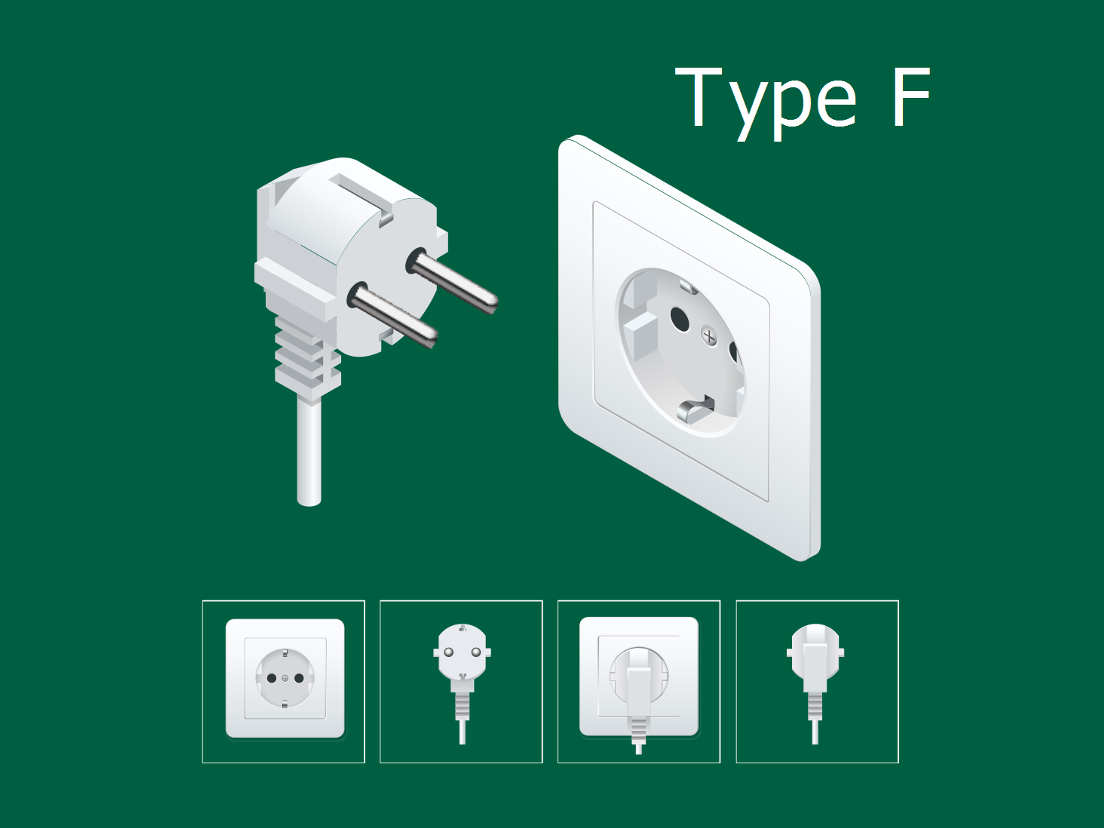
If you're coming from the UK, the US, or anywhere that doesn’t use Europlug-compatible devices, you’ll need an adapter.
Our best tip? A universal adapter will be your loyal travel companion! It’ll save you the hassle, especially if you're hopping between countries with different plug types. You can easily find one online or at the airport, but it’s always cheaper to grab one before your trip.
So, before you pack, double-check your chargers and adapters—because no one wants a dead phone when you’re trying to snap that perfect paella pic! 📸🍽️
Do I need a Visa?
That depends on your nationality! Spain has visa-free agreements with over 100 countries, including the EU, UK, US, Canada, and Australia, allowing short stays of up to 90 days in a 180-day period. If you're planning a longer stay, you'll likely need a visa.
To check the exact visa requirements for your country, visit the official Spanish government website:
👉 Spain Travel & Visa Information
Always double-check before booking—better safe than sorry! ✈️😊
travel insurance
While travel insurance isn’t mandatory for most visitors, it’s definitely highly recommended!
Here’s why:
✔️ For EU/EEA travelers → If you have a European Health Insurance Card (EHIC), you’ll get access to public healthcare in Spain. But it won’t cover private care or things like medical repatriation.
✔️ For non-EU travelers → If you need medical attention, you’ll have to pay out of pocket unless you have travel insurance. Some Schengen visa applicants are also required to show proof of insurance with at least €30,000 coverage.
💡 Pro tip: A good travel insurance policy covers medical emergencies, lost luggage, trip cancellations, and more. So while it’s not a must, it’s definitely a smart idea! 😉