




Basque Country in 7 days: The ultimate travel guide & itinerary
Visiting the Basque Country in 7 days will take you through a stunning region where dramatic coastlines, lush green hills, and charming villages blend seamlessly to create a breathtaking landscape. From the rugged cliffs of San Juan de Gaztelugatxe to the vibrant cities of Bilbao and San Sebastián, every stop along the way offers a perfect mix of culture, history, and world-class cuisine, making this journey an unforgettable experience.
In this carefully planned 7-day Basque Country itinerary, we have included the most remarkable places to visit, starting in Bilbao and continuing through picturesque destinations like the stunning cliffs of Zumaia and the charming fishing village of Hondarribia, not without forgetting the lively city of San Sebastián.
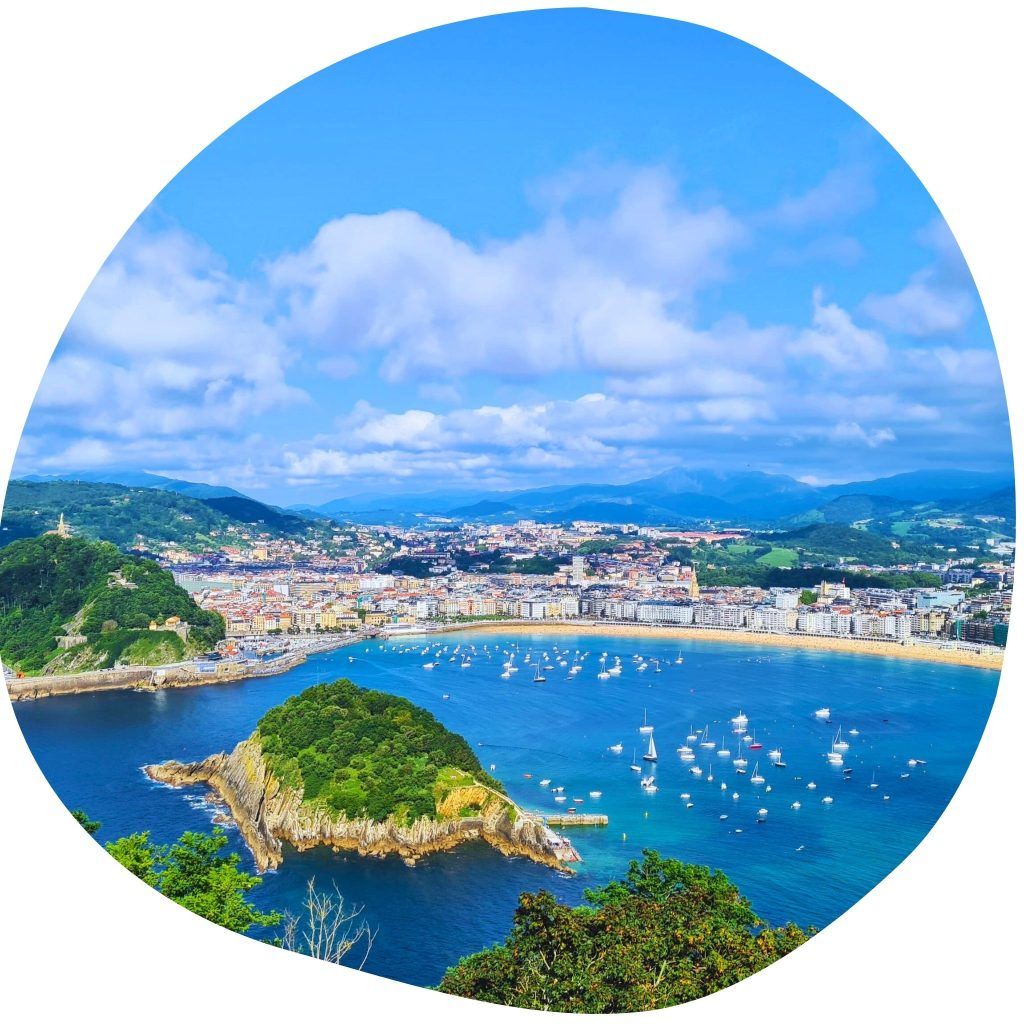
Table of contents

best time to visit
The Basque Country enjoys a mild climate, with pleasant summers and mild winters, making it a great destination year-round.
The only unpredictable factor is the rain, due to its geographical location, rainfall is frequent, especially between November and January.
For a mix of good weather, fewer crowds, and cultural experiences, May, June, and September are the top choices!
👀 Did you know?
Euskera (or Basque) is one of the oldest languages in Europe — and it’s not related to any other known language! Linguists call it a language isolate, meaning it has no known relatives. It’s been spoken in the region for thousands of years, long before Latin, Spanish, or French arrived.
Even more interesting? Despite centuries of influence from surrounding cultures, Euskera has survived — and is still actively spoken today. I (Sandra) actually did all my education in Basque! Road signs, schools, and even pintxo bars often use both Spanish and Euskera, so don’t be surprised if you spot words like ongi etorri (welcome) or eskerrik asko (thank you) around the region.
how to get around
Renting a car is the most convenient way to fully explore the Basque Country, particularly if you want to visit more remote areas. While Bilbao boasts an excellent public transport system, allowing you to easily get around on your first day without a car, this might not be enough for the rest of your trip.
That said, although the Basque Country has a well-connected transportation network, getting to more isolated destinations like the Urdaibai Reserve or small fishing villages without a car can be both tricky and time-consuming. Therefore, if you’re planning to explore beyond the cities, renting a car provides you with the freedom and flexibility to discover everything at your own pace!

Where to sleep
To make your trip smoother, it’s a good idea to minimize hotel changes by selecting two main bases. Since the Basque Country is small and well connected, you can easily spend your first night in Bilbao and then stay in San Sebastián for the rest of your trip. By doing this, you’ll be able to explore the region at a relaxed pace, without the hassle of constantly packing and unpacking.

day 1 - Bilbao
Bilbao, for the locals “Bilbo” is a super lively city in northern Spain, where modern vibes meet deep Basque traditions. From lively neighborhoods to charming markets, this city has a lot to offer.
San Anton & Mercado de la Ribera
Start your day at San Antón Bridge, an easy landmark to begin your walk. Cross it, and you’ll get a great view of San Antón Church before heading to your next stop: Mercado de la Ribera.
Built in the 14th century and renovated several times (most recently in 2010), this 1,700-square-meter market is the perfect place to wander around and familiarise yourself with Basque produce—and trust me, we have tons of it!
There’s also an area where you can grab some pintxos, but I’d save some space—once you venture into the Old Town, you’ll be spoiled for choice, and I can guarantee you won’t be hungry! After all, the Basque Country is famous for its world-class food scene, and you’re about to see why.
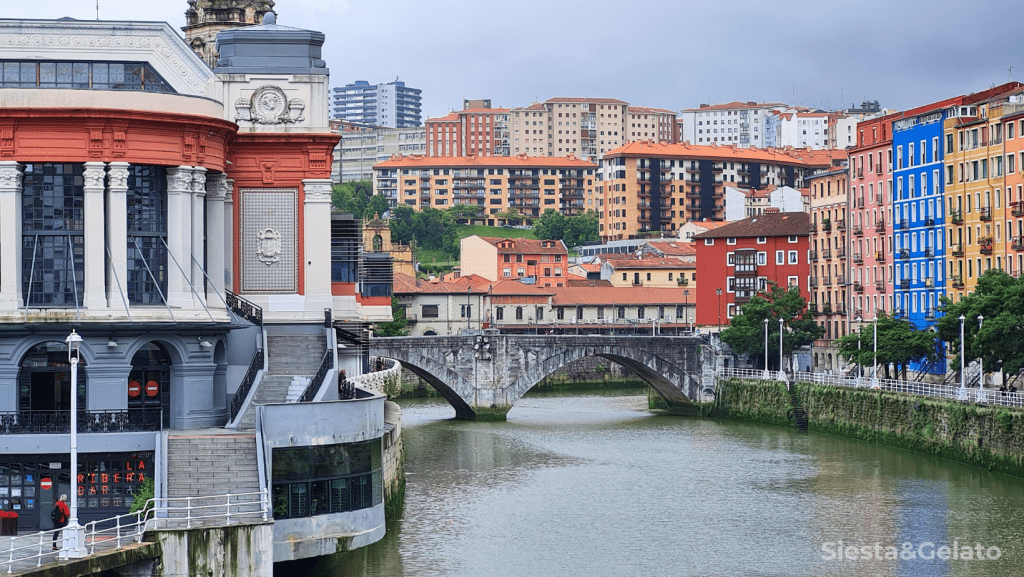
Also famous in the area—and maybe a spot to return to in the evening or at sunset for one last vermouth—is Muelle Marzana, a lively riverside hangout. Here, bars like Marzana and Perro Chico keep the atmosphere buzzing, serving up their signature Marianito.
But for now, it’s time to head into Bilbao’s Old Town for a nice stroll and your well-earned vermouth and lunch!
Casco Viejo (Old Town)
Here, we’ll give you some highlights, as there’s no set order to explore them. The best way to experience Casco Viejo is to wander freely, get a little lost, and enjoy some people-watching.
That said, a great place to start is Plaza Miguel de Unamuno—in our opinion, the most photogenic square in the Old Town! 😊 Other highlights are:
– Plaza Nueva – A lively square surrounded by arcades, perfect for grabbing a drink or some pintxos.
– Catedral de Santiago – The heart of Bilbao’s Old Town, this stunning Gothic cathedral dates back to the 14th century.
– Las Siete Calles (The Seven Streets) – The historic core of Bilbao, each with its own story. If you want to discover them all, booking a free tour of the city it’s a great idea.

And lastly, Portal de Zamudio – One of the few remaining medieval gates of the city, once part of Bilbao’s defensive walls. A great spot to imagine what the Old Town looked like centuries ago!
No matter which route you take, getting lost in these streets is part of the charm!
A Sip of Tradition: The Marianito Preparado Cocktail
If you really want to dive into local culture, ask for a Marianito when you’re at a pintxos bar. This traditional Basque cocktail has the following ingredients:
🍷 Vermouth
🍊 Orange Juice
🍸 Gin (or rum as a variation)
🍹 Campari
💧 Angostura
The recipe may vary depending on the bar, so you can try a few although we can’t guarantee you won’t end trying to speak Basque with the bar’s regulars!
Guggenheim Museum
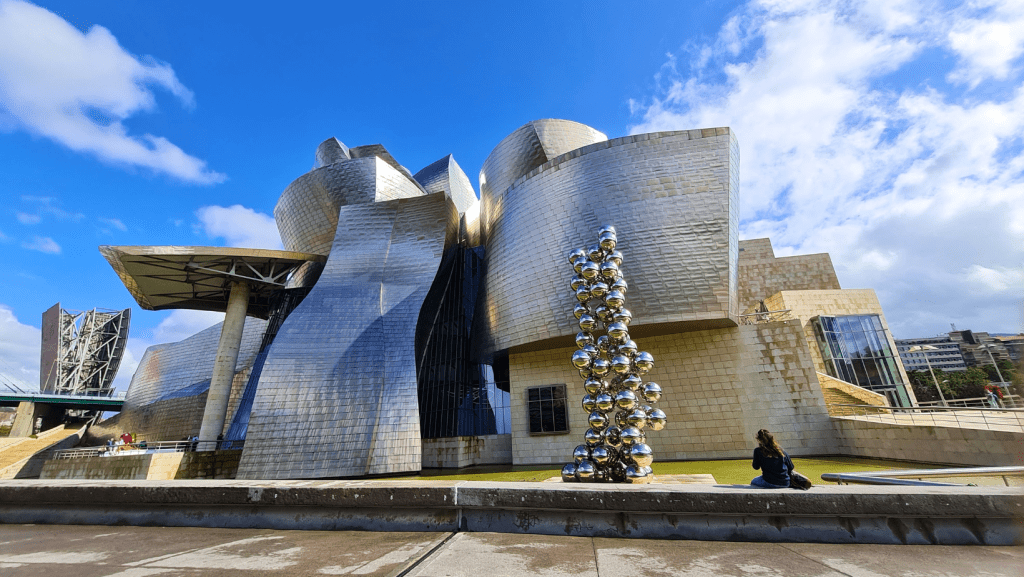
Finish your Basque Bilbao adventure (if you have time and haven’t entertained yourself too much in the old part!) with a visit to the iconic Guggenheim Museum in Bilbao.
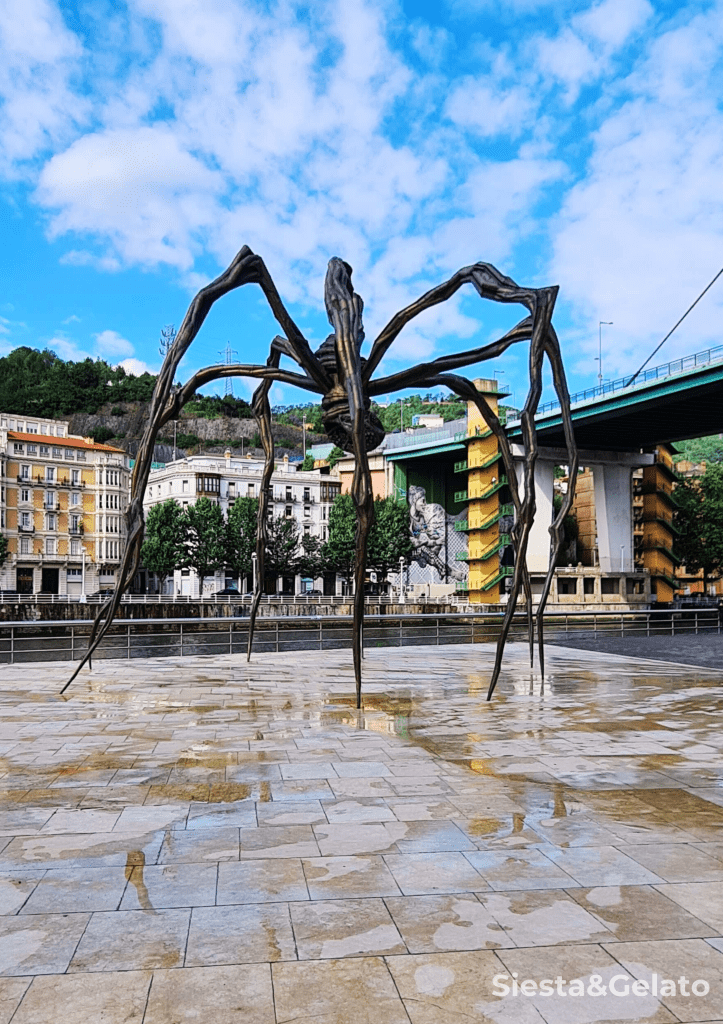
Even before stepping inside, you’ll be amazed by its striking architecture, designed by Frank Gehry—a true masterpiece of contemporary design. But it’s not just about the museum itself—the sculptures surrounding it, like the famous Puppy (Jeff Koons) and Maman (Louise Bourgeois), make the whole experience even more special.
The average time to spend in the museum is around 2 hours.
🕘 Opening Hours:
📅 Daily: 10:00 AM – 7:00 PM
🚪 Closed on Monday
(Time may vary depending on the period of the year. Check the website for more accurate information.)
🎟️Admission: 15€ (approx. $16)
📌 Where to Buy: You can purchase tickets at the entrance or book them online in advance.

Day 2: Urdaibai Biosphere Reserve and Coastal Villages
Start your day with a 45-minute drive into the mountains to reach the small village of Akorda. This is the perfect spot to park your car, and head to the Urdaibai Biosphere Reserve viewpoint!
Urdaibai Biosphere Reserve
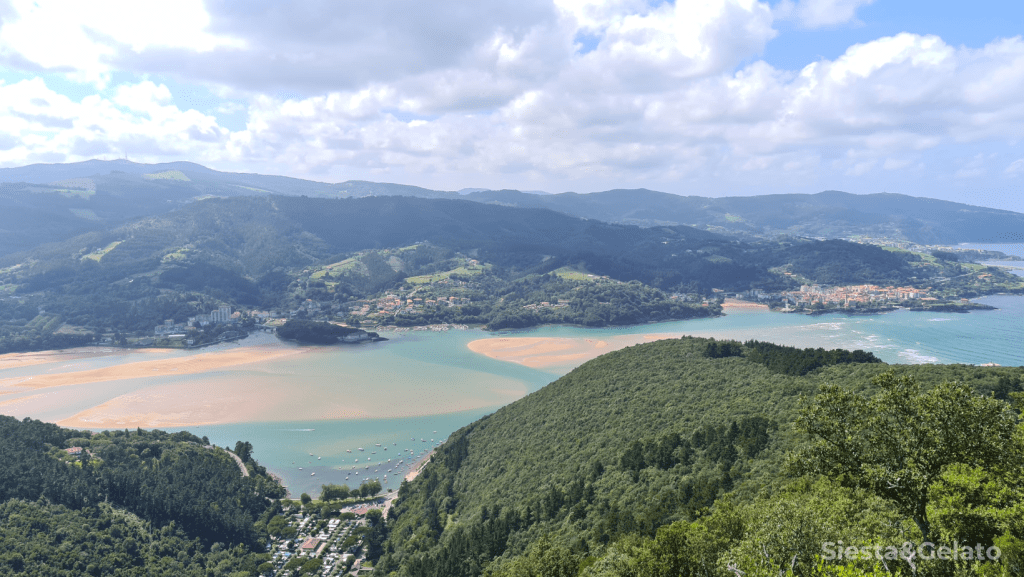
Urdaibai is an extraordinarily beautiful and diverse natural area, which is why it was declared a UNESCO Biosphere Reserve in 1984. At its heart lies the estuary of the Oka River, which creates spectacular, life-filled marshlands that support a variety of wildlife. The landscape changes dramatically with the tides, revealing sandbanks and hidden channels at low tide, while at high tide, it transforms into a vast expanse of water, offering a stunning contrast.
To fully take in this breathtaking landscape, make your way to San Pedro Atxarre, a stunning viewpoint with panoramic views over the Urdaibai Biosphere Reserve.
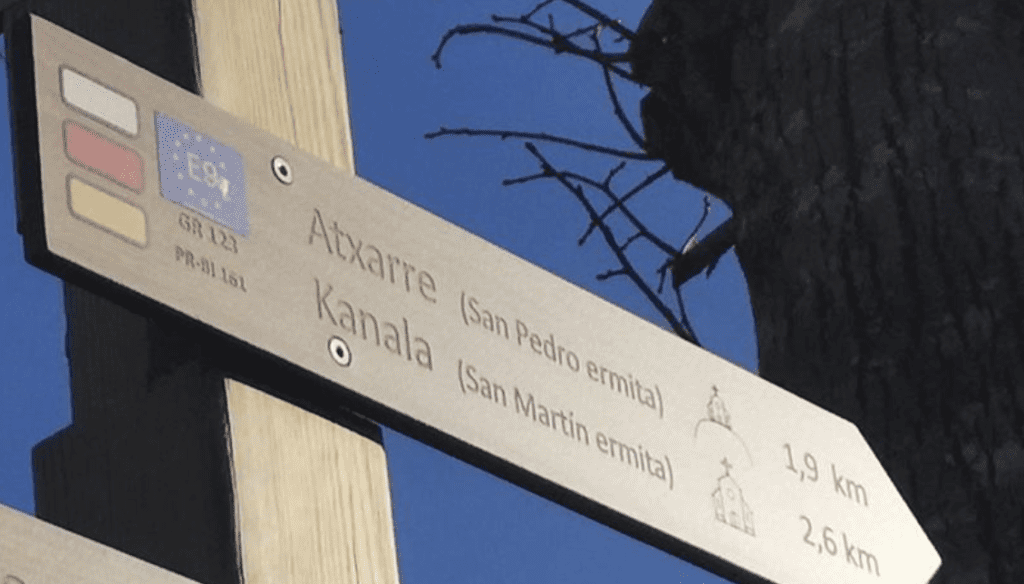
Park in front of Taberna Akorda. Walk back along the road until you see Atxarre ermita pathaway signs (red, yellow and white signals). From there, enjoy a peaceful 30 minute – 1 hour walk (depending on your trekking rythm) through a lush forest, leading you to the San Pedro Atxarre Hermitage. At the top, you’ll be rewarded with breathtaking views stretching over the entire biosphere reserve.
After your hike, set off to explore two charming fishing villages along the Bizkaian coast. These villages are small and close together, making it easy to visit all of them in just half a day.
★ Tip: Pitstop in Laga Beach
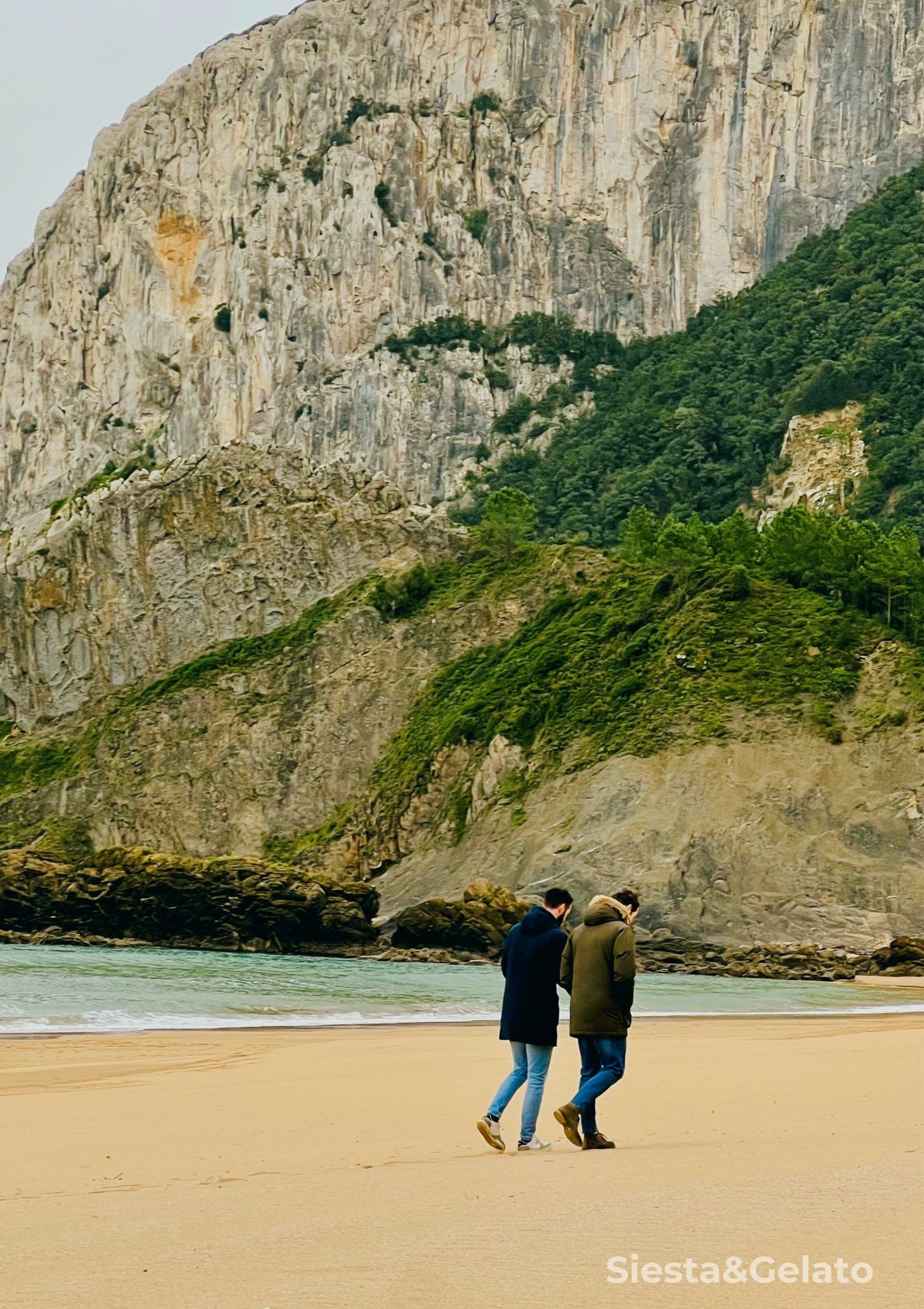
On your way to the first village (Elantxobe), make a stop at Laga Beach. This beach is breathtakingly beautiful, both for its landscape and its atmosphere. If you’re visiting in summer, take the opportunity for a refreshing dip, or simply sit back and watch the surfers in action. Even outside of summer, the beach remains just as stunning.
During the summer months, Laga Beach is fully serviced, offering toilets, showers, and kayak or surf rentals.
Parking can be tricky in summer as the parking spaces tend to fill up quickly!
Fisherman Villages
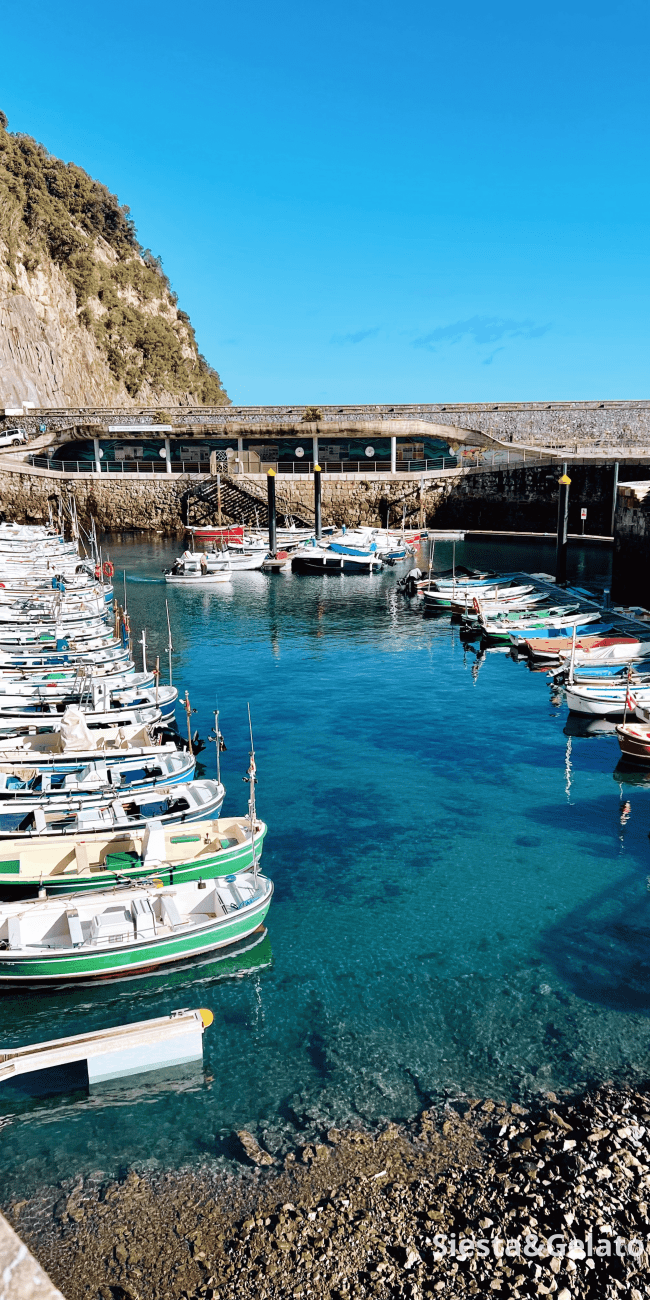
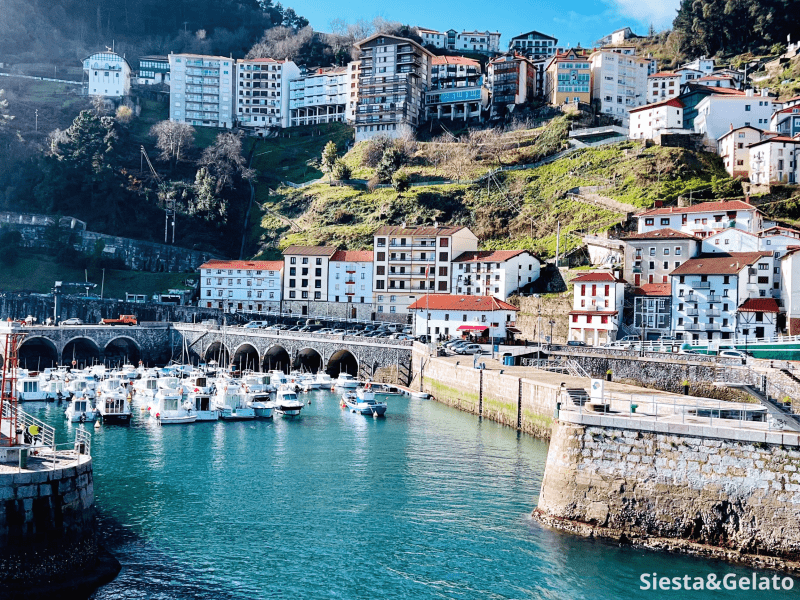
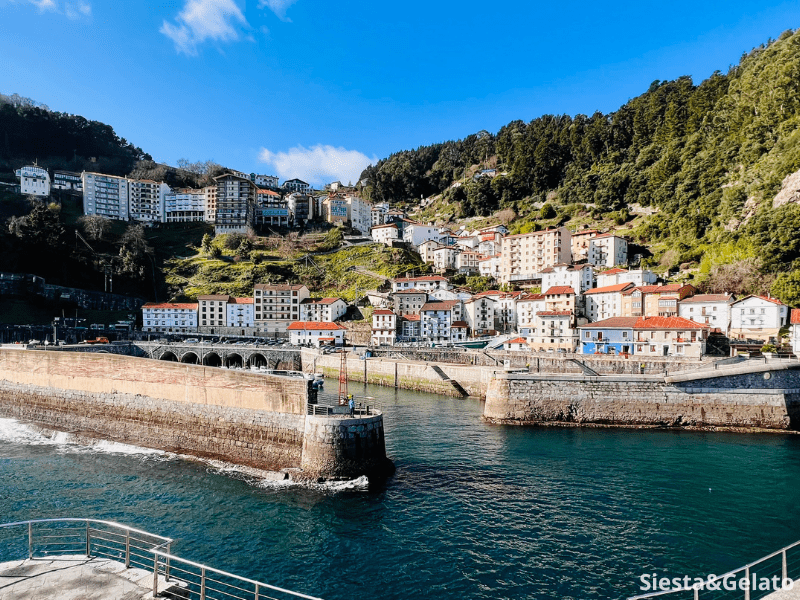
Your first stop is the village of Elantxobe. The Ogoño headland, once used as a lookout for spotting whales, acts as a natural shelter, creating a protected port that attracted several fishing communities to live here.
Take your time exploring the village by wandering through its cobbled streets and climbing up to higher points for stunning sea views, especially on sunny days. It’s easy to imagine what life was like here centuries ago, with fishermen working in these waters.
For a well-deserved break, stop by Bar Santi, located in the port, and enjoy a refreshing cider or beer before continuing your journey.
Make your way to Ea as your next stop and experience a more rural side of the Basque Country. The main highlights here are the Roman bridges, the council house, the small port area, and the beach. If you’re up for a short walk, head to Ermita Talako Ama, a small church with stunning sea views. And if you’re visiting in summer, this is also a great spot for a quick dip!
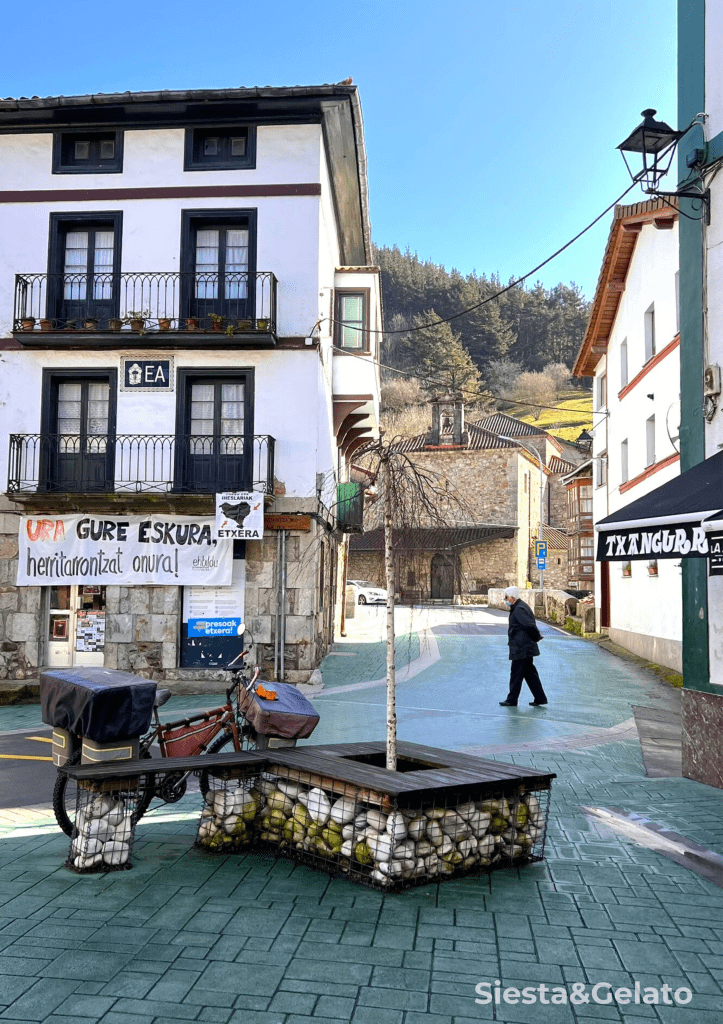
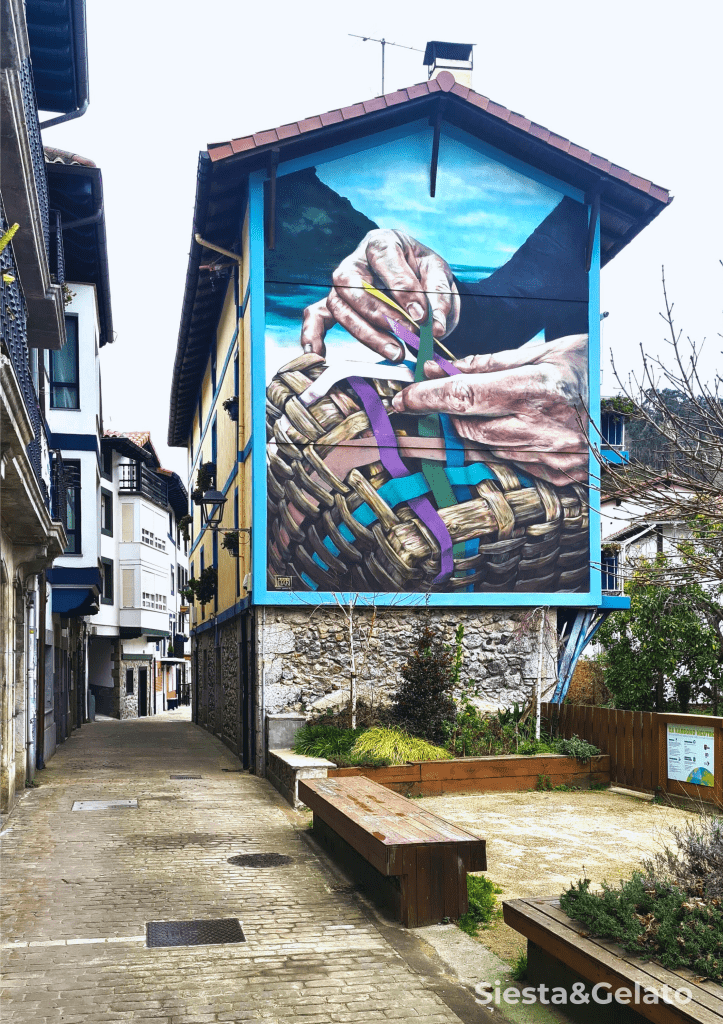
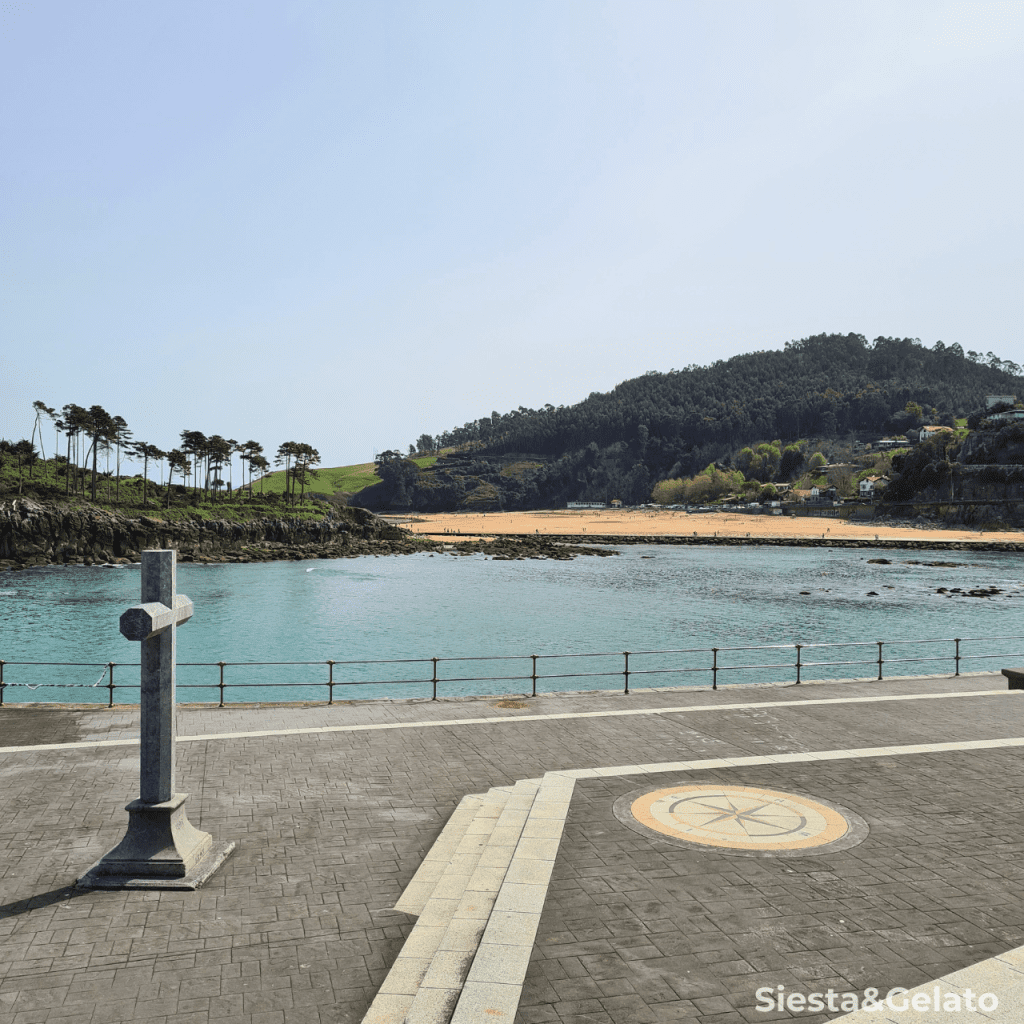
End the day by heading to Lekeitio, which makes for a great overnight base. Depending on how much time, you have left, take a quick stroll through the town to get a feel for its charm, or simply settle in and save exploring for the next morning.
Day 3: Lekeitio & Zumaia
Lekeitio
If you had time to explore Lekeitio yesterday, you can head straight to Zumaia. If not, take the morning to wander through Lekeitio’s Old Town, where you can admire the colorful fishermen’s houses and visit the Basilica de la Asunción. Don’t miss San Nicolás Island—just remember, you can only walk across at low tide!
🌊 Tides in the Basque Country – Don’t Get Caught Off Guard!
If you’re used to Mediterranean beaches, tides in the Basque Country might take you by surprise! Here, entire beaches disappear at high tide, and the difference between low and high tide can completely change your beach experience.
Locals always check tide times before heading out—nobody wants to come back from a swim only to find their towel and umbrella swept away! To stay ahead, download iPlaya (iOS, Android) or Tumarea (iOS), two of the best apps for real-time tide updates.
zumaia
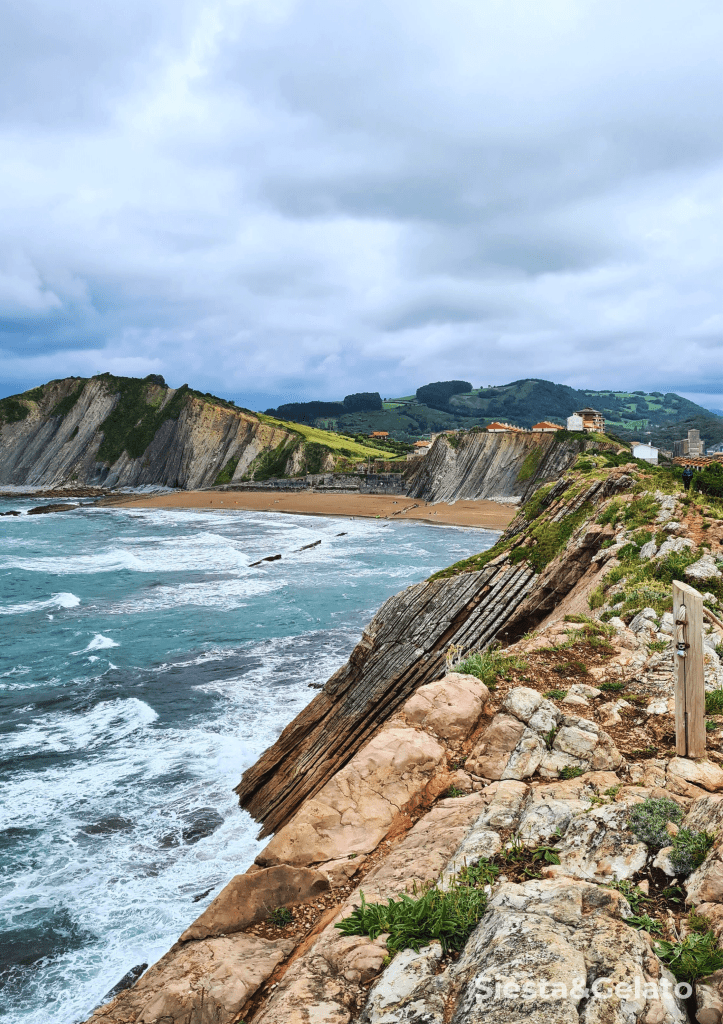
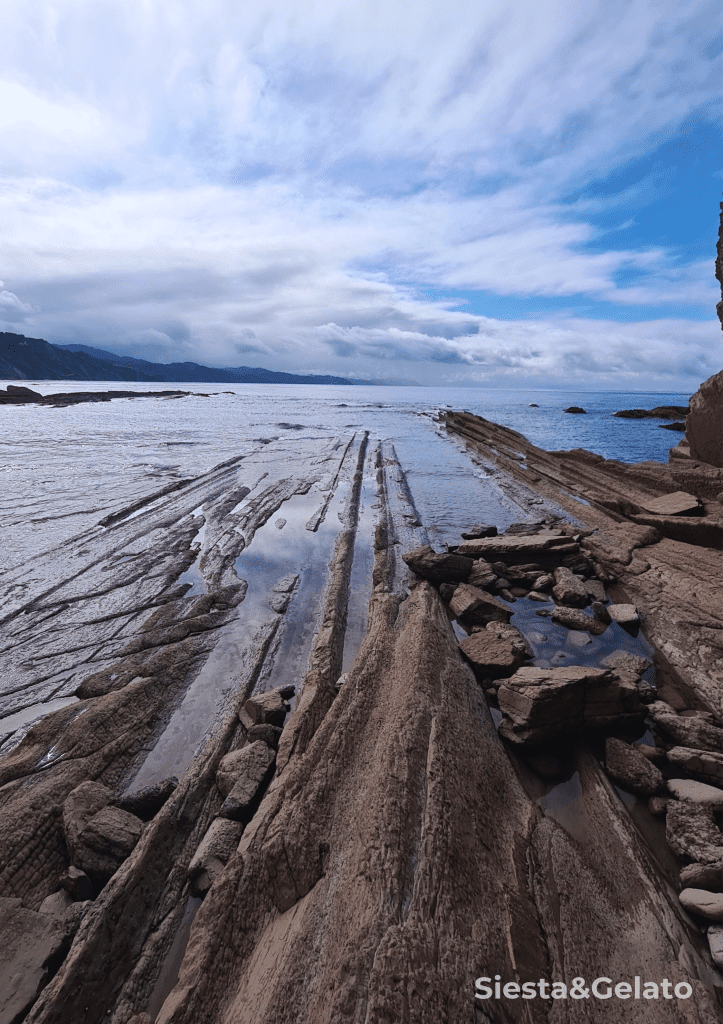
Head to Zumaia in the afternoon, where you’ll be blown away by the epic Flysch Coast! If you’re a Game of Thrones fan, this is a must-visit—it’s where Daenerys made her return to Westeros in Season 7. Regardless of the TV reference, it’s a geological marvel and a UNESCO World Heritage Site.
Take a hike up to Ermita San Telmo (coordinates here), then descend to the Algorri Viewpoint to soak in the stunning cliffside views. After your walk, head back into town to visit Itzurun Beach—grab a coffee, have a bite to eat, or just relax before you make your way to your next stop: San Sebastián.

Day 4: San sebastian
San Sebastián isn’t huge, but you’ll need at least two days to truly soak it all in.
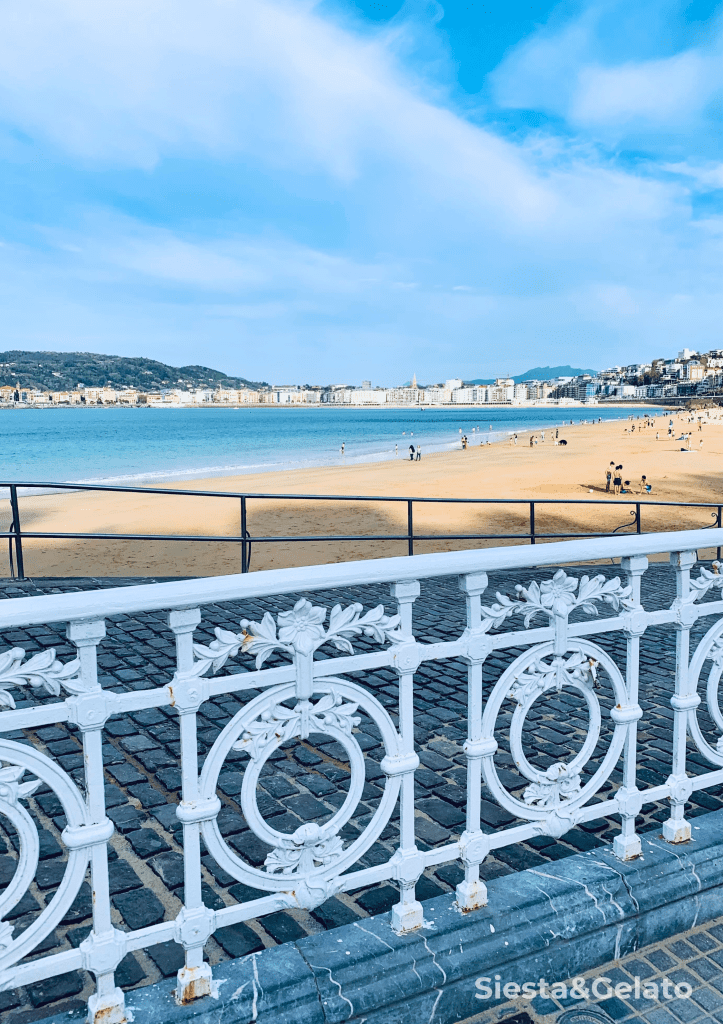
This Basque gem has it all—golden beaches, world-class food, and a buzzing atmosphere. From the iconic La Concha Bay to the lively pintxos bars of the Old Town (Parte Vieja), every corner has something special.
You’ll love it here—I mean, we’re not just saying that because Sandra is from here… but maybe yes! 😏

Public transport is very efficient, but parking can be expensive. We recommend leaving your car at your accommodation and exploring the city on foot or by public transport.
Monte Igueldo Amusement Park
I know what you’re thinking—Why visit an amusement park when there’s so much else to see in the city? But hear us out!
Monte Igueldo Amusement Park isn’t just any amusement park—it’s been around since 1912, and many of its attractions have remained unchanged since then. It’s a mix of nostalgia and charm, with classic rides and one of the best panoramic views of the entire city.
You have two ways to get there:
> Drive up the hill and park in the designated area.
> Take the funicular railway from Ondarreta Beach—also in operation since 1912!
We highly recommend the second option for the full experience.

🕘 Opening Hours:
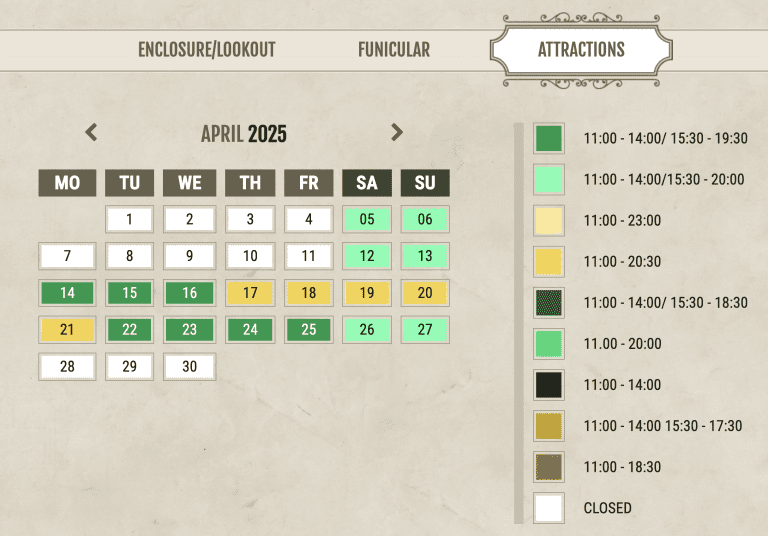
Be careful when planning your visit to Monte Igueldo and choosing the day to go, as the attractions have different opening times every month! The funicular railway and the viewpoint also have different opening times—help! 😅 Check the official website to see the exact schedules and plan accordingly.
As a general rule of thumb, if attractions are open, so is the rest so check attractions time on the website for the month you’re visiting (image below).
🎟️ Admission: €2.50 (approx. $2.70)
🚠 Funicular (round trip): €4.75 (approx. $5.10)
📌 Where to Buy: Tickets are available only at the entrance.
If you’ve chosen the second option for your return, once you step off the funicular, take in the sea view and head to the left. Stroll along the coastline until the seaside path comes to an end. That’s where you’ll find the Peine del Viento, one of San Sebastián’s most iconic landmarks. Chillida’s striking sculptures seem to challenge the power of the sea. I could spend hours watching it—every time feels different, as the sea is never the same!

La Parte Vieja (the Old Town)
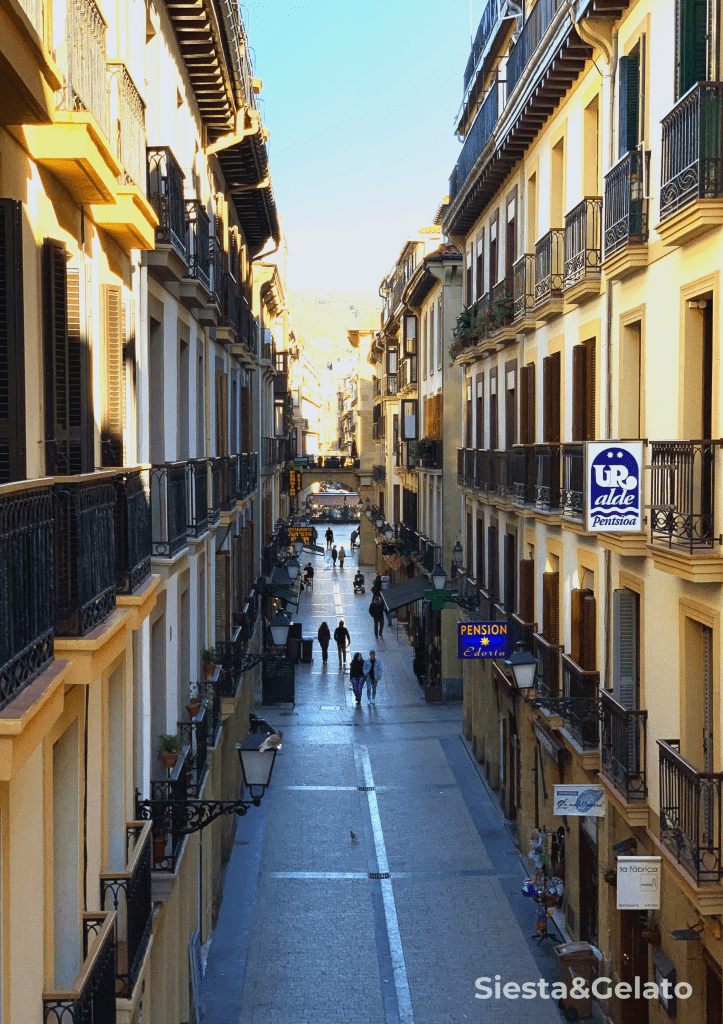
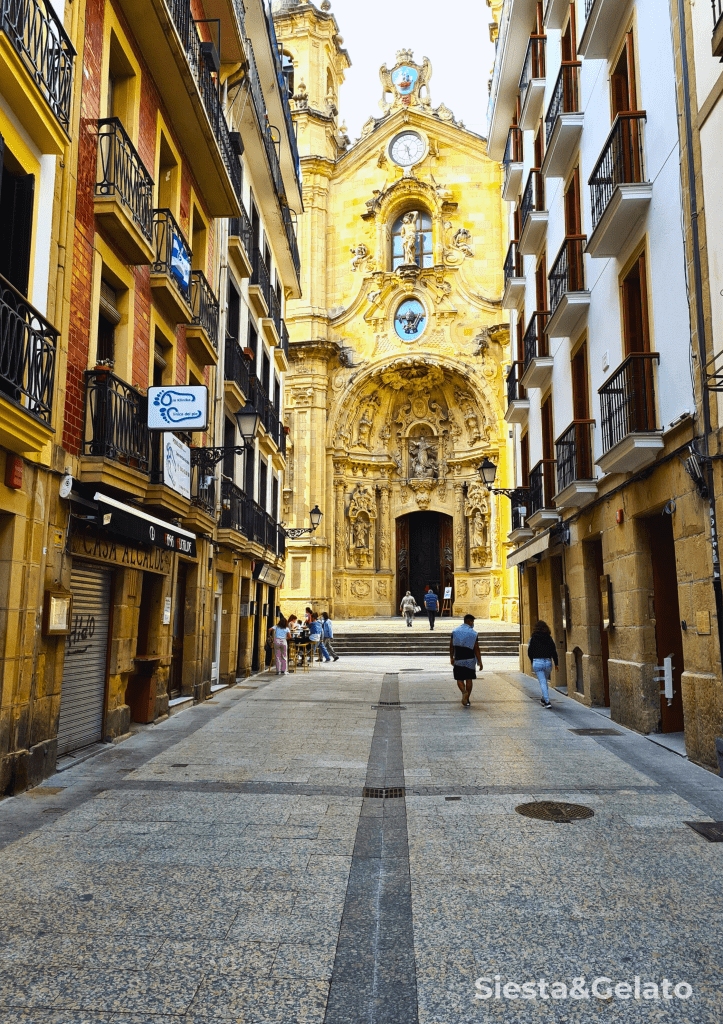
After you’ve had your fill of rides and explored el Peine, make your way to Parte Vieja (the Old Part of the City) for lunch. You can either walk along the beach promenade, soaking in the views of the bay, or catch a bus that’ll take you straight there. Once you’re in the Old Town, enjoy lunch by hopping from bar to bar, taking in the lively streets and soaking up the atmosphere.
For lunch, we highly recommend trying a variety of pintxos (the Basque version of tapas) at different spots to experience Basque cuisine at its best. You can either pick from the pintxos on display or ask for those listed on the blackboards, which are made fresh.
La Concha Bay
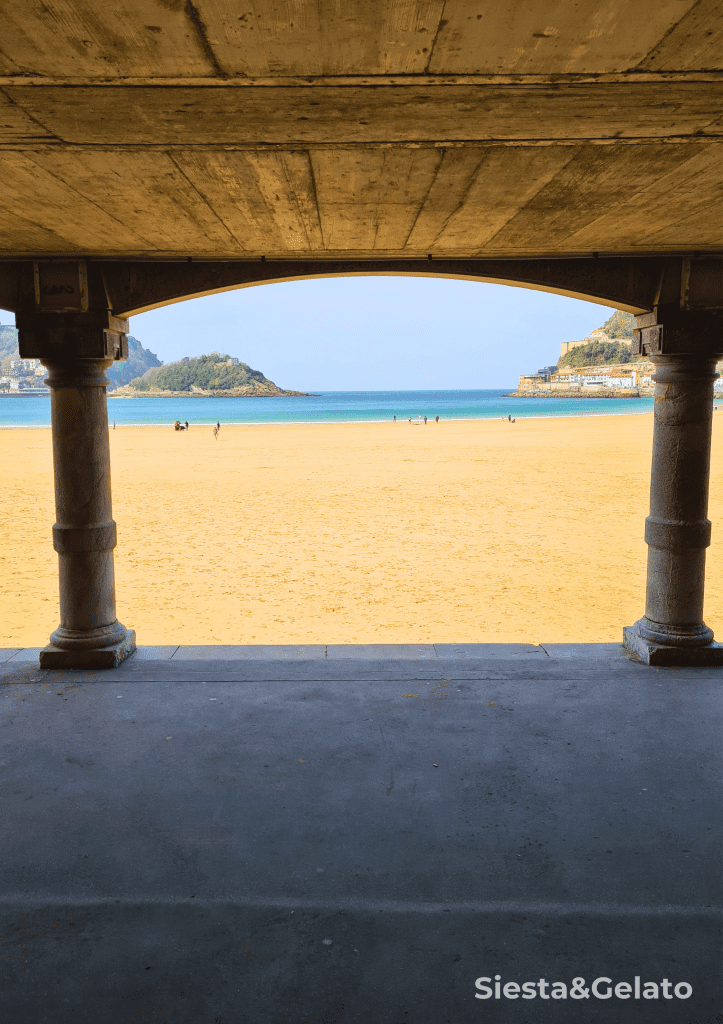
After lunch and a bit of wandering, why not head to Kontxa Beach for a little siesta (wink wink)? You can also just admire the beach from the promenade and explore the other nearby highlights. We find the Council Building to be especially beautiful (one an old casino). If you’re with kids, treat them to a ride on the Parisian-style Belle Époque carousel (a replica of the original from 1900). As you can see, this city looks like it’s straight out of a postcard!

mount Urgull
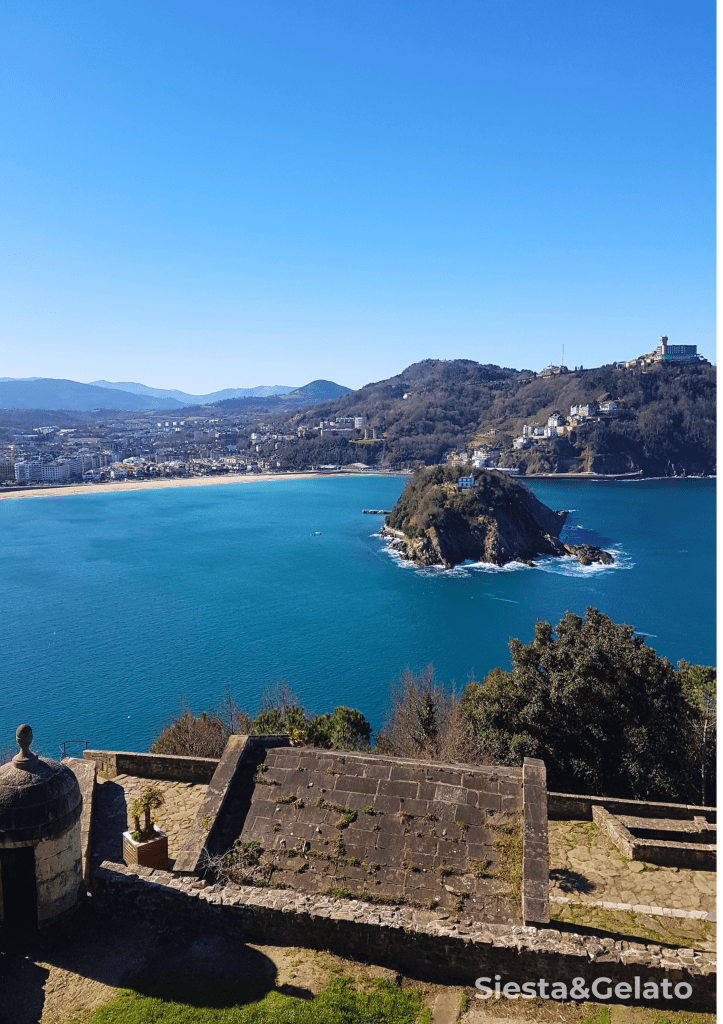
After you’ve had some time to relax on the beach or on one of the benches, make your way up to Monte Urgull. This scenic hill offers superb views of San Sebastián.
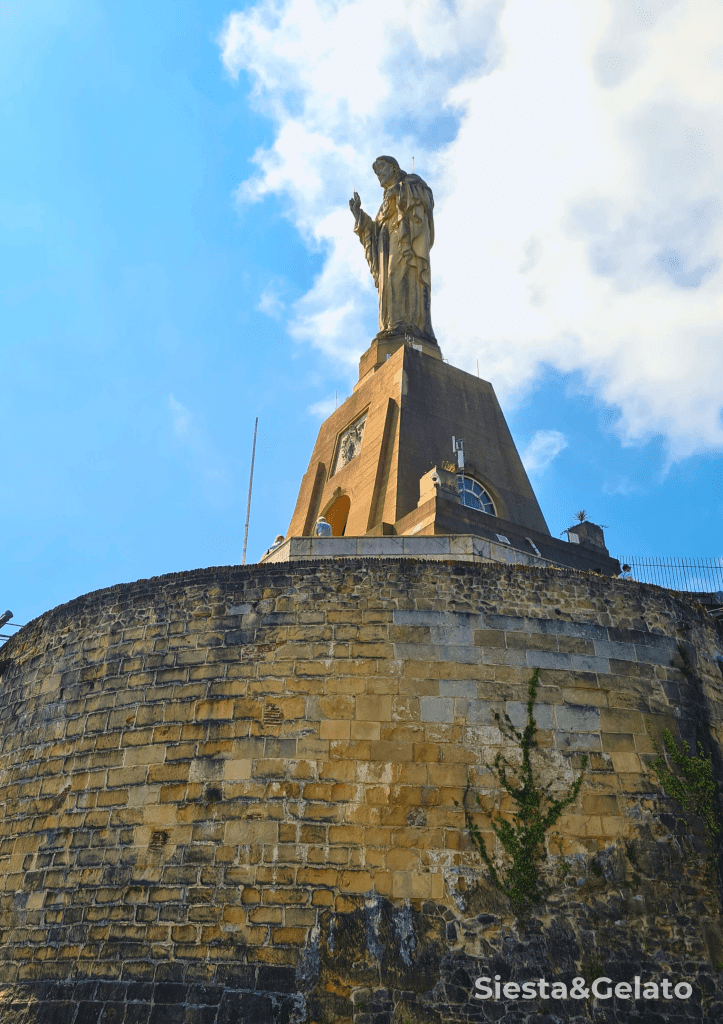
Wander through its paths, gardens, and monuments. Make your way to the top to discover Castillo de la Mota, a medieval fortress that once protected the city. And be sure to check out the Sacred Heart statue, towering over the bay.
Finish your day with a stop at Urgulleko Polboriña for a refreshing drink and stunning views—definitely a must-try!
Day 5: San sebastian
Today, make your way through the city’s main landmarks on foot. Even though you’ll walk quite a bit, every step will take you to amazing spots along the way. Below, you’ll find a map of this incredible walk.
Start your day with a visit to The Buen Pastor. Its soaring neo-Gothic spire makes it a standout landmark. Step inside to admire the massive stained-glass windows, which cast vibrant light across the interior. The peaceful atmosphere here offers a nice escape from the city’s buzz.

About a block away, you’ll reach San Martin Market, a historic site dating back to 1884. While the building has been modernized, it still hosts a traditional market, along with a supermarket, shops, and cafés.
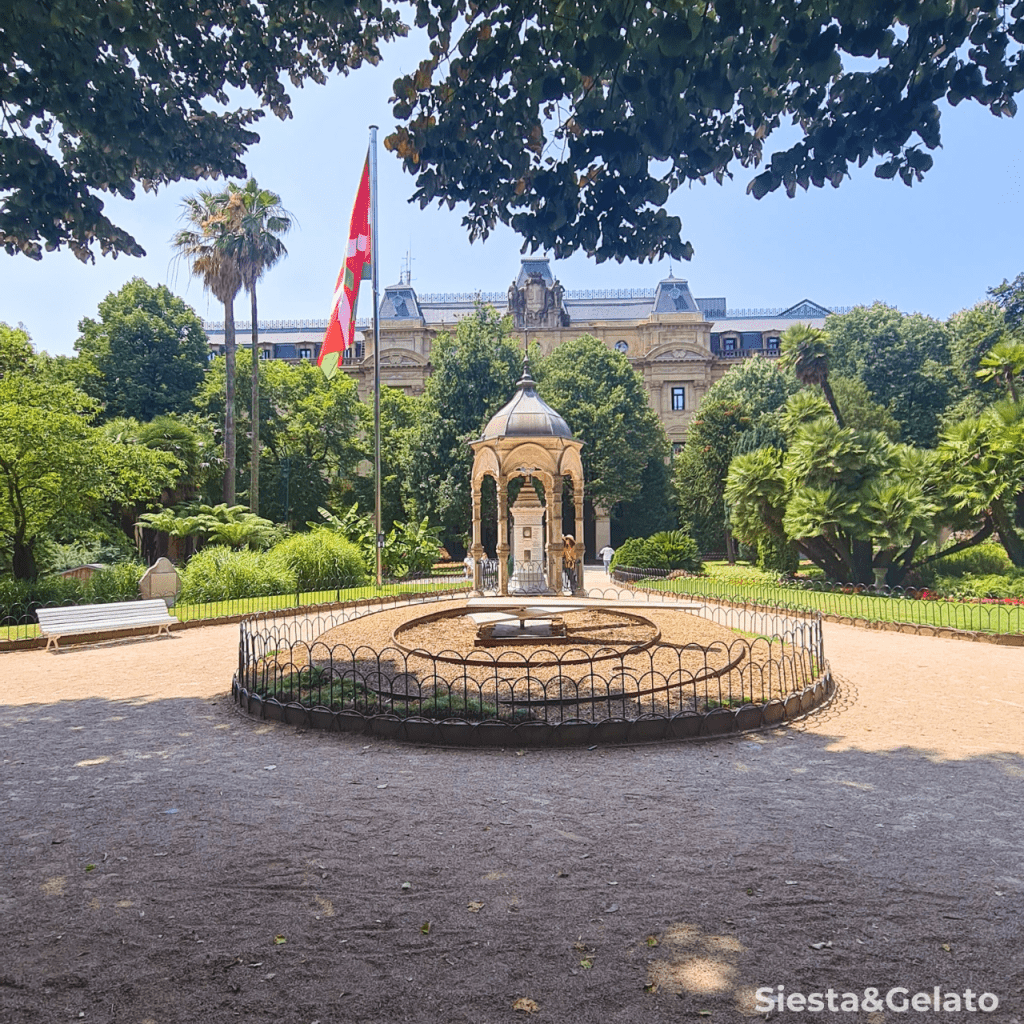
Next, walk two more blocks and turn left toward the peaceful garden oasis of Gipuzkoa Square. This spot blends a square and a park, filled with lush trees, vibrant flowers, and a pond home to ducks and swans. A charming small wooden and iron bridge crosses over to a lily pond, adding to the serene atmosphere.
From here, head to the port and take a stroll along Paseo Nuevo, a seaside path offering stunning views. This walk stretches from the port all the way to Zurriola Beach, circling around Mount Urgull along the way.
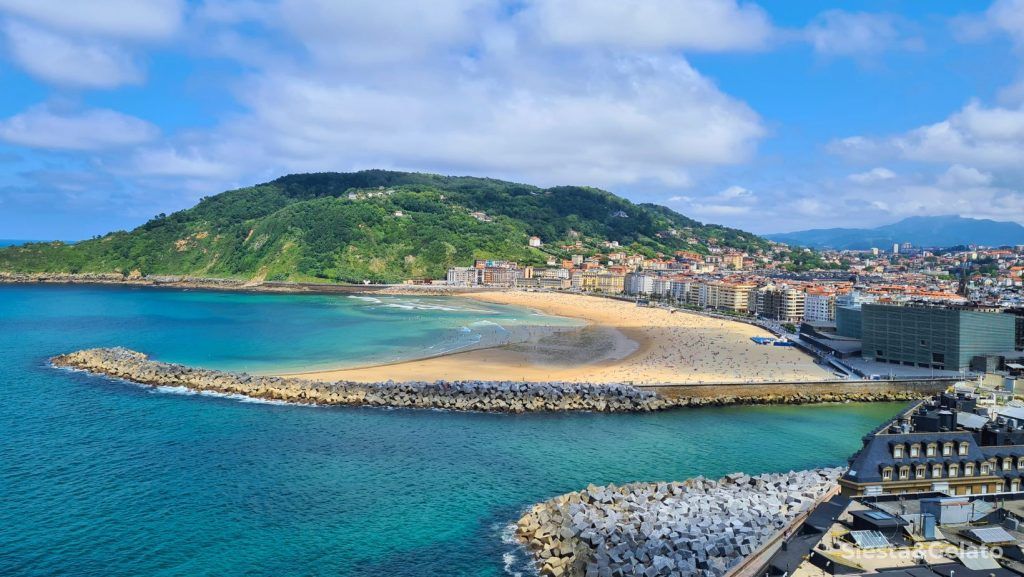
The first thing you’ll spot before reaching Zurriola Beach is The Kursaal, a stunning modern complex right on the seafront. Its twin translucent cubes are home to concerts, events, and all sorts of cultural activities.
Zurriola beach
Cross the bridge and, before heading to Zuriola Beach, take a moment to walk south along the Urumea River. Soon, you’ll find yourself standing in front of two of the most beautiful buildings in San Sebastián.
First, you’ll see the Victoria Eugenia Theatre and the Hotel María Cristina. These iconic buildings played a key role in establishing San Sebastián as a major tourist destination in the early 20th century.
After lunch in the vicinities, make your way to Zurriola Beach, the city’s surf hub. With its laid-back vibe, it’s perfect for volleyball, surfing or just relaxing.
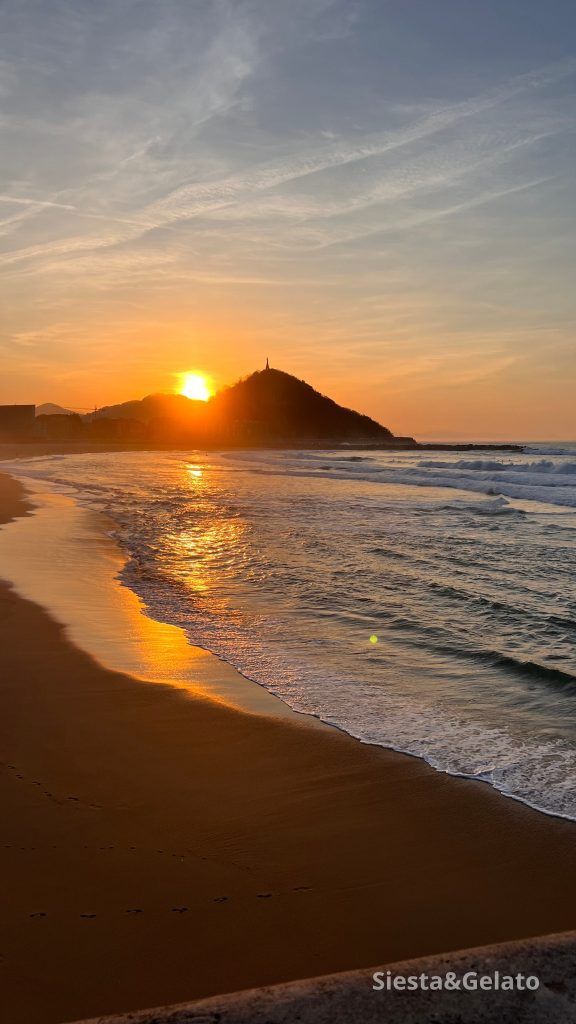
Head to the eastern end of the beach for epic sunsets and a lively evening scene.
Before heading out, grab a pintxo of tortilla at Adamo Beach Bar, probably the best in San Sebastián!
Day 6: Hondarribia & San Juan de Luz
Start your day with a 25-30 minute drive to the picturesque town of Hondarribia.
Hondarribi
Park right in front of the Alameda Restaurant, just by Puerta de Santa María, the main entrance to this historic walled city.
As you stroll through the old town, you’ll spot charming houses with wooden balconies and stunning Baroque architecture at every turn.
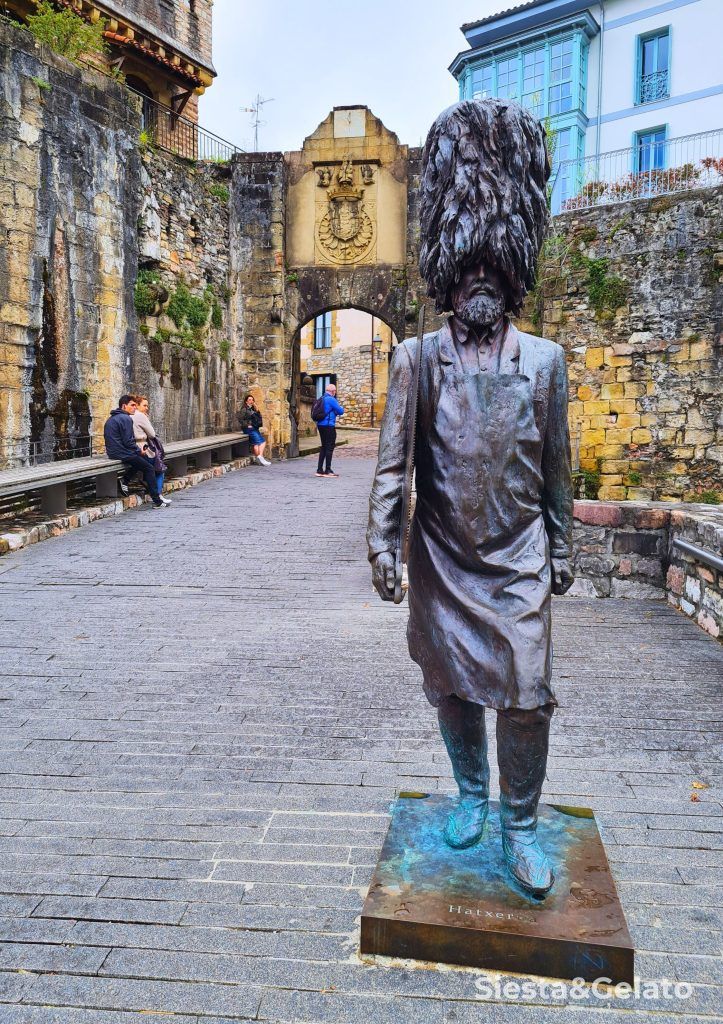
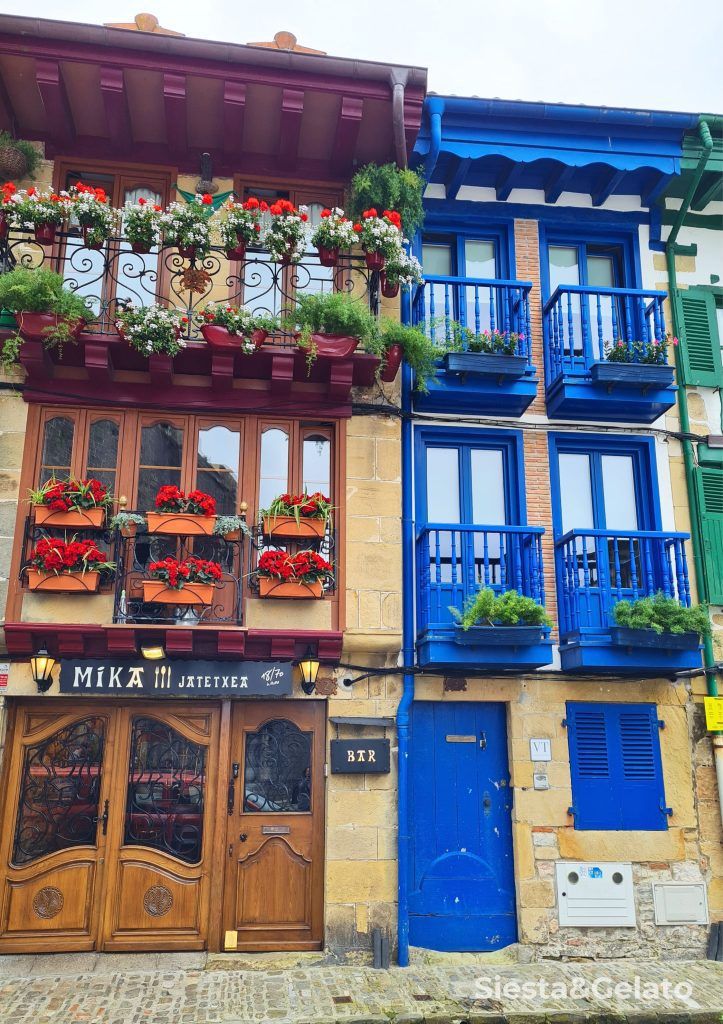
Make your way to Plaza de Armas, where you’ll find Carlos V Castle, with its imposing stone walls, turrets, and arched windows. Today, it serves as a Parador de Turismo hotel, and you can step inside for a peek at its historic interior.
In the same square, don’t miss the Gothic church of Nuestra Señora de la Asunción y del Manzano, built over an ancient Roman temple. As you continue toward Calle San Nicolás, you’ll notice the architecture gradually shift, revealing more traditional Basque townhouses.
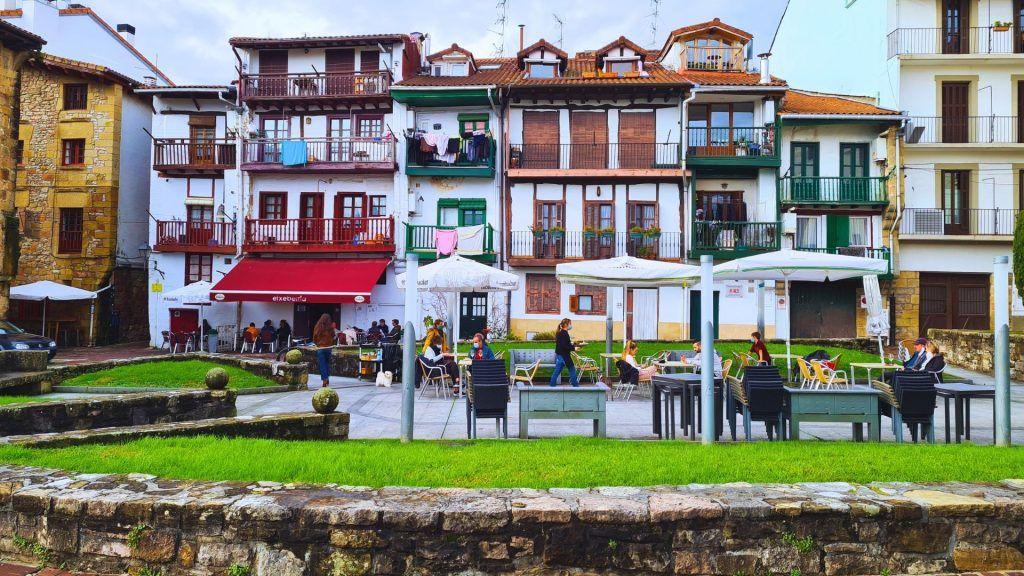
Next, make your way to Calle San Pedro, the heart of the lively Marina fishing neighborhood. This pedestrian street is lined with some of the best bars and restaurants in town. It’s the perfect spot for lunch, with old fish markets and former fishermen’s huts now boasting colorful façades and flower-filled balconies.
After lunch, follow the scenic marine walk toward the breakwater, where the path eventually leads you to the beach.
From here, take a 30-minute drive across the border into France, where you’ll arrive in Saint-Jean-de-Luz, a charming coastal town once infamous for piracy.
San Juan de luz
Start your walk in the Old Town, a charming maze of streets centered around Louis XIV Square. Here, you’ll find the Town Hall, lively terraces, and the House of Louis XIV, built in 1643 by a wealthy shipowner—step inside for a glimpse of 17th-century life.
From the square, head down Rue Léon Gambetta to the Church of Saint John the Baptist, where Louis XIV married Infanta Maria Teresa, marking the end of France and Spain’s long conflicts. The exterior is modest, but the Baroque interior is worthy.
Next, follow the seaside promenade, lined with colorful wooden houses and grand historic hotels, including the iconic Grand Hotel, a great spot for a coffee or beer.
Before heading back, make a final stop at the vibrant port, the perfect way to wrap up your visit!

Day 7: Gaztelugatxe & Departure
Yes, it’s the last day—but the adventure isn’t over yet!
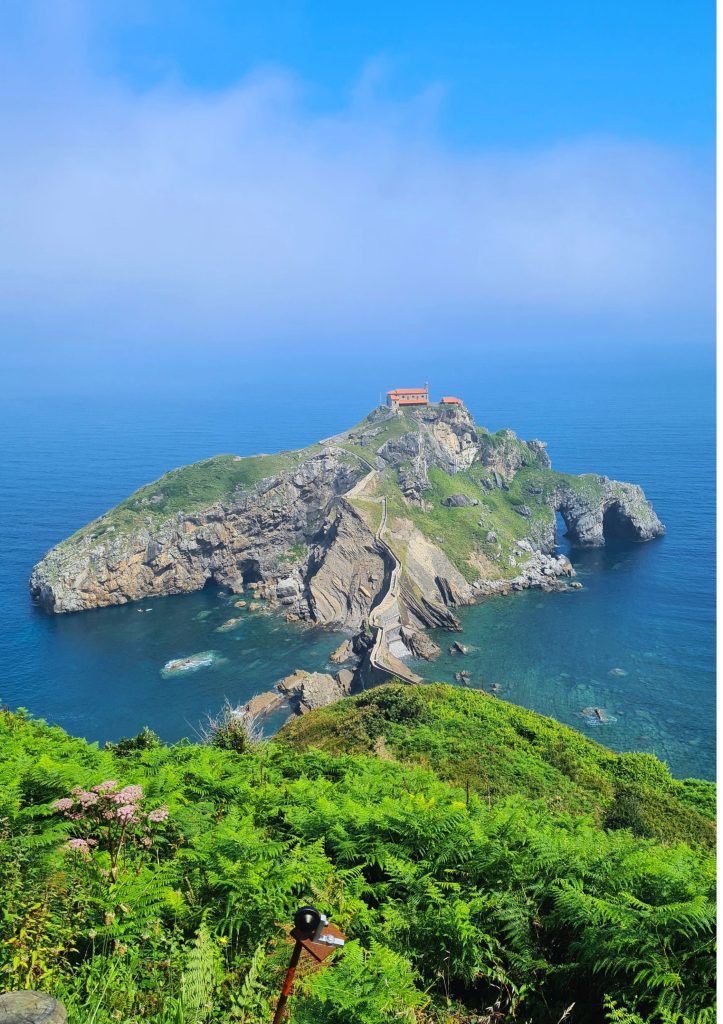
On the way to Bilbao Airport, take a detour to Gaztelugatxe, a must-see on the Basque coast.
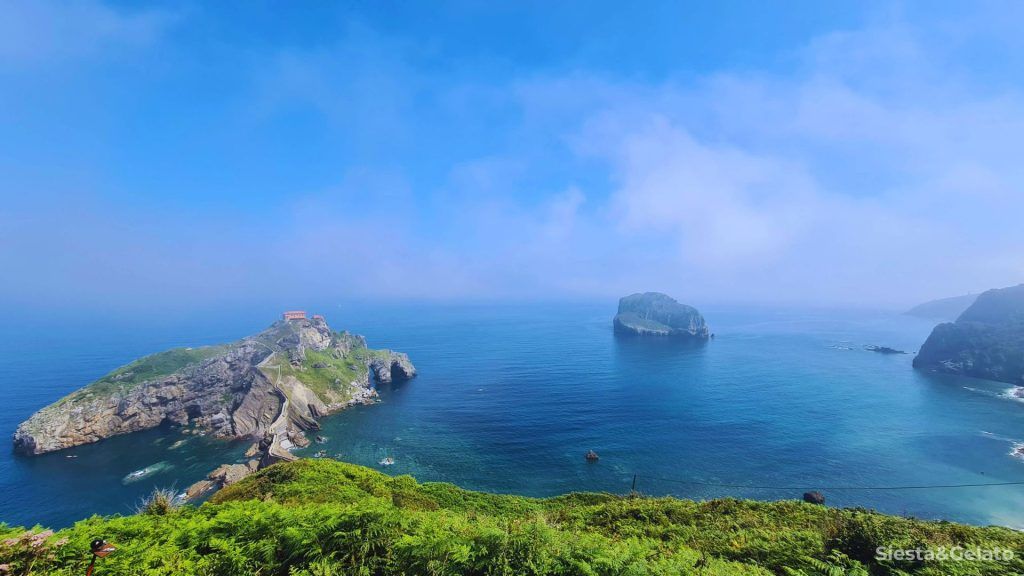
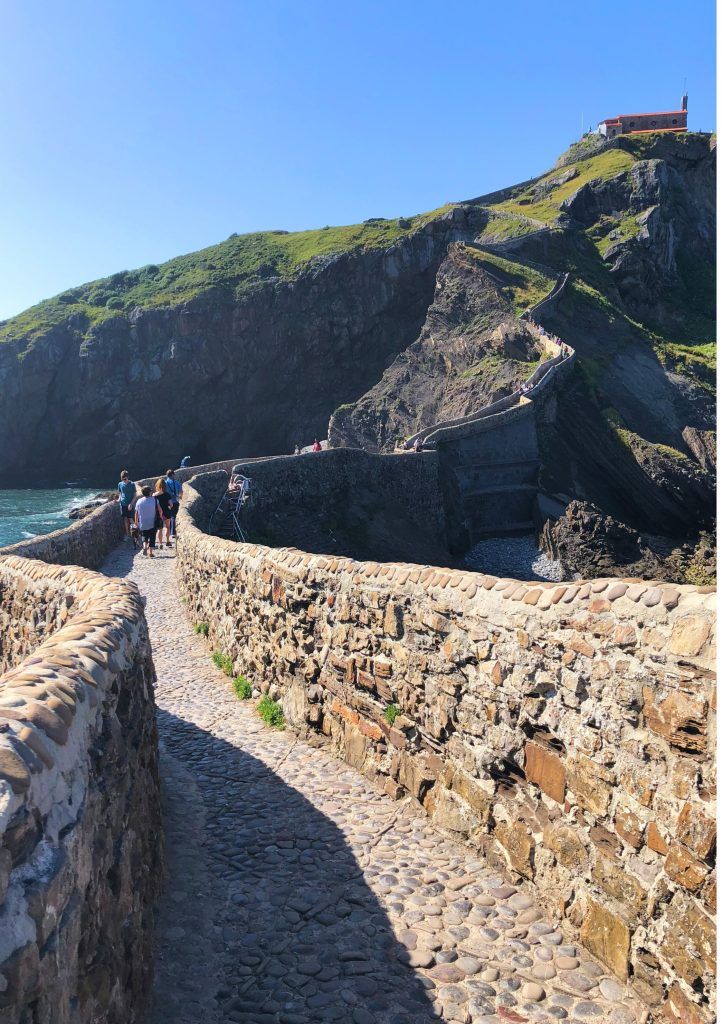
This dramatic islet, linked to the mainland by an ancient stone bridge, looks straight out of a fantasy—no wonder it was chosen as Dragonstone in Game of Thrones!
The 241-step climb to the chapel of San Juan is no joke, but trust us—the breathtaking views make every step worth it.

The hike to Gaztelugatxe is not recommended for people with health problems or with limited mobility.
Hike duration: Even if you take the shorter route, you need at least 1.5 hours for a visit to Gaztelugatxe: about 30 minutes to hike to the chapel (+5-10 minutes detour to the viewpoint), 10 minutes at the top, and 40 minutes to walk back.
If you don’t have time for the hike, you can enjoy the view from Mirador San Juan (only a 10-minute walk) or from Restaurant Galerna (right next to the entrance).
🚨 Important! Entry is free, but visitor numbers are limited. On certain days (usually in summer), you must book a time slot online—no booking, no entry (unless you’re on a guided tour). Tickets sell out fast, so check the official website in advance to see if a ticket is needed for the day you visit!
check other destinations in Europe