



The official language spoken in Italy is Italian. However, there are also several regional languages and dialects, such as Sicilian, Neapolitan, Venetian, and Tuscan, among others.
In tourist areas, many people speak English, especially in hotels, restaurants, and popular attractions.
Italy is a safe country for travelers, it has a low violent crime rate, and visits are trouble-free.
That said, like in any tourist destination, pickpocketing can be an issue in crowded areas especially in big cities and on public transport.
For any emegency you'll need to dial 112.
So, is Italy safe? Absolutely. Just relax, stay aware, and make the most of your trip!
Let’s talk plugs! In Italy, we use Type L power plugs, which have three round prongs and Type F (the standard European two-round-pin plug) he standard voltage is 230 V at a frequency of 50 Hz.
If you're coming from the UK, the US, or anywhere that doesn’t use Europlug-compatible devices, you’ll need an adapter.
Our best tip? A universal adapter will be your loyal travel companion! It’ll save you the hassle, especially if you're hopping between countries with different plug types. You can easily find one online or at the airport, but it’s always cheaper to grab one before your trip.
That depends on your nationality! Citizens of EU/EEA countries, Switzerland and Non-EU citizens from Schengen Area countries do not need a visa for stays of any length.
If you're from a visa-exempt country like the U.S., Canada, Australia, or Japan, you can stay in Italy and other Schengen countries for up to 90 days within a 180-day period for tourism, business, or family visits.
If you're from a country that requires a visa, you'll need to apply for a Schengen visa for stays of up to 90 days.
To check the exact visa requirements for your country, visit the official Italian government website:
👉 Italy Travel & Visa Informationpain Travel
Always double-check before booking—better safe than sorry! ✈️😊
While travel insurance isn’t mandatory for most visitors, it’s definitely highly recommended!
Here’s why:
✔️ For EU/EEA travelers → If you have a European Health Insurance Card (EHIC), you’ll get access to public healthcare in Italy, but it won’t cover private care or things like medical repatriation.
✔️ For non-EU travelers → If you need medical attention, you’ll have to pay out of pocket unless you have travel insurance.
💡 Pro tip: A good travel insurance policy covers medical emergencies, lost luggage, trip cancellations, and more.
So while it’s not a must, it’s definitely a smart idea!
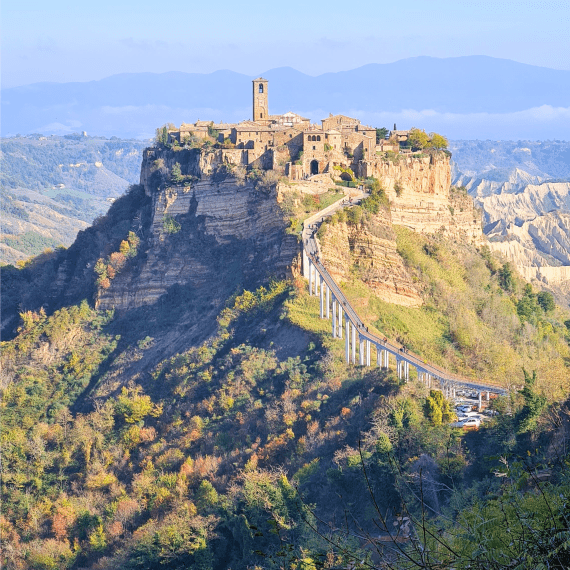
Italy, more than just pasta and pizza, is a country full of history, culture, and jaw-dropping scenery.
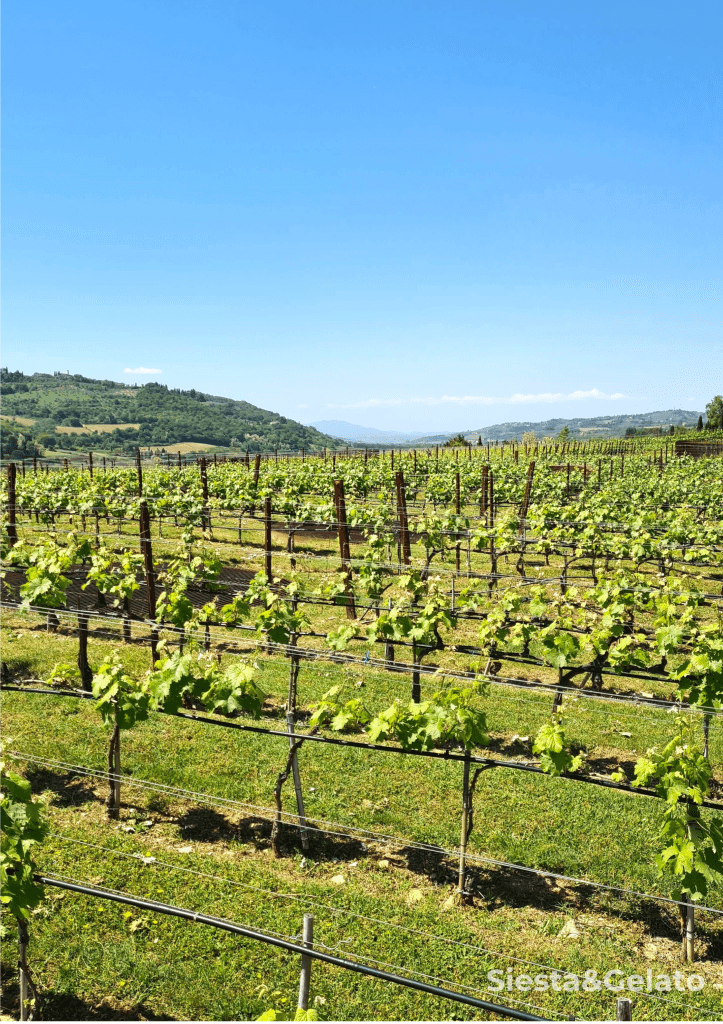
From the canals of Venice to the ruins of Rome, there’s no shortage of incredible sights to see, you can wander through the vineyards of Tuscany, relax by the crystal-clear waters in Sicily or explore the beautiful lakes in the north.
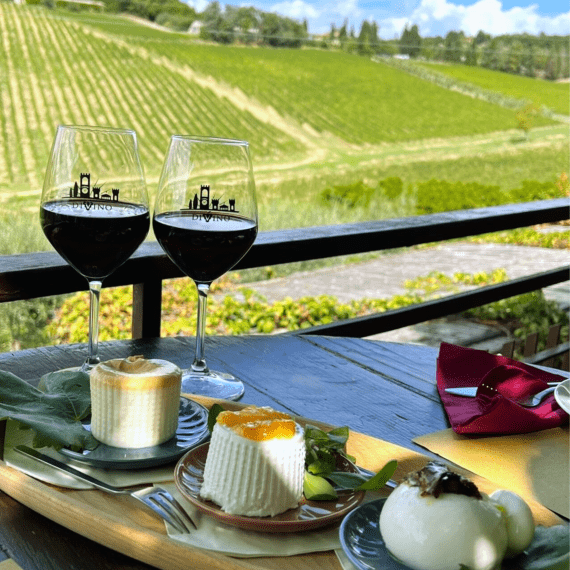
The food is next level, with amazing dishes beyond just pasta and pizza, including fresh seafood and delicious gelato.
Whether you’re hiking in the Dolomites or soaking up the art in Florence, Italy has something for everyone.
Prepare to discover a country that you’ll never forget!
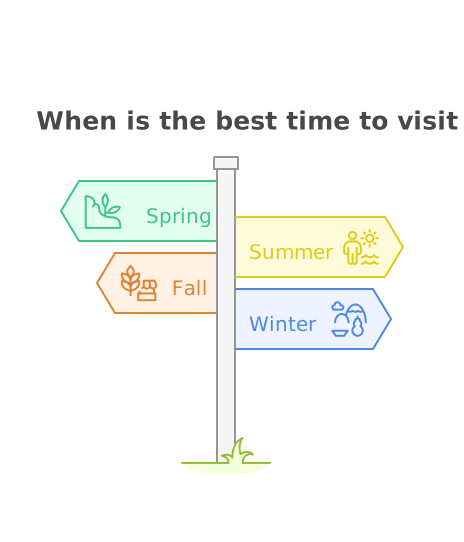
The best time to visit Italy depends on what you’re looking for, but generally, spring (March to May) and fall (September to November) are considered the ideal times.
Spring (March to May) The weather’s super pleasant, with temps between 15°C and 25°C (59°F to 77°F), making it perfect for exploring both cities and the countryside, the flowers are in full bloom, and the landscapes are looking lush, adding to the charm of everything.
Plus, spring is way less crowded than the summer, so you’ll have a much more relaxed time at the top tourist spots.
Autumn (September to November) Autumn is another awesome time to visit Italy, especially in September and October.
The weather’s still nice, with temps between 15°C and 25°C (59°F to 77°F), and the summer crowds start to thin out, it’s also harvest season, so you’ll find plenty of wine tastings, food festivals, a, plus, the fall colors make everything look even more stunning, especially in places like Tuscany.
Winter (December to February) Winter in Italy is magical, especially during the holidays.
Temps can dip to around 0°C to 10°C (32°F to 50°F), but cities light up with Christmas decorations, and festive markets pop up everywhere.
It’s also the best time for skiing in the Dolomites.
Summer (June to August) While June is still fine , I would avoid to visit Italy in July and August, Summer is peak tourist season in Italy, especially in popular destinations like Rome, Florence, and Venice, the weather is warm and humid only ideal for beachgoers, with temperatures often exceeding 35°C (86°F), the crowds can be overwhelming.


Getting around Italy mainly depends on what you’re planning to visit.
Public transport:
Trains are the easiest and most scenic way to travel between cities, with high-speed options like Frecciarossa and Italo connecting major spots like Rome, Florence, Milan, and Venice.
By train, you can also reach some of the small towns (not available in Sicily).
Drive:
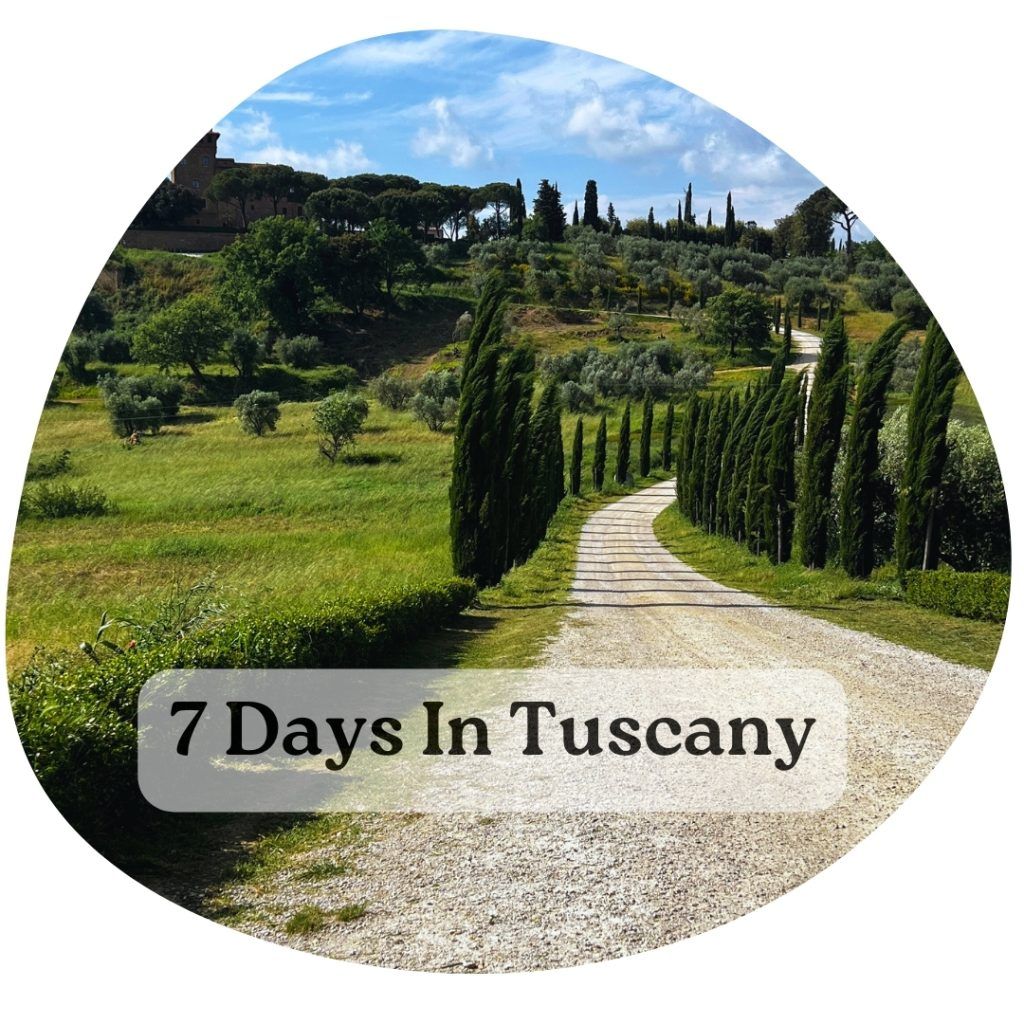
Driving would be the best option if you’re planning to explore smaller towns or the countryside (like Tuscany), a rental car is a great option.
Driving in the big cities can be tricky as parking can be a challenge (and expensive), also be mindful of ZTL zones (restricted traffic areas) in city centers.
you might need an International Driving Permit (IDP) depending on your nationality.
EU/EEA drivers can use their regular license, while travelers from countries like the U.S., Canada, and Australia ,can usually drive without an Driving Permit (IDP) if their license is in the Roman alphabet.
If your driving license is in another script (like Cyrillic or Arabic), an IDP is recommended, however it’s a good idea to check with the car rental company.