




Discover Japan with us
How to communicate?
English is not widely spoken in Japan, except in major tourist areas.
In cities like Tokyo and Osaka, English speakers can be found in hotels, airports, and attractions.
However, most locals have limited proficiency.
Public transportation signs, menus, and tourist information are often available in English.
Is Japan safe?
Yes, Japan is one of the safest countries in the world.
Crime rates are low, and violent crime is rare, even in big cities like Tokyo and Osaka.
Public transportation is secure, and it's common to see people leaving belongings unattended without concern.
Power plug
In Japan, you’ll need a Type A or Type B plug.
Type A has two flat pins, while Type B has two flat pins plus a grounding pin.
If you're coming from Europe or other regions using different plugs, you may need an adapter.
Do I need a Visa?
Visitors from more than 65 countries, including EU, UK, USA, Canada, and Australia, can enter Japan visa-free for up to 90 days.
Make sure to check your entry requirements in advance
Do I need an insurance?
Grabbing travel insurance for your Japan trip is a smart move, it’s like a safety net for lost bags, medical surprises, or that sushi adventure gone wrong.
About Japan
Japan is a fascinating blend of ancient traditions and modern innovation, offering travelers a unique cultural experience.
From the historic temples of Kyoto to the futuristic skyline of Tokyo, every corner of the country tells a story.
Its rich cuisine, from sushi to ramen, delights food lovers, while natural wonders like Mount Fuji and cherry blossom season captivate visitors.
Efficient transportation, including the famous Shinkansen bullet trains, makes exploring easy and convenient.
Whether you're seeking history, nature, or urban adventures, Japan has something for everyone.
Best Time to Visit Japan
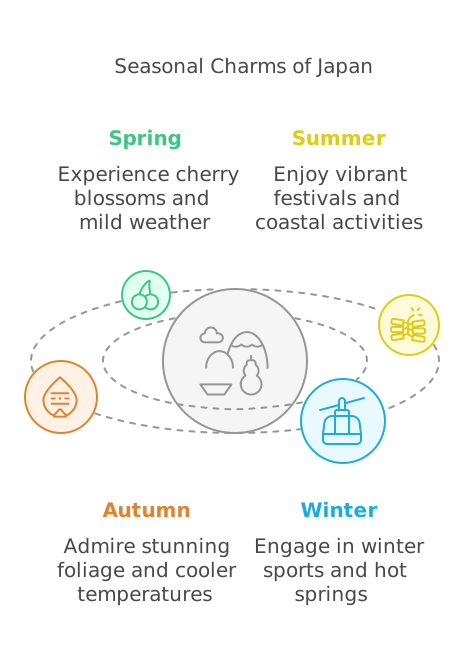
If you ask when the best time to visit Japan is, I’d answer, It’s always the best time to visit Japan!
As Each season has something special, so it really depends on your interests!
Spring (March to May) , is perfect if you want to see the country in full bloom with cherry blossoms, and the weather is mild, making it great for outdoor activities.
Hanami (flower viewing) parties are common during this time, where locals and tourists gather in parks to enjoy the beauty of the blossoms.
Autumn (September to November) Autumn is another fantastic time to visit Japan, as the foliage transforms into stunning shades of red, orange, and yellow.
The best time to witness the fall colors is typically from mid-October to early November.
The weather is generally cool and comfortable.
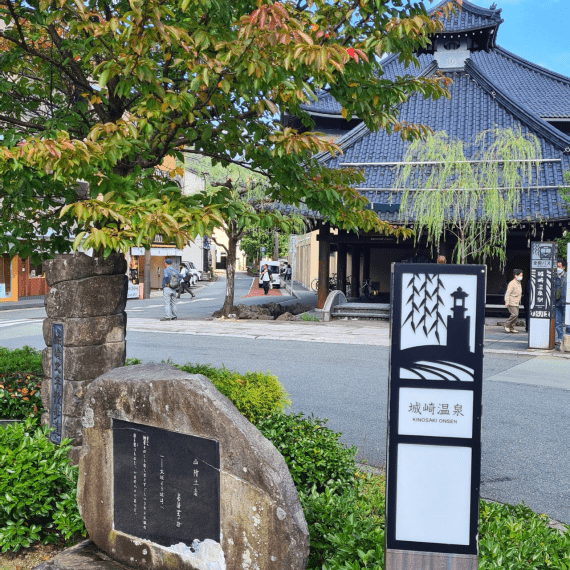
Winter (December to February) is a dream for winter sports lovers, especially in regions like Hokkaido, where you can enjoy skiing or snowboarding, and it’s also the perfect time to relax in one of Japan’s famous hot springs (Onsen).
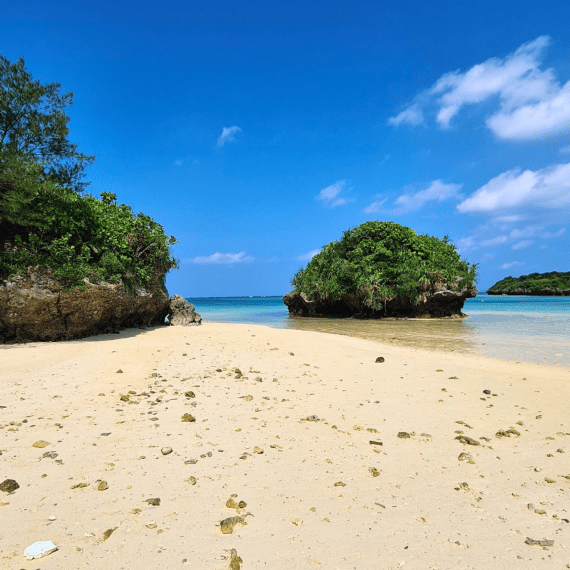
Summer (June to August)Summer in Japan can be hot and humid, especially in cities like Tokyo and Osaka, but it’s also festival season with vibrant matsuri like the Gion Matsuri in Kyoto and Nebuta Matsuri in Aomori. Coastal areas like Okinawa are great for beach activities, though be ready for occasional rain as June marks the start of the rainy season.
How to get arround
Getting around Japan is easy and efficient, thanks to its world-class transportation system and well-maintained roads and highways.
Public transport:
The Shinkansen is the fastest way to travel between major cities like Tokyo, Kyoto, and Osaka.
To use the Shinkansen you’ll need the JR Pass.
For local travel, JR Trains and subways in cities like Tokyo are quick and convenient.
If you’re visiting rural areas, buses are a great option.
Drive:
Driving in Japan is possible, but it’s not always the most convenient option, traffic can be heavy, especially in cities like Tokyo and Osaka, and parking can be expensive in busy areas.
However, it’s great for exploring rural areas.
You’ll need an International Driving Permit (IDP) and your home country license to rent a car.
If you’re not heading to remote spots, public transport is usually more efficient.