




24 Hours in Burgos: The Perfect One-Day Itinerary
Burgos is a super charming city in northern Spain, full of history and great vibes.
Its stunning Gothic cathedral is a total must-see—seriously, it’s jaw-dropping. Wander the cute old town streets, grab a coffee, and soak in the medieval atmosphere. There’s loads of cool history here, from ancient kings to epic architecture.
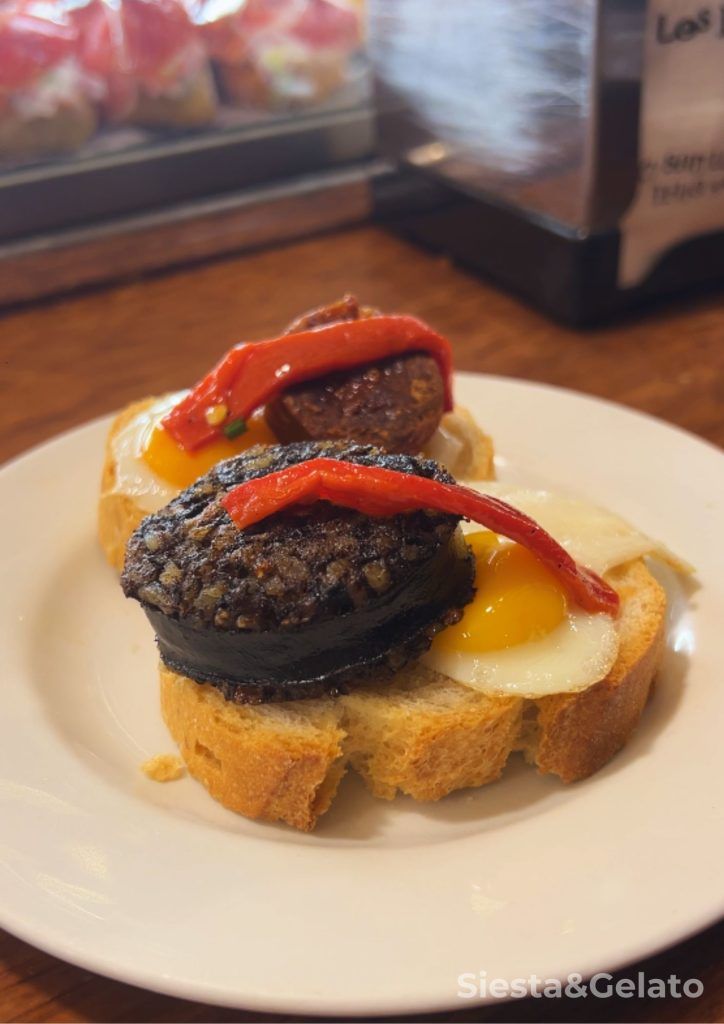
Make sure to try the local morcilla (yep, blood sausage—it’s better than it sounds!).
It’s the kind of place you can explore in a day and still feel like you’ve seen something special. In this post, you’ll find the best things to see during 24 hours in Burgos.
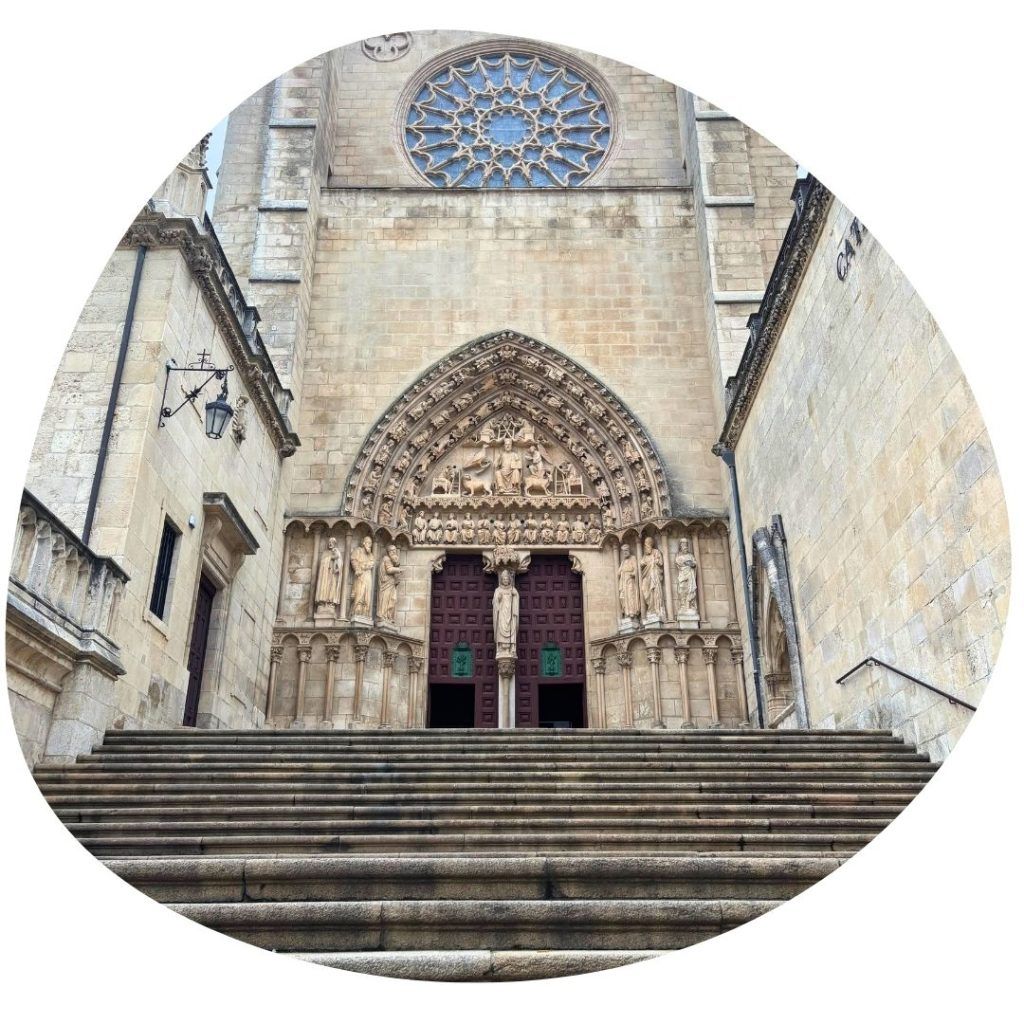
Table of contents
Visiting Burgos but only have one day to explore? No worries—we’ve put together the perfect guide to help you see the very best of the city.
We’ve selected 7 top spots and experiences you shouldn’t miss on a one-day trip to Burgos.
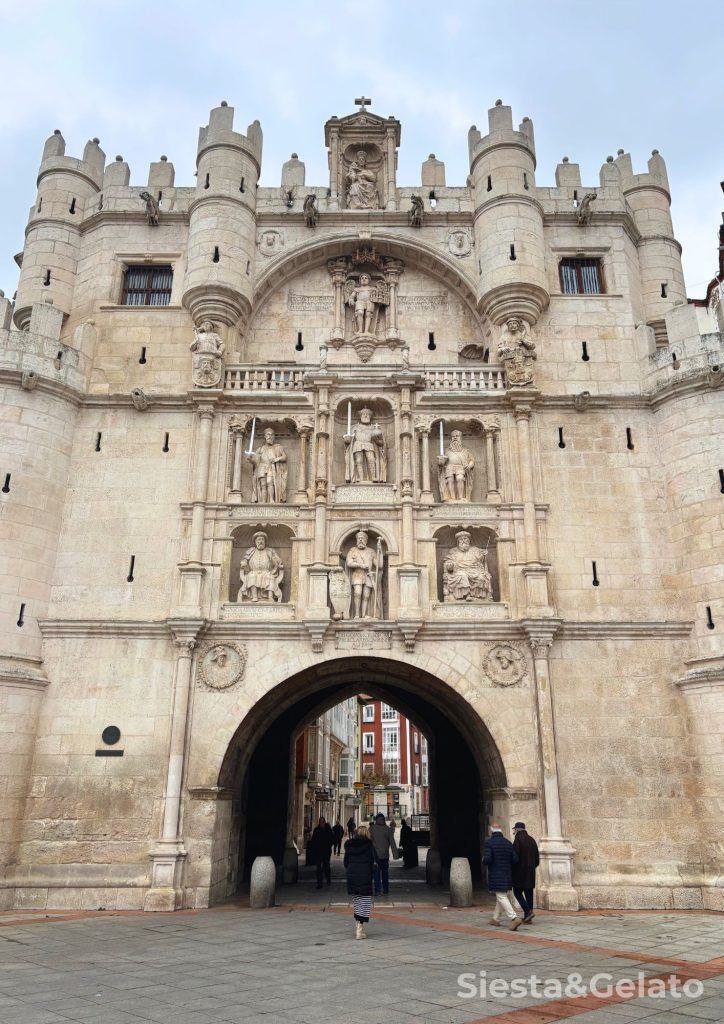
1. Santa María Arch
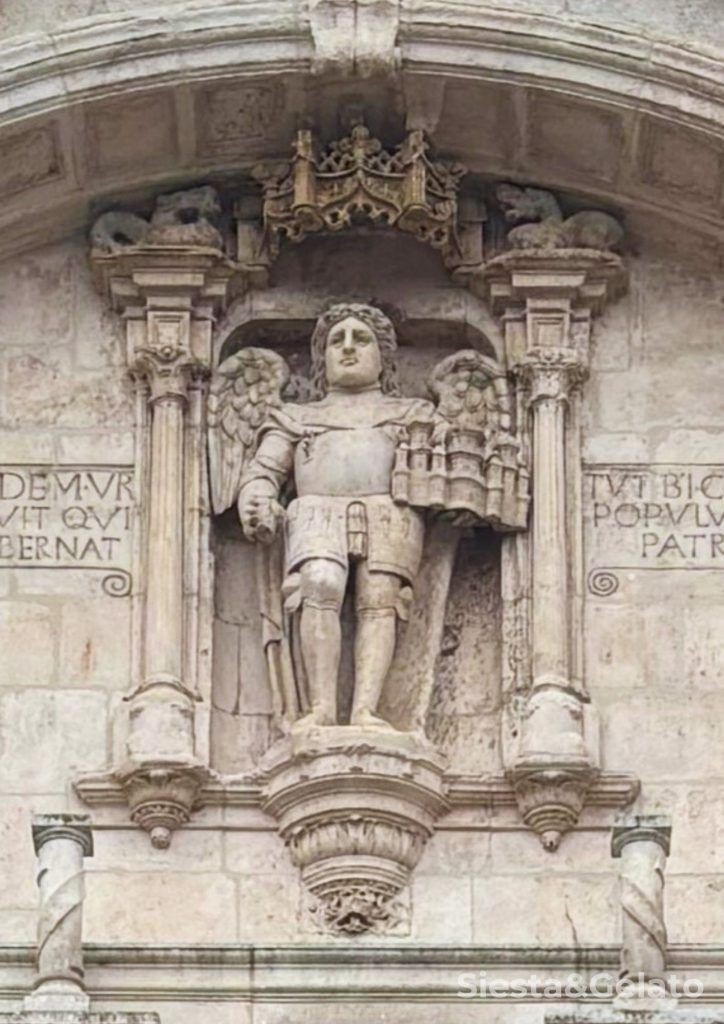
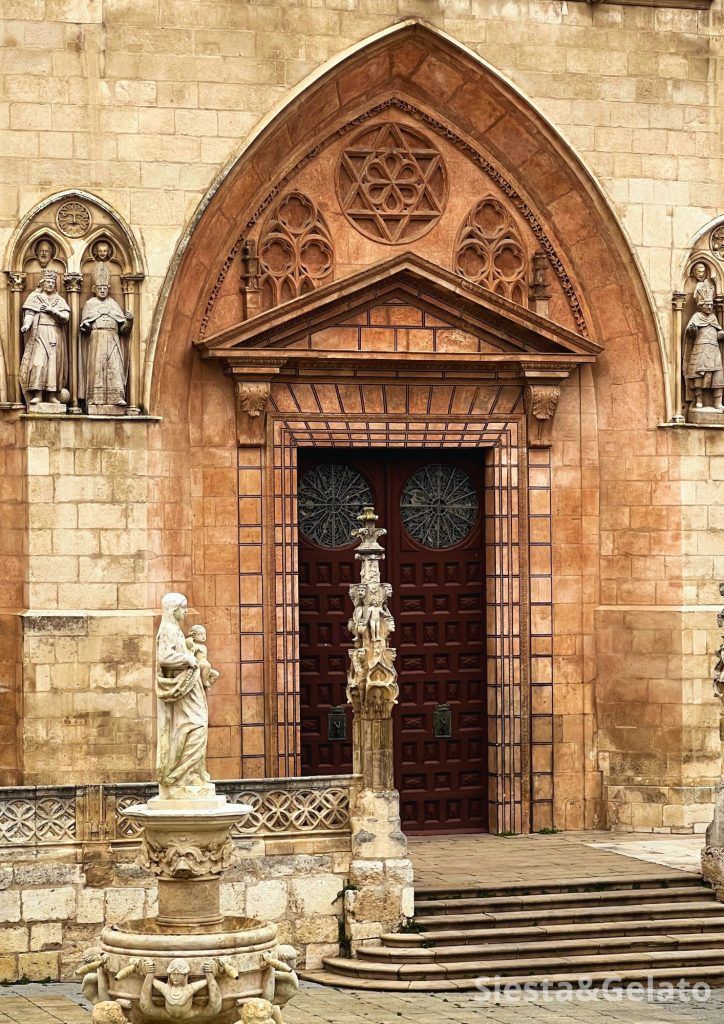
The Santa María Arch is one of the most iconic entrances to Burgos’s old town. Originally part of the medieval city walls, it was later transformed into a grand city gate, complete with an impressive façade adorned with statues of kings and historical figures. Inside, you’ll find a small museum showcasing the history of Burgos. It’s not only a beautiful architectural landmark but also a great starting point for exploring the city’s historic center.
2. Catedral de Santa María de Burgos
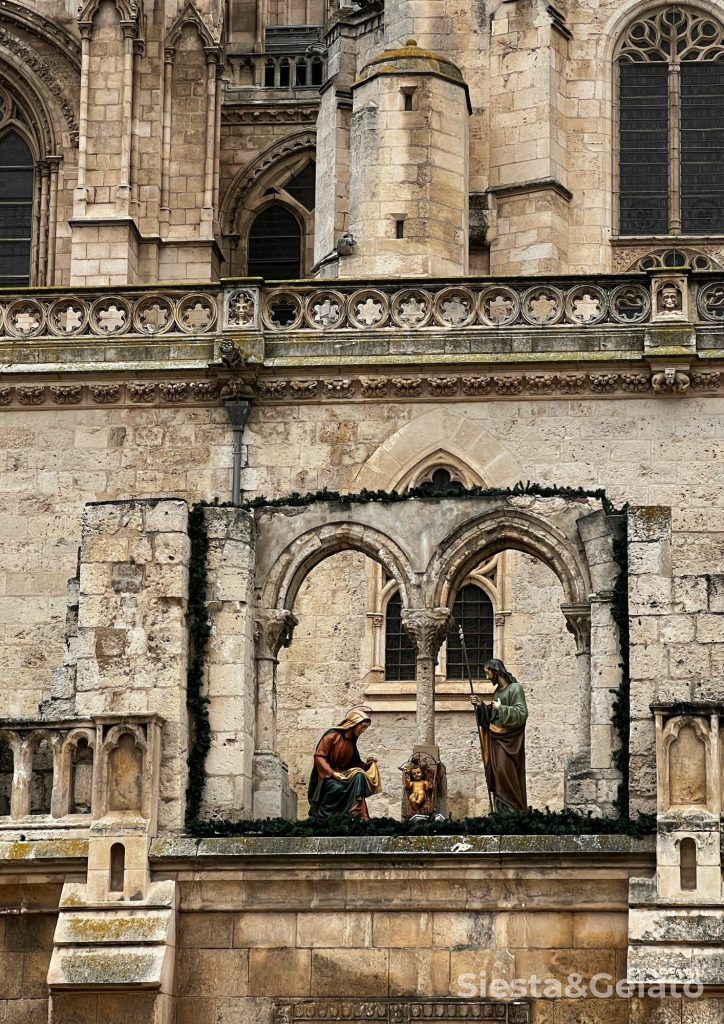
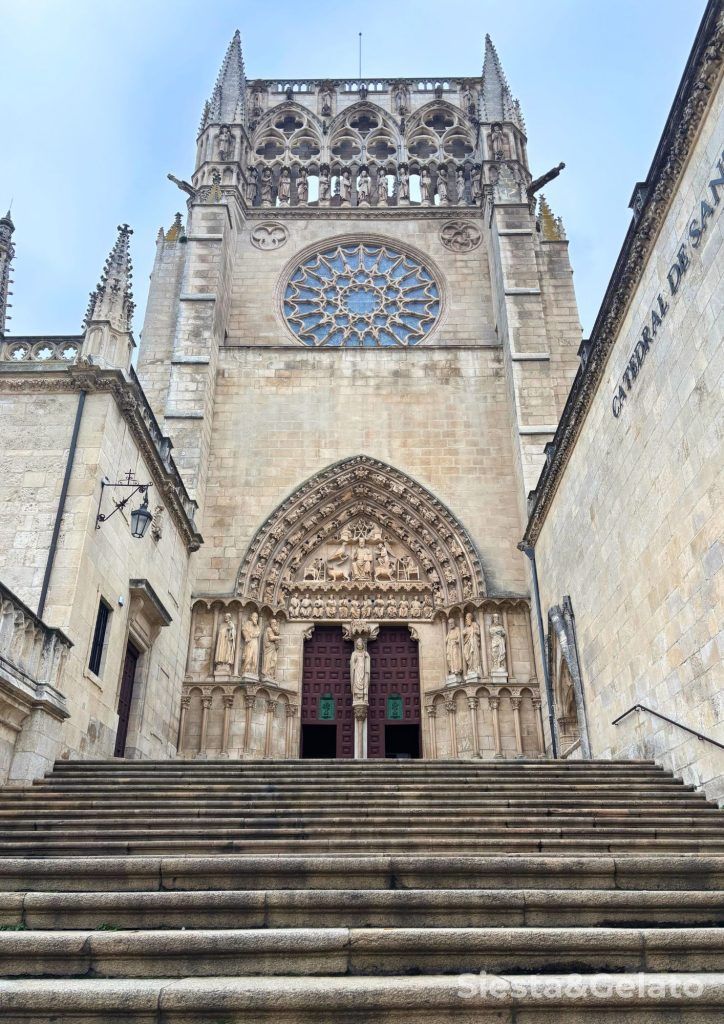
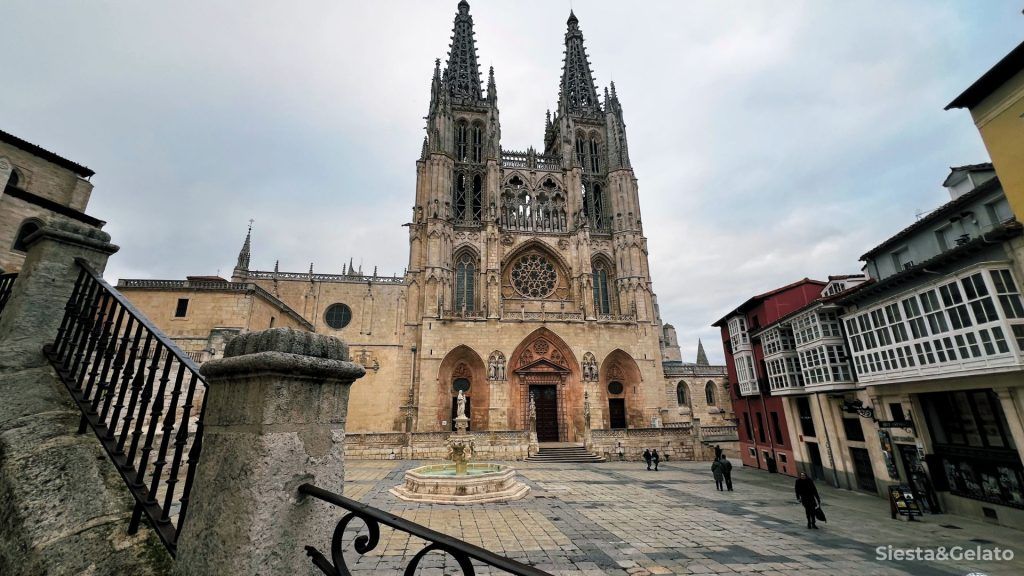
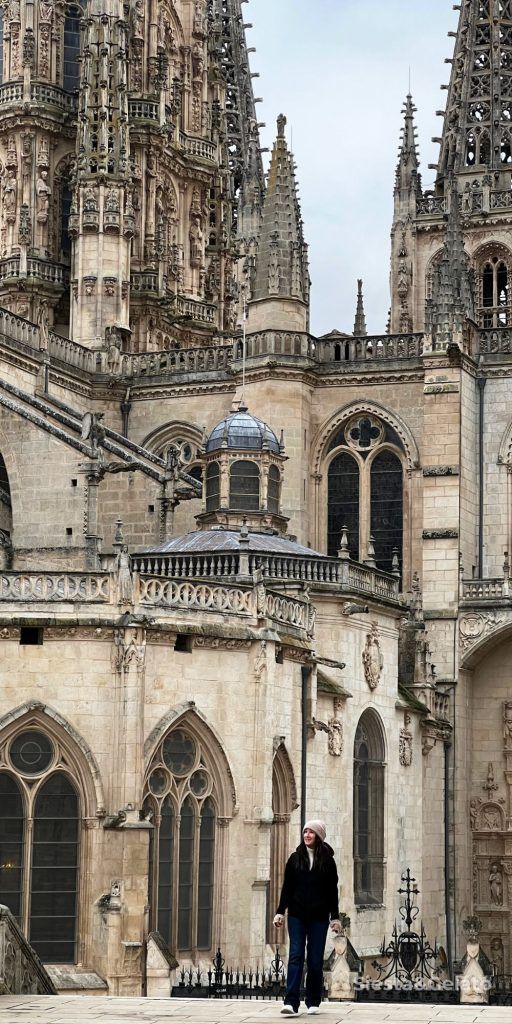
The Burgos Cathedral is the crown jewel of the city and a UNESCO World Heritage Site. Famous for its stunning Gothic architecture, it’s one of the most impressive cathedrals in Spain.
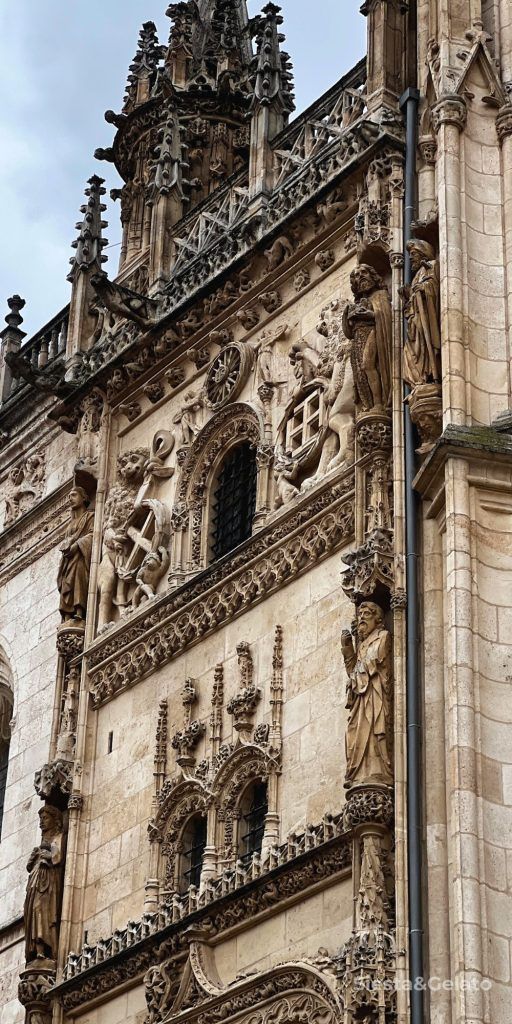
Construction began in 1221 and continued for centuries, adding layers of history and detail. Its majestic spires, ornate façades, and intricate sculptures are truly breathtaking.
Inside, you’ll find beautiful chapels, a golden staircase, and the tomb of El Cid. Don’t miss the cloister and the panoramic views from the upper terraces.
🕘 Opening Hours: Open daily
From March 19 to October 31: 9:30 AM to 7:30 PM
Last entry at 6:30 PM.
From November 1 to March 18: 10:00 AM to 7:00 PM
Last entry at 6:00 PM.
🎟️Entry ticket: 10€ – Free on Tuesday from 4:00 PM to 6:00 PM
📌 Where to Buy: The ticket can purchased online or directly on-site.
3. Plaza Mayor
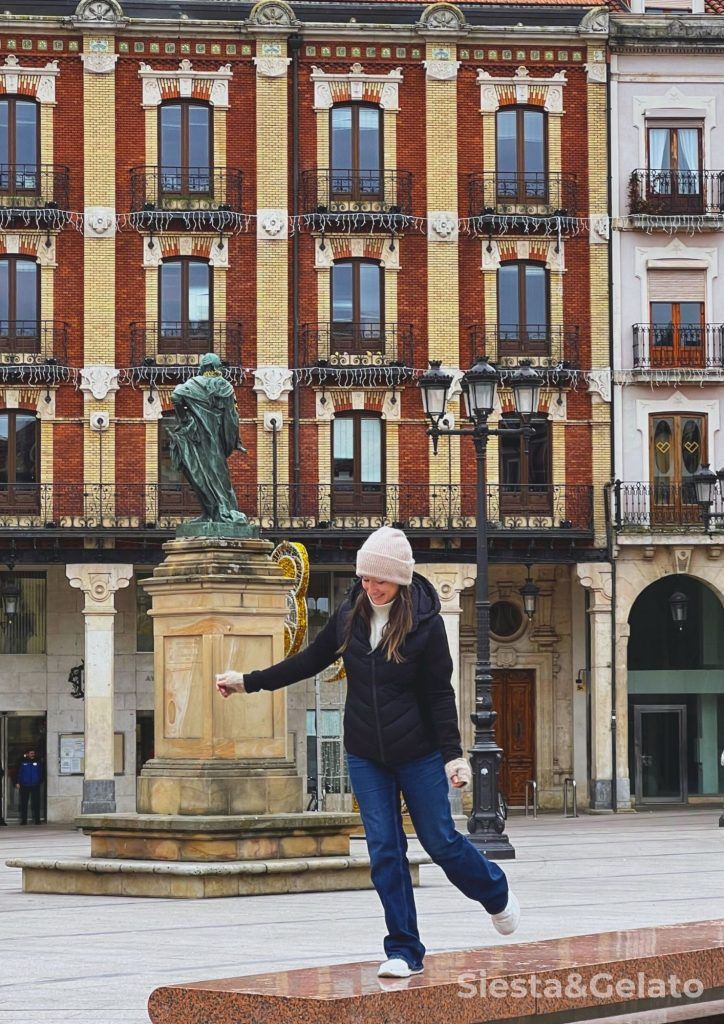
Plaza Mayor is the vibrant heart of Burgos—a spacious and welcoming square, unlike many other Castilian plazas.
Once known as the Weekly Market Square and later the Lesser Market Square, it has long been a central gathering place for locals and visitors alike.
Built in 1221 in Gothic style, the square is home to the City Hall, and its gate features one of the finest sculptural ensembles in Spain. Today, it’s surrounded by colorful buildings, bustling cafés, and a lively atmosphere that truly comes alive in the evenings.
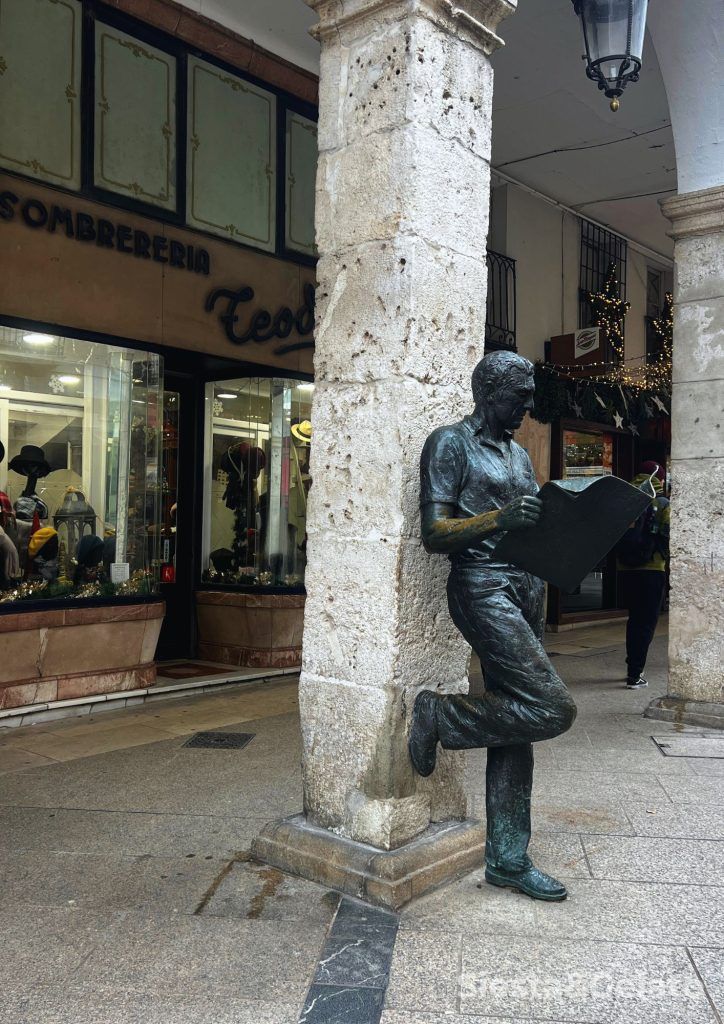
4. Paseo del Espolón
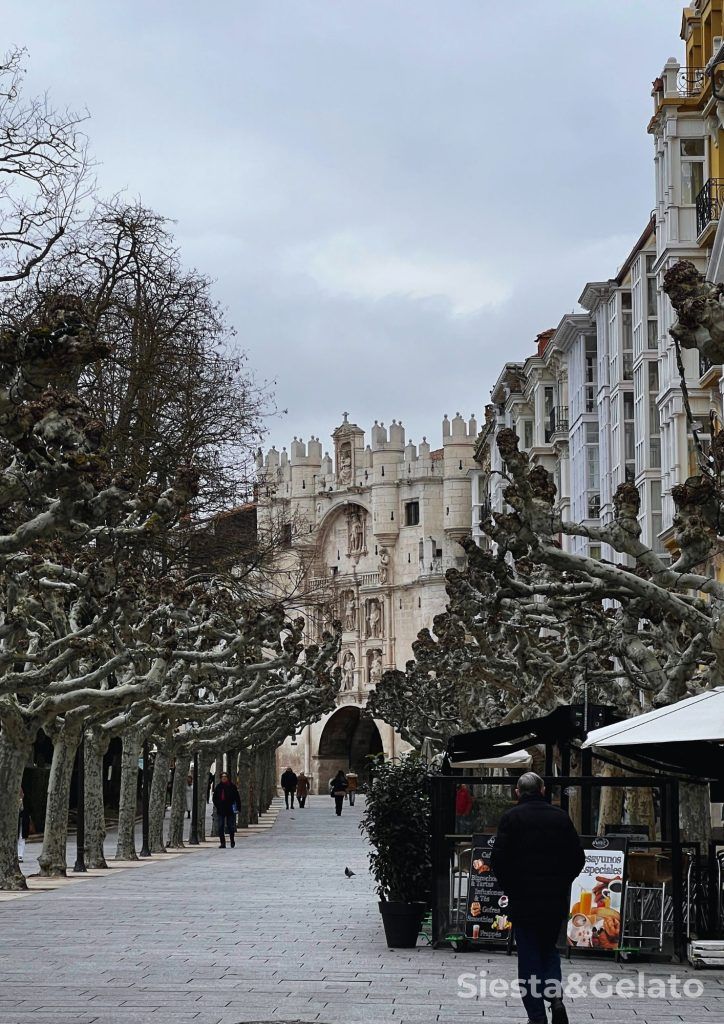
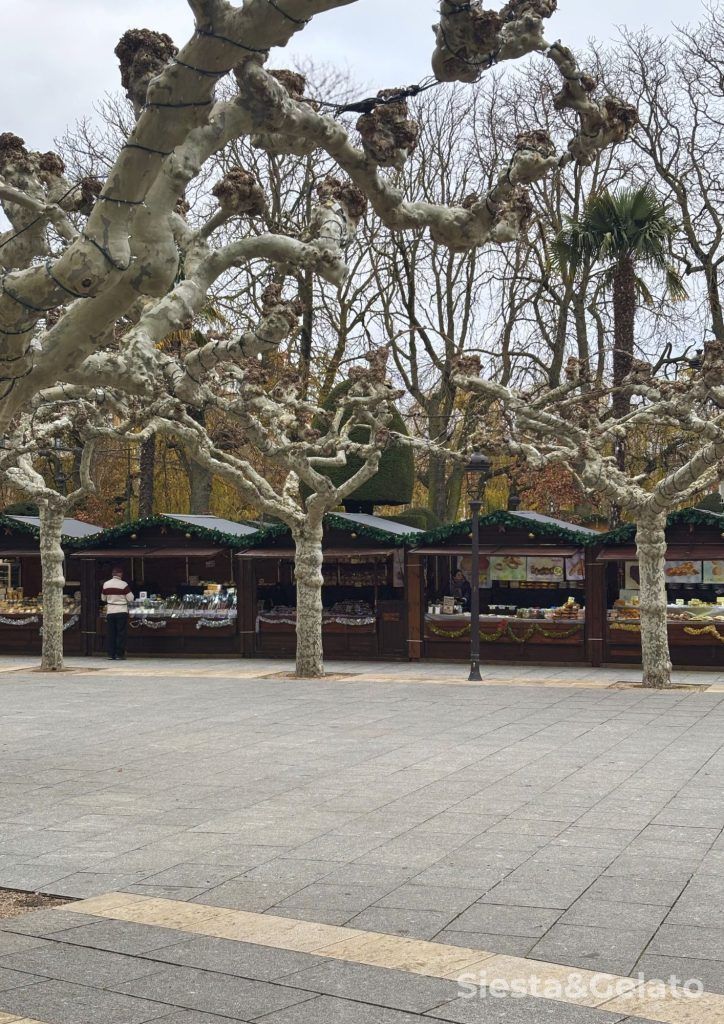
Just past the arches of the City Hall, you’ll find the Paseo del Espolón, one of the main arteries of Burgos and a favorite gathering spot for locals and visitors alike. This charming, tree-lined promenade stretches from the Arco de Santa María to the Teatro Principal, offering the perfect setting for a leisurely walk, a coffee break, or simply enjoying its fountains, statues, and manicured gardens.
Originally built in the 18th century over the old medieval walls, it’s not only full of history but also vibrant with life.
Throughout the year, the paseo often hosts exhibitions, artisan fairs, and street performances, making it a lively cultural hub right in the heart of the city.
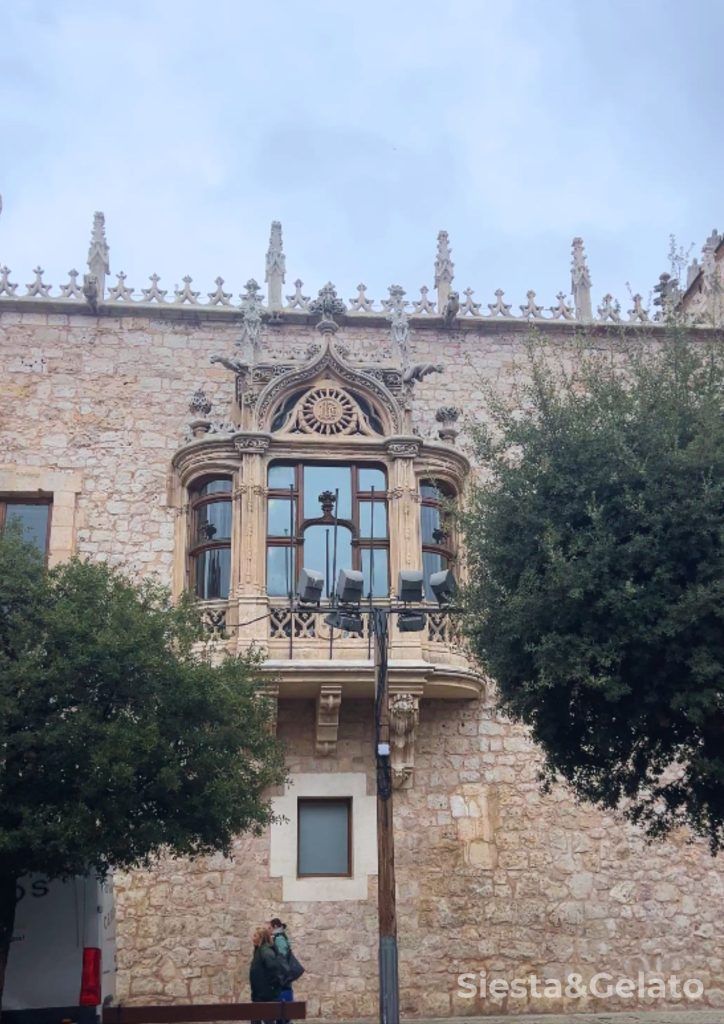
5. Casa del Cordon
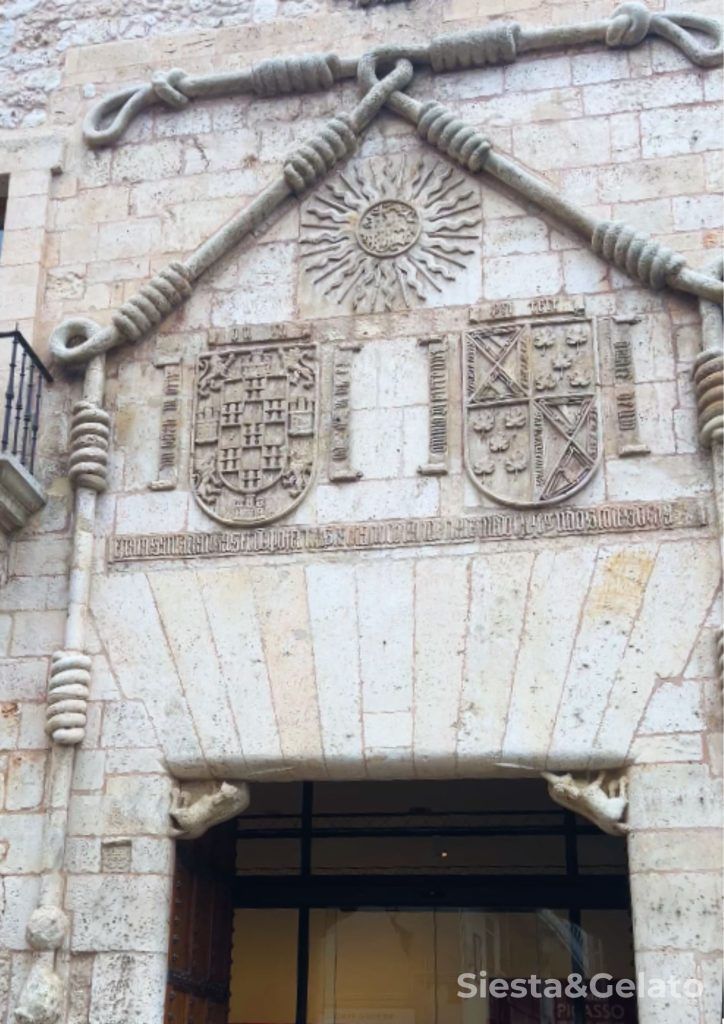
The Casa del Cordón, or House of the Cord, is a must-see historical gem in Burgos, dating back to the 15th century. This stunning Gothic palace was built for the Constables of Castile, Pedro Fernández de Velasco and Mencía de Mendoza, and designed by the renowned architect Simón de Colonia. Its name comes from the large Franciscan cord carved above the main entrance, representing the owners’ devotion to Saint Francis.
The building holds great historical significance, having once hosted the Catholic Monarchs and even Christopher Columbus after his return from the Americas. Today, it serves as a cultural center and houses a financial institution.
6. Burgos Gastronomy
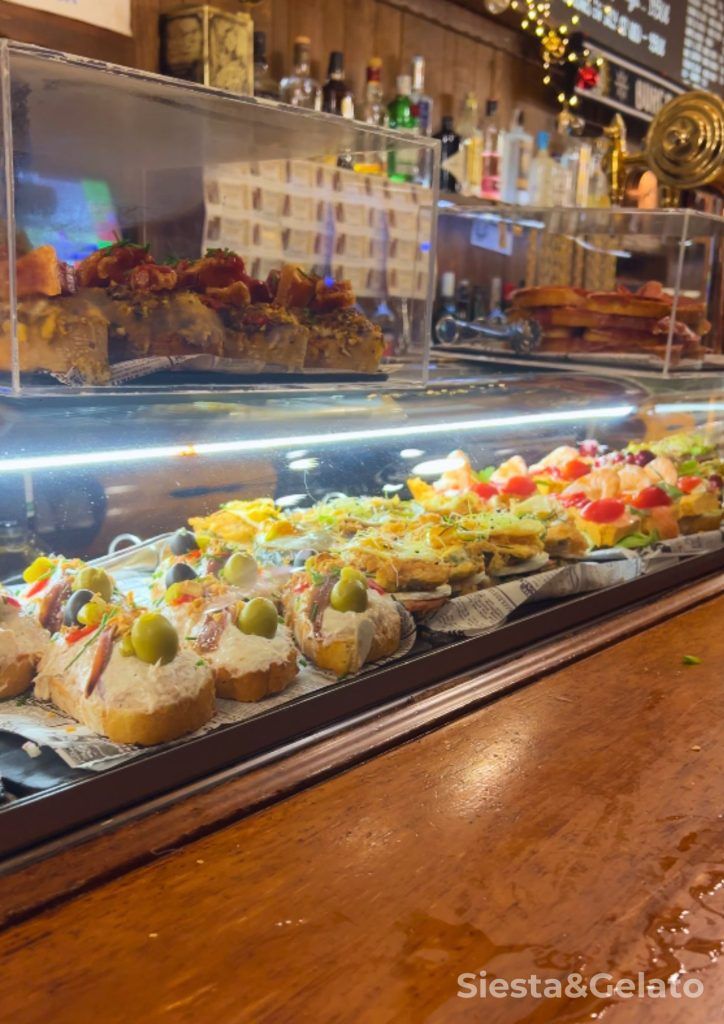
Burgos has some seriously tasty food that you’ve got to try! First up, you can’t miss the morcilla de Burgos, a delicious blood sausage made with rice and spices – it’s a local favorite. If you’re into tapas, we suggest going bar hopping—you’ll find a great variety of cured meats, cheeses, and other tasty treats. For a true Burgos experience, dig into a plate of Cordero/lechazo asado, mouth-watering roasted lamb. And of course, wash it all down with a glass of ribera del Duero wine – it’s the perfect match for the region’s flavors!
8. Museo de la Evolución Humana
The Museo de la Evolución Humana (MEH) in Burgos takes you on a fascinating journey through human evolution, featuring over 200 original fossils, including Homo antecessor and the famous “Miguelón” skull. Hyper-realistic reconstructions and immersive exhibits bring prehistoric life to the present. Housed in a striking glass building, it also hosts cultural events and temporary exhibitions. As part of the Atapuerca System, it connects visitors to one of the world’s most important archaeological sites.
🕘 Opening Hours:
Tuesday to Friday 10:00 AM to 2:30 PM and 4:30 PM to 8:00 PM
Saturdays 10:00 AM to 8:00 PM
Sundays: 10:00 AM to 3:00 PM
Closed on Monday.
🎟️Entry ticket: 6€ – Free on Thursday
📌 Where to Buy: The ticket can purchased online or directly on-site.
7. Around burgos
If you have extra time to spend in the surroundings, here are a couple of places that are absolutely worth visiting: the Monasterio de las Huelgas and the Cartuja de Miraflores.
Where to stay in burgos
The best areas to stay in Burgos are the Casco Viejo (Old Town) and the Zona Universitaria (University Area). In the Casco Viejo, you’ll be right in the heart of the historic center, surrounded by charming streets, iconic landmarks, and close to all the main attractions. On the other hand, the Zona Universitaria, located about 3 km from the city center, is a great option if you want a bit more nightlife. It’s well-connected by public transport, so getting into the city is easy, but you’ll also enjoy a livelier atmosphere with plenty of bars and restaurants. Click here to check out hotel options in Burgos.
How to get to burgos
The best way to reach Burgos is by car, especially if you want the freedom to explore at your own pace and discover the beautiful countryside and nearby villages that surround the city. Driving gives you the flexibility to stop where and when you like, making your trip even more enjoyable.

if you prefer public transport, don’t worry—buses and trains to Burgos run regularly from all major Spanish cities like Madrid, Bilbao, and Valladolid, making it easy to reach even without a car.
Check Alsa official website to get there by bus or get your your train here
Getting around burgos
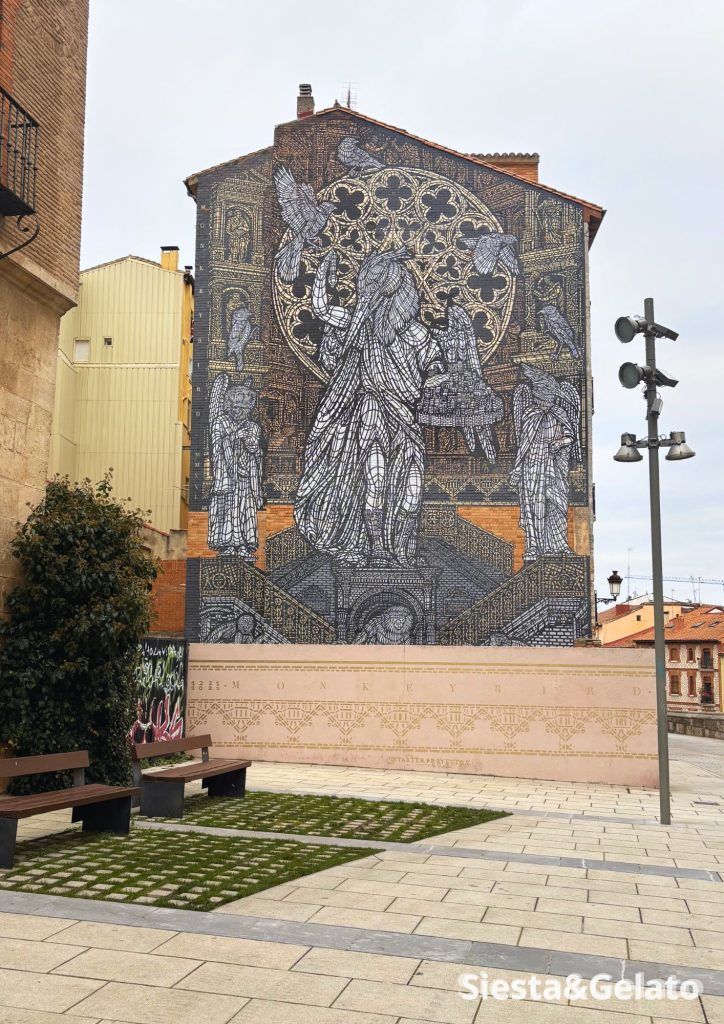
Getting around Burgos, Spain is incredibly easy, especially if you’re staying in the historic center. The old town is completely walkable, and most of the main landmarks are just a short stroll apart. If you’re staying outside the center, don’t worry—Burgos has an efficient and reliable bus system that connects all parts of the city. Taxis are available but tend to be more expensive. Overall, exploring Burgos on foot is the best way to soak in its charm and atmosphere.
Best time to visit Burgos
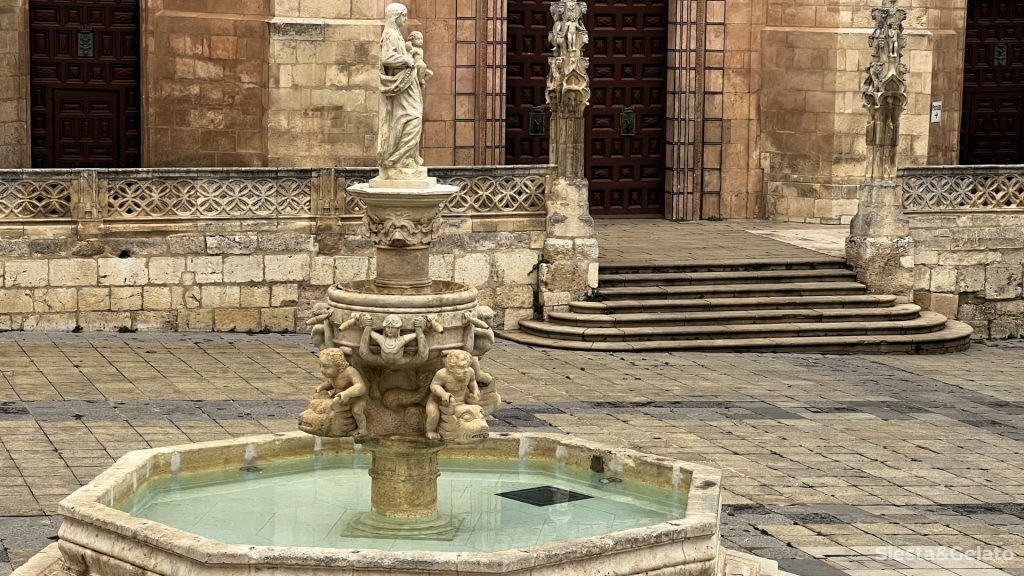
Burgos is a year-round destination; however, the best time to enjoy it at its finest is from May to October.
> May to June offers pleasant temperatures and fewer crowds.
> July and August are warmer and livelier, with local festivals like Fiestas de San Pedro y San Pablo (late June–early July).
> September to early October is also ideal—still warm, but with fewer tourists and beautiful autumn light.
Winters are very cold so it’s less ideal unless you’re a fan of quieter visits and chilly medieval vibes!
check other destinations in Europe