





Visit Socotra: everything you need to know
Visit Socotra Island, often called the “Galápagos of the Indian Ocean,” is a remote paradise known for its otherworldly landscapes and unique biodiversity, it’s home to the iconic Dragon’s Blood Trees, white sand dunes, and stunning beaches, it offers a truly off-the-beaten-path experience.
This Yemeni island is perfect for adventure seekers, nature lovers, and those looking for untouched beauty.
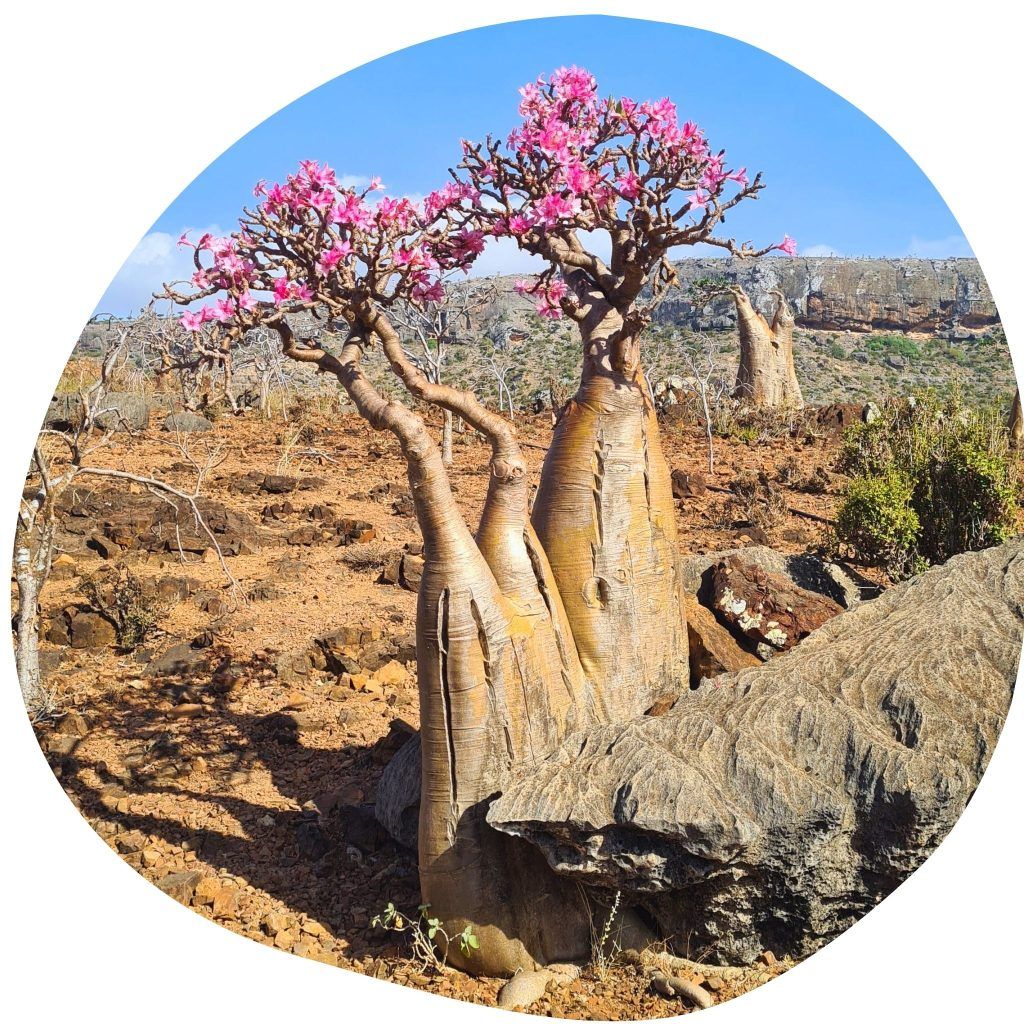
Have you ever stepped into a place so surreal it feels like another planet? That’s exactly how we felt when we set foot on Socotra Island.
From the twisted Dragon’s Blood Trees to the blinding white sand dunes and crystal-clear waters, every corner left us in awe.
Getting there wasn’t easy, but the adventure was worth every bit of effort.
If you’re dreaming of an off-the-grid paradise, here’s everything you need to know about visiting Socotra!
Table of contents

How to get to socotra
Socotra is a remote island in Yemen, and due to Yemen’s current political situation, the country is a no-fly zone, making travel to Socotra a bit challenging. Flights are limited, and you can’t book them on your own.
The only way to reach Socotra is via direct charter flights from Abu Dhabi, which operate twice a week.
Because of these restrictions, independent travel is not possible.
To visit, you’ll need to book a tour with a local agency, as they will arrange both your flight and visa. While this might sound complicated, it actually simplifies the process, allowing you to focus on experiencing Socotra’s breathtaking landscapes and untouched beauty.
Several agencies offer this service, and we personally traveled with Tour Socotra, an experience that was nothing short of amazing!
Their organization, knowledgeable guides, and passion for the island made our trip truly unforgettable. Plus, the guides were incredibly friendly, always making sure we were comfortable.
 Arrive in Abu Dhabi 1–2 days before your Socotra flight and stay an extra night after returning to allow for any unexpected changes.
When to visit socotra
The best time to visit Socotra is from October to April, when the weather is just right, the sea is calm, and you can fully enjoy the island’s stunning landscapes.
Whether you want to relax on its pristine beaches, hike through otherworldly rock formations, or see the famous Dragon’s Blood Trees, this is the perfect time to go!
From May to September, monsoon season kicks in, bringing strong winds and extreme heat.
Many parts of the island become inaccessible, strong winds during the summer monsoon cause dust and sandstorms, along with large ocean swells. Flights to the island usually stop around mid-May and resume once the winds calm down, typically by early to mid-September.
Do i have internet in socotra?
Internet is limited in Socotra Island If you do need to use it , you need to get an Etisalat SIM card in the UAE (available at the airport). It works in some areas on the island, like the “capital” and a few other spots. However, keep in mind that the highest speed you’ll get is 3G—there’s no 4G, 5G, or LTE here.
Some tour operators use Star link for internet access, but it doesn’t always work very well.
Is it safe to visit Socotra?
This is a question many travelers ask themselves before planning a trip to Socotra.
Rest assured, the island of Socotra is completely safe for tourists, thanks to its remoteness and isolation from the political turmoil on mainland Yemen.
With over 1,500 visitors each season, Socotra is not affected by the dynamics of the Yemeni civil war, despite the island being isolated from the rest of the world in recent years. Its peaceful nature and separation from the mainland’s instability make it a secure and unique destination for travelers.
How do i charge my devices?
First of all, in Socotra, they use a Type G plug, so if you don’t have one, you’ll need an adapter. On our trip to Socotra, we charged our devices in the car while traveling to different places.
We strongly suggest bringing a couple of power banks with you.
Can i bring my drone?
Drones are allowed in Socotra, and you can fly them almost anywhere to capture stunning shots and videos, however, bringing your drone to Socotra can be a bit tricky, as UAE has strict regulations about drones.
On our trip, the airport security in Abu Dhabi confiscated our drone, but we were able to retrieve it before heading to Socotra.. While we were picking it up, we met other travelers on the same flight to Socotra, many of whom had also had their drones confiscated.
Interestingly, on our way back from Socotra, we spent an extra day in Abu Dhabi, and this time, the airport security didn’t confiscate our drone.
In fact, many other travelers we met on our flight to Socotra didn’t have any issues with their drones in Abu Dhabi either.
Visit Socotra
Many tours in Socotra last 7 days, which is a great amount of time to explore the island properly. As we mentioned earlier, we visited Socotra with Tour Socotra, which offers three different ways to experience the island, depending on your preferences:
VPC (Very Cool People) Tour – A private tour for yourself or you and your partner, where you’ll spend all 7 nights in a hotel.
Wild Tour – A group tour where you’ll spend all 7 nights camping, fully immersing yourself in Socotra’s incredible landscapes.
Comfy Tour – A group tour where you’ll spend 6 nights camping and the last night in a hotel.
We chose the Wild Tour, and our group had 8 people in total. We didn’t pick this option because we’re hardcore campers, but because we felt it was the best way to truly experience the island’s raw beauty. And honestly, it turned out to be an amazing adventure!
day 1
Our first day in Socotra was a pretty relaxed one, the perfect way to ease into the adventure. As soon as we arrived, we set off towards Detwah Lagoon, where we would be spending our first night. The drive itself was already an experience, giving us a first taste of the island’s wild and untouched beauty.
On the way, we made a quick stop to check out some Soviet-era tanks. Those rusty relics that were brought to Socotra but never actually used. It was a bit surreal to see them just sitting there in the middle of this remote island.

Detwah Lagoon
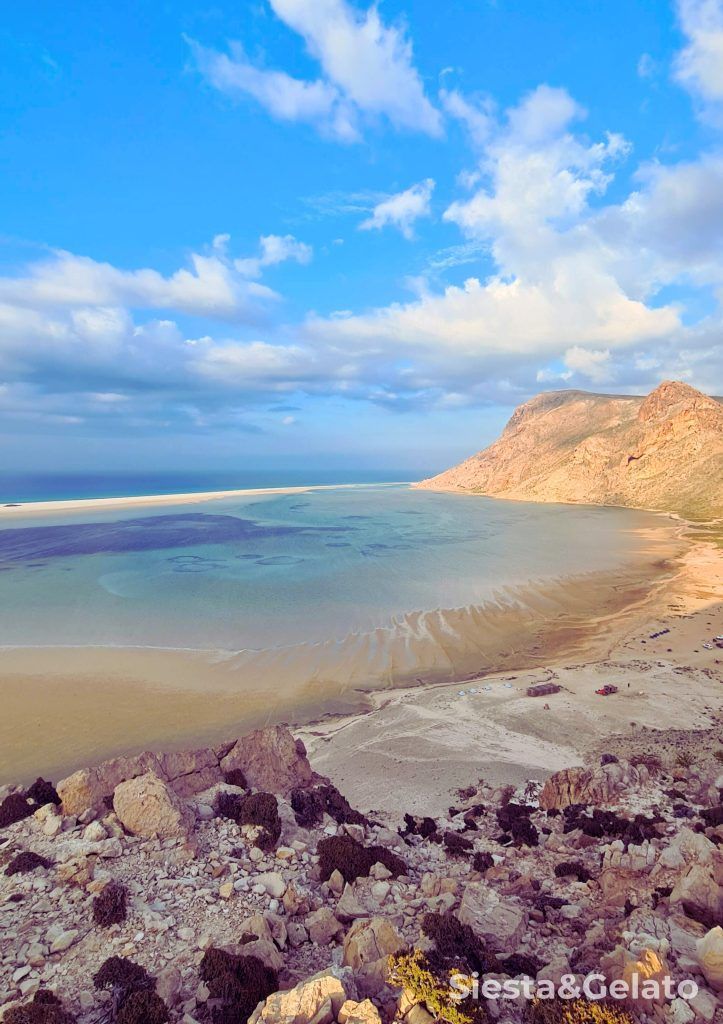
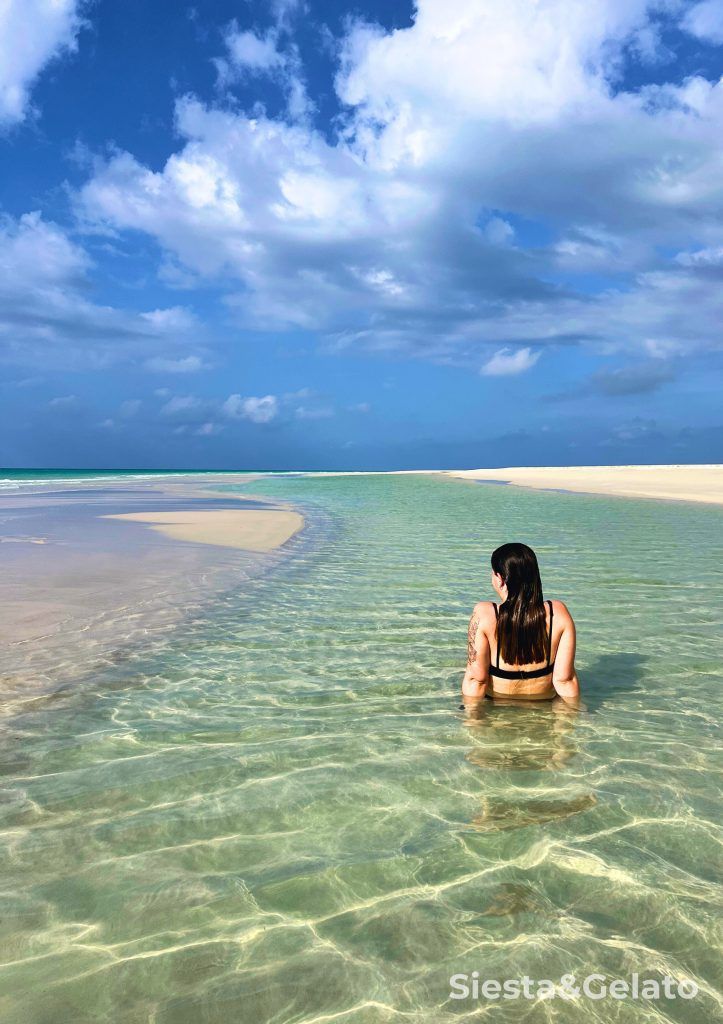
Detwah Lagoon is like a little slice of paradise, where the tides work their magic to create crystal-clear pools perfect for a refreshing dip. Splashing around in these natural basins, with huge sand dunes and epic cliffs all around, felt unreal. It’s like you’ve stumbled upon a secret spot no one else knows about. It’s the kind of place where you just kick back, float, and let the warm water melt your worries away.
Due to the low tide, it took us five minutes to walk through the beach to reach the water. The sand was covered with tiny white crabs scurrying in all directions—you had to be careful not to step on them.
day 2
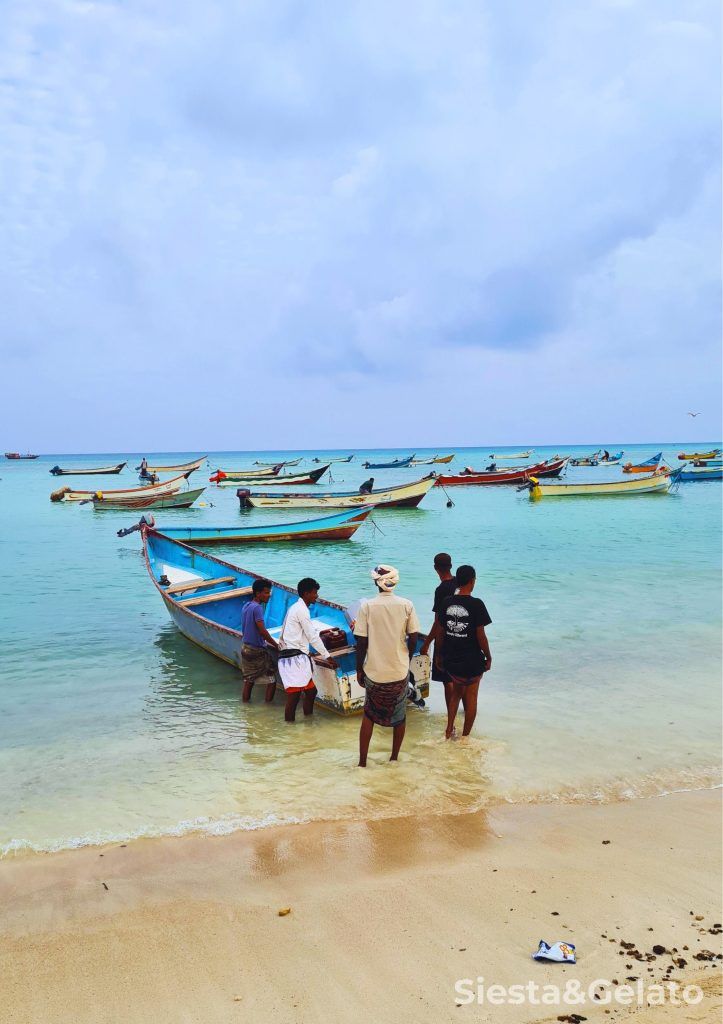
In the morning, we went to Qalansiyah Beach, where we took a boat to Shoab Beach.
Shoab beach
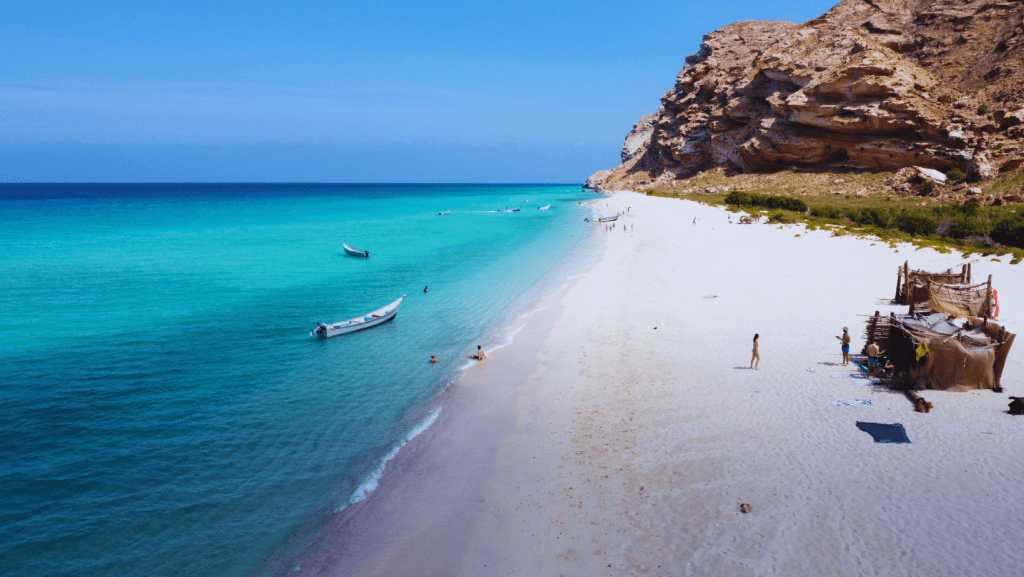
As we cruised along, we saw massive cliffs that looked like they were straight out of a movie, with sand that ranged from white to pink to red.
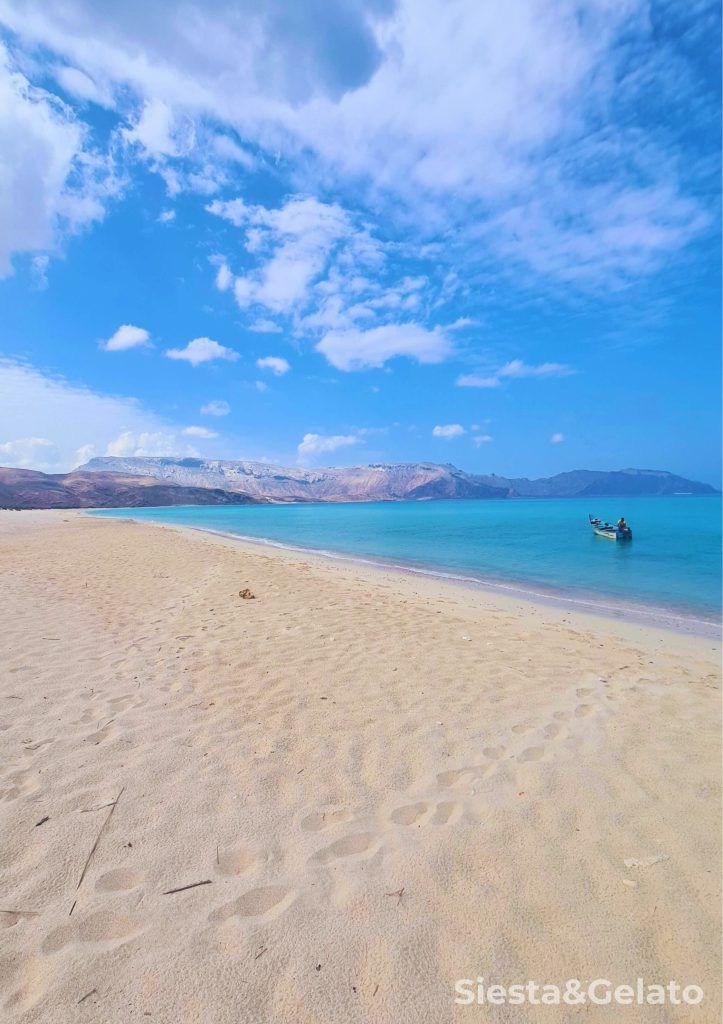
Shoab Beach was totally deserted, giving us the perfect spot to chill out. The water was super clear, and the soft sand felt amazing underfoot.
It was just us, the ocean, and a bit of peace and quiet like we had the whole place to ourselves. Definitely one of those perfect, untouched spots.
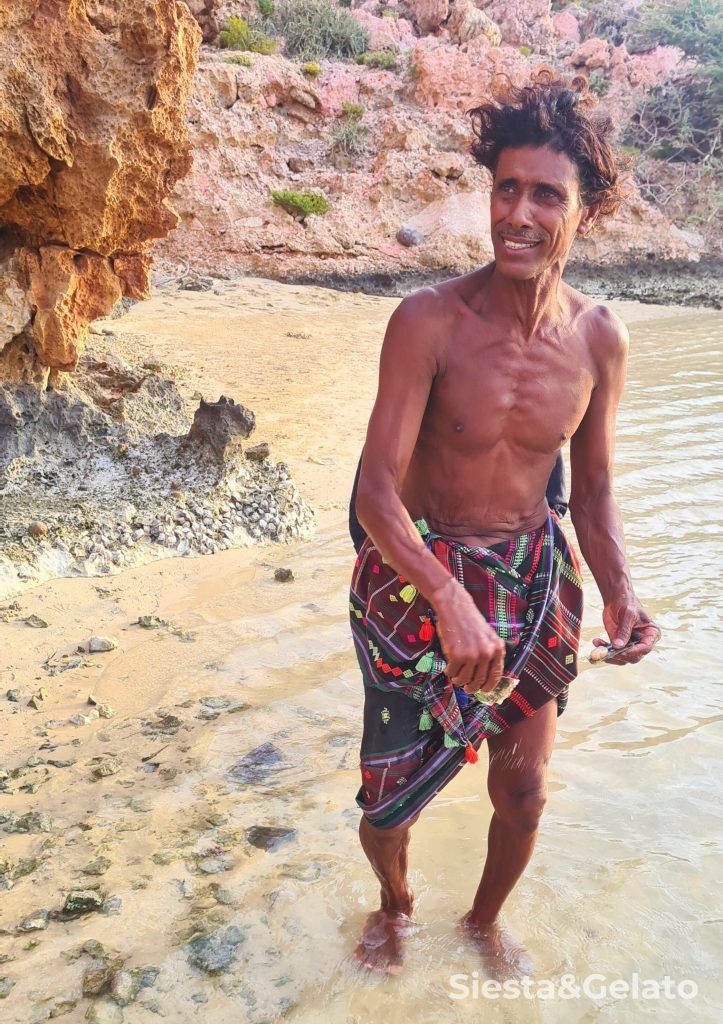
After spending the morning at Shoab Beach, we went back to Detwah Lagoon to visit the caveman, probably the most famous person on the island.
Ellai, the self-proclaimed “Caveman of Socotra”. He is Over 60, he claimed a cave above Detwah Lagoon, known for its rich marine life.
While he doesn’t live in the cave, he has a home in Qalansiya with his wife and 16 kids. He used to walk there daily, but now, he drives to harvest aloe vera and collect goat skins, which he sells in the city.
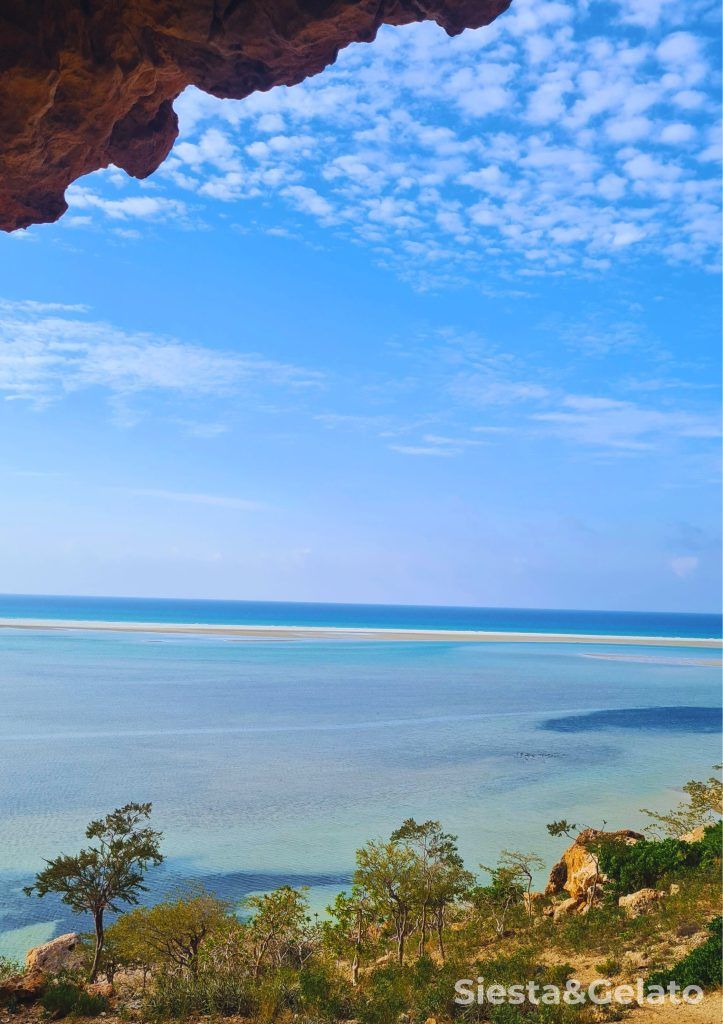
From there, we had another amazing view of the lagoon!
day 3
Diksam Plateau
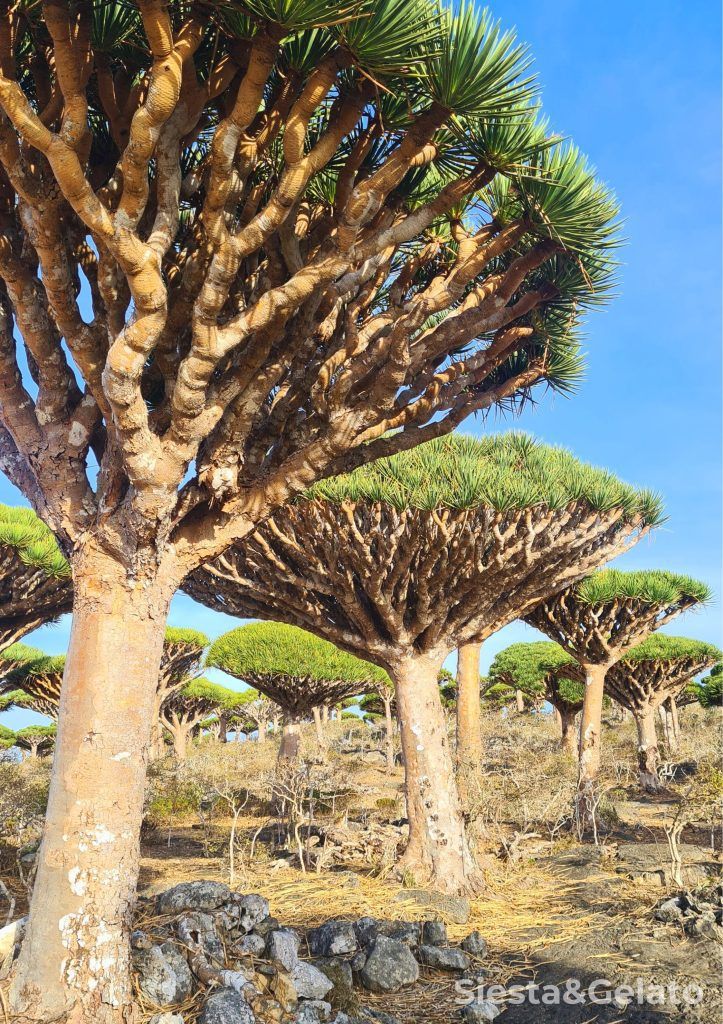
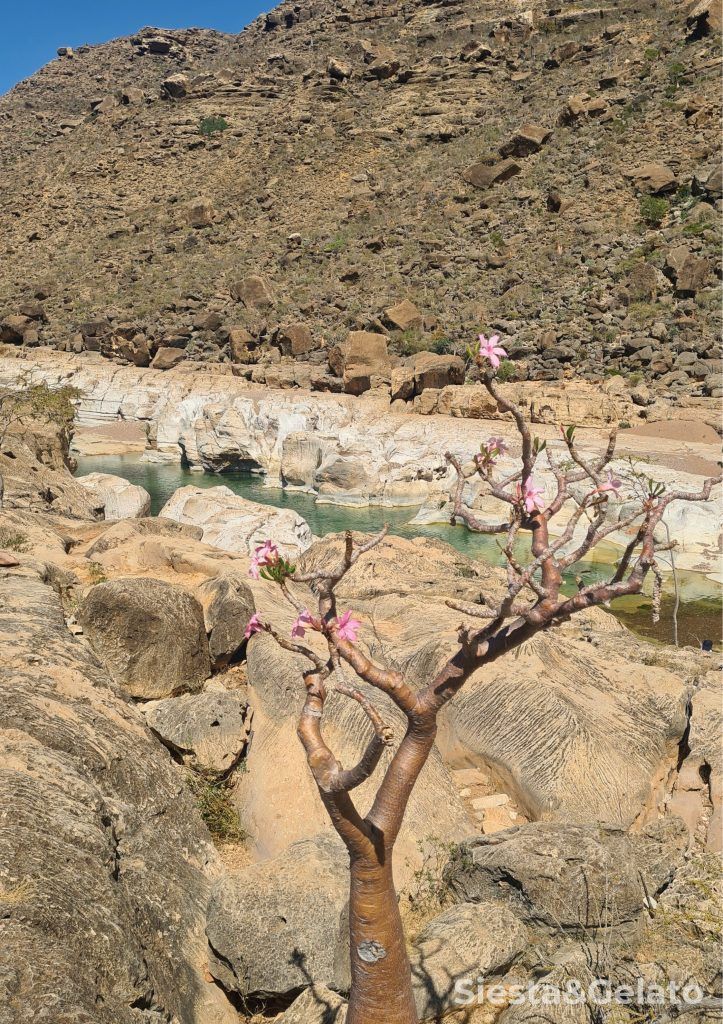
We’re on our way to the famous Diksam Plateau! The plateau, sitting over 700 meters above sea level, offers stunning views of the island’s landscape. Here you can spot several dragon’s blood trees, a species unique to Socotra.
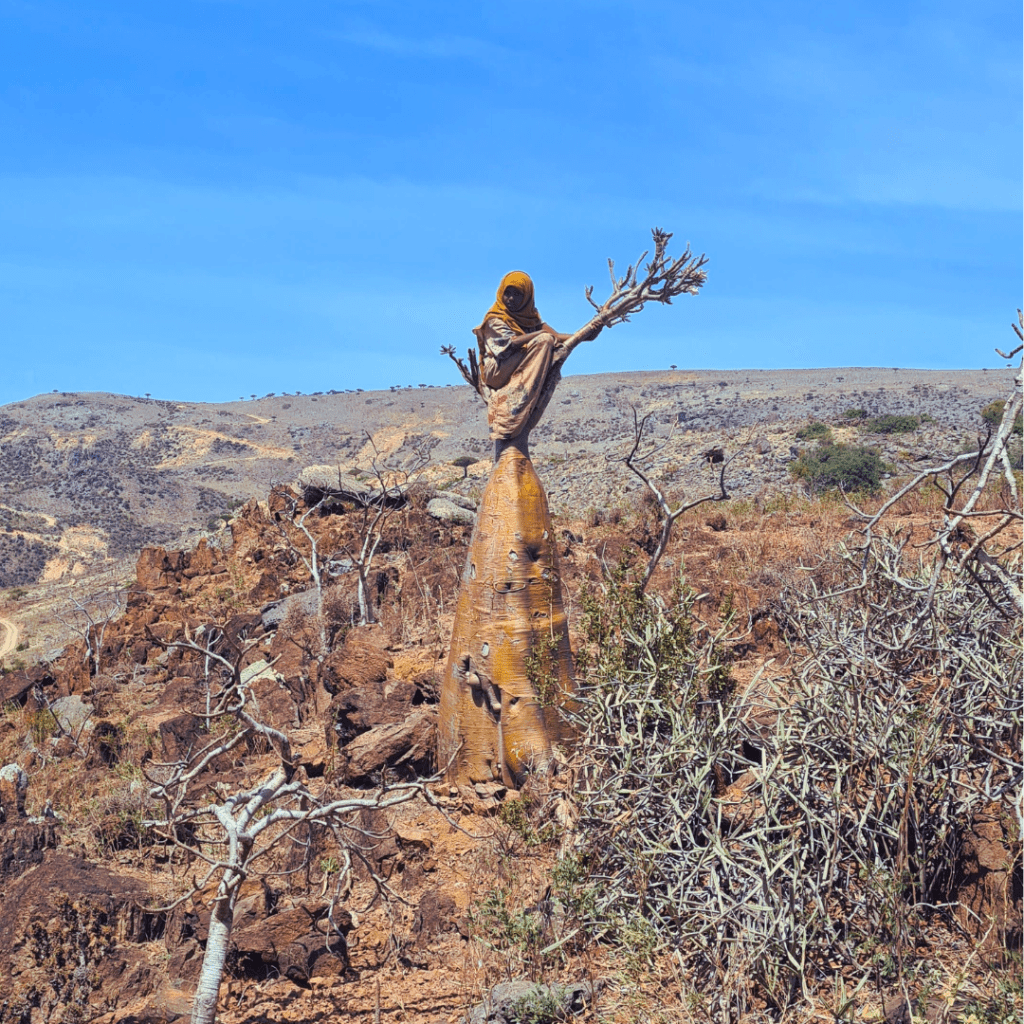
With their umbrella-like shape and the bright red sap they produce, these trees have been used for medicinal purposes for centuries. Local legend says a dragon once crashed and died on the island, which is why the trees “bleed” red sap. We also managed to see a lot of bottle trees!

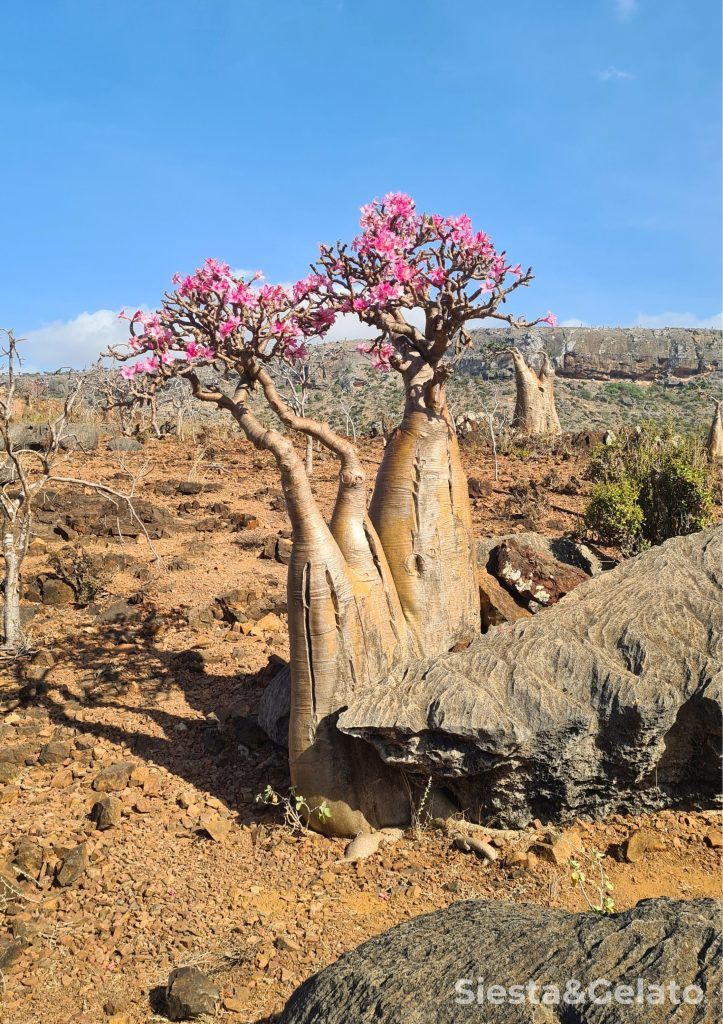
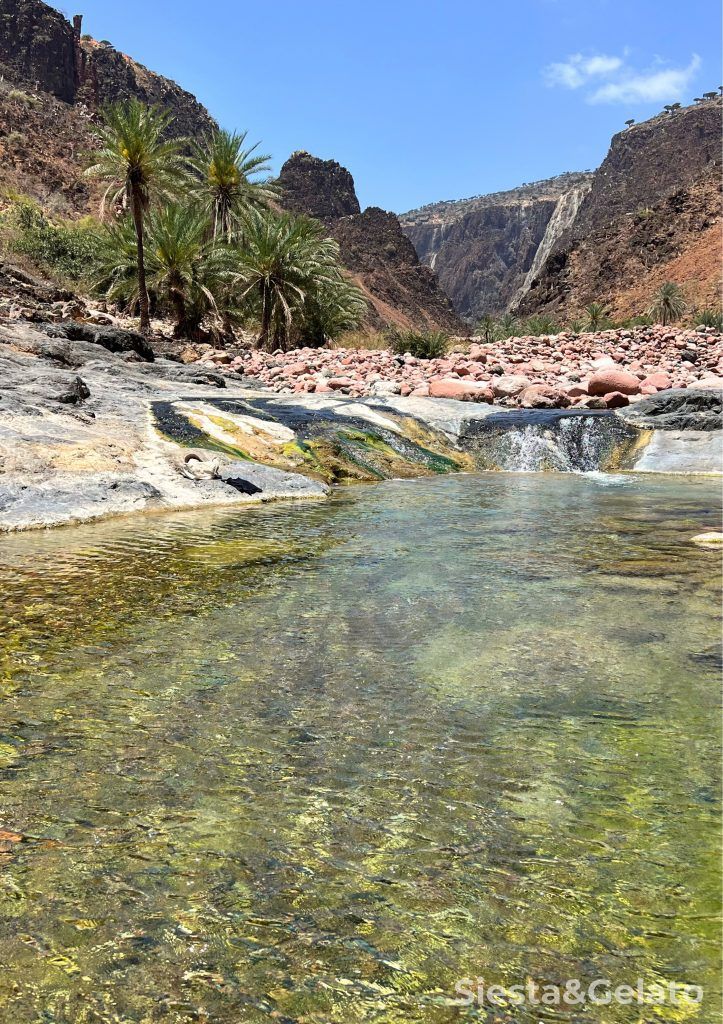
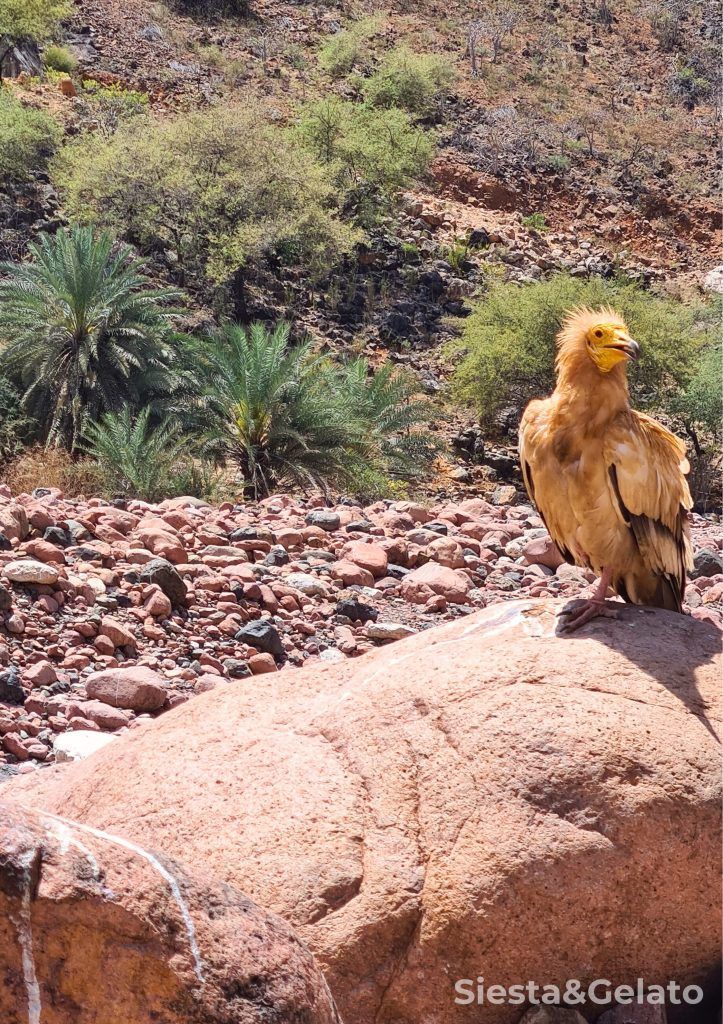
We then descend 700 meters into Dirhur Valley for a refreshing swim in the natural pools. Here we had lunch surrounded by towering canyon walls that make even the tallest person feel small.
Firmhin Forest
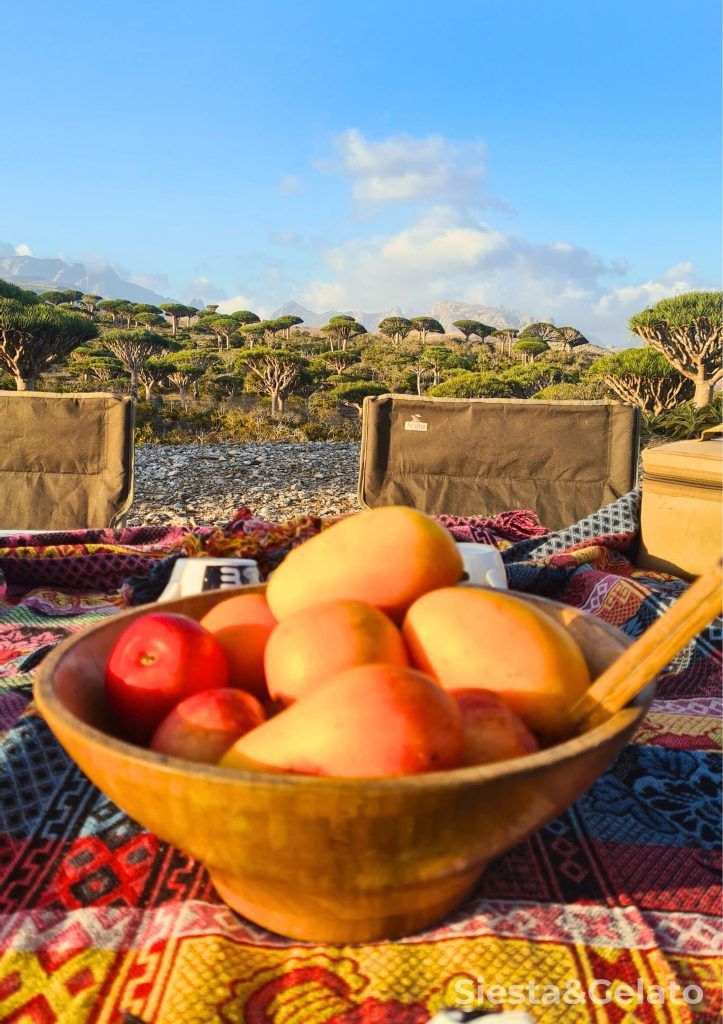
After lunch, we started climbing to one of the world’s rarest forests, Firmhin Forest, where every tree is a Dragon Blood tree!
You can only see those unique trees if you visit Socotra, despite scientists’ attempts to cultivate them elsewhere. We’ll take our time to soak in the surroundings, admiring the beauty of these ancient, otherworldly trees.
day 4
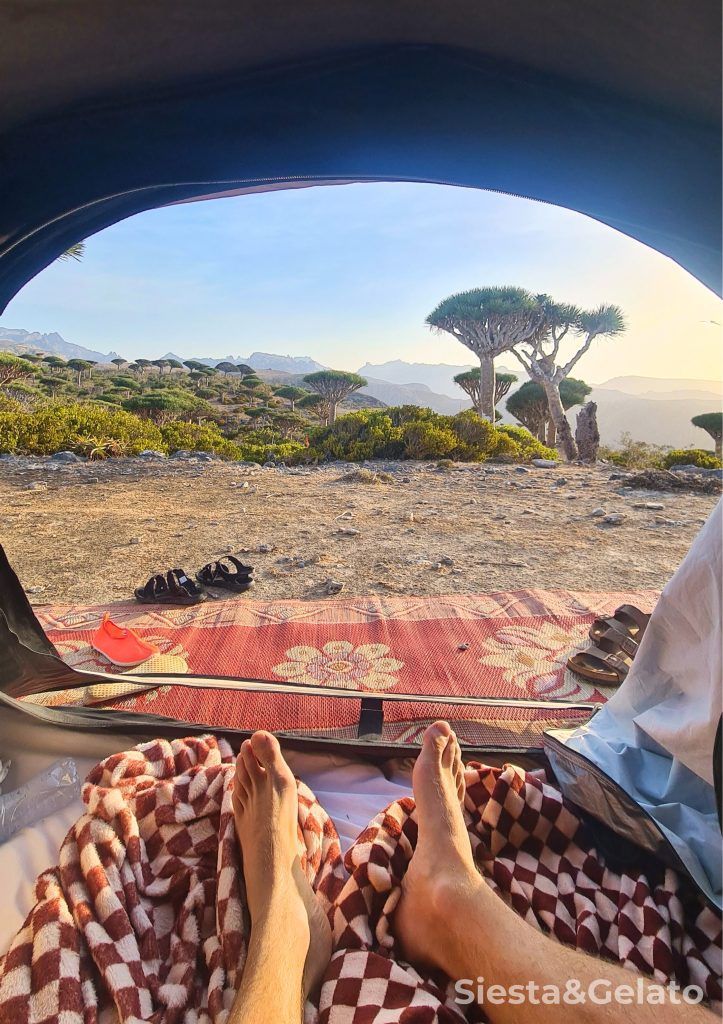
We woke up in the morning, unzipped our tent, and were left speechless.
Right in front of us, the Dragon Blood tree forest was bathed in the soft morning light. It was a breathtaking and truly unique experience, one that’s hard to put into words.

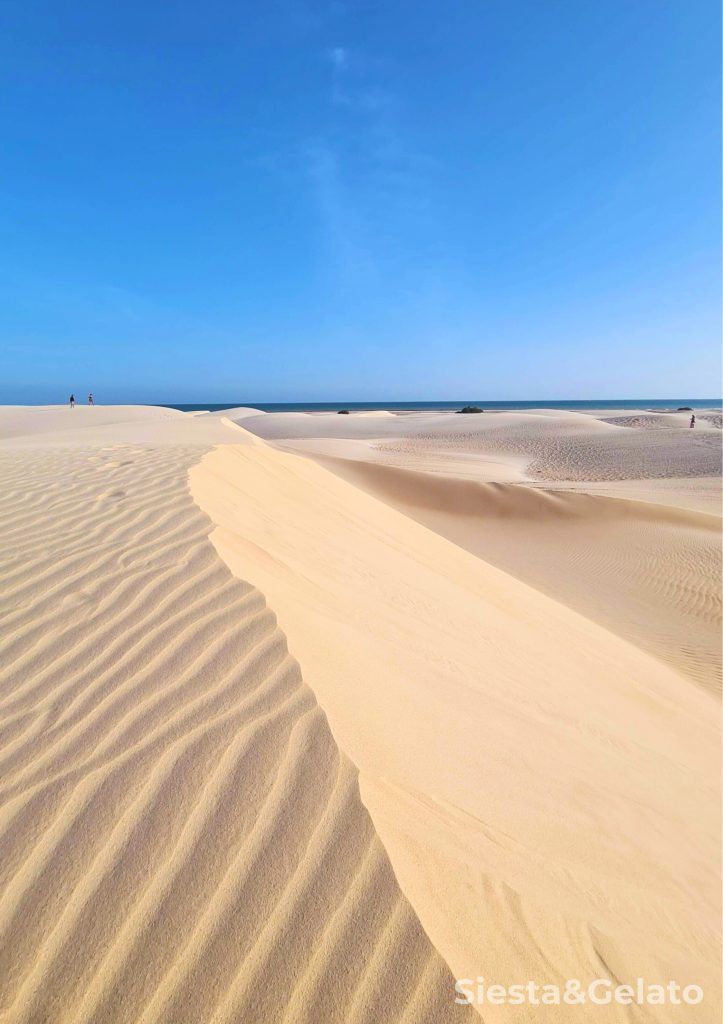
Today’s adventure takes us to the breathtaking Zaheq Sand Dunes in southern Socotra, but honestly, the journey there was just as amazing!
On the way, we passed towering cliffs, charming mountain villages, and the iconic Dragon Blood and Bottleneck trees. Before reaching the dunes, we made a quick stop at Dagub Cave. A natural shelter once used by locals during the monsoon season. It’s now a fascinating part of Socotra’s history.
A short hike takes you to this stunning natural formation, where you might even spot some bats and birds along the way!
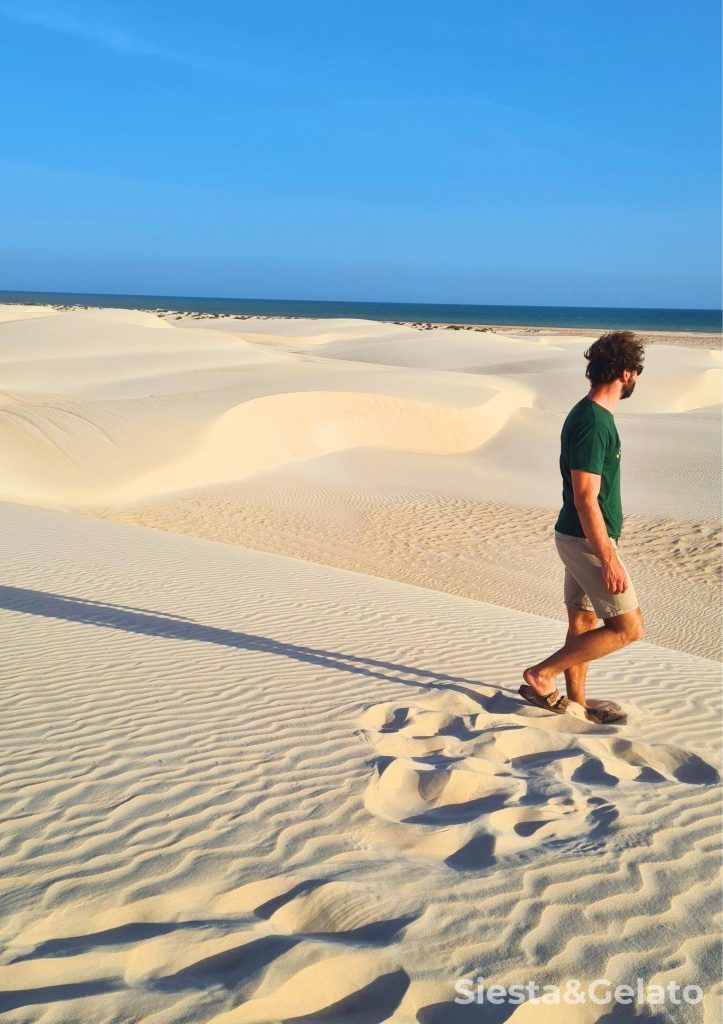
And then, we finally reached Zaheq, our campsite for the night.
An endless sea of golden dunes stretching as far as the eye can see.
day 5
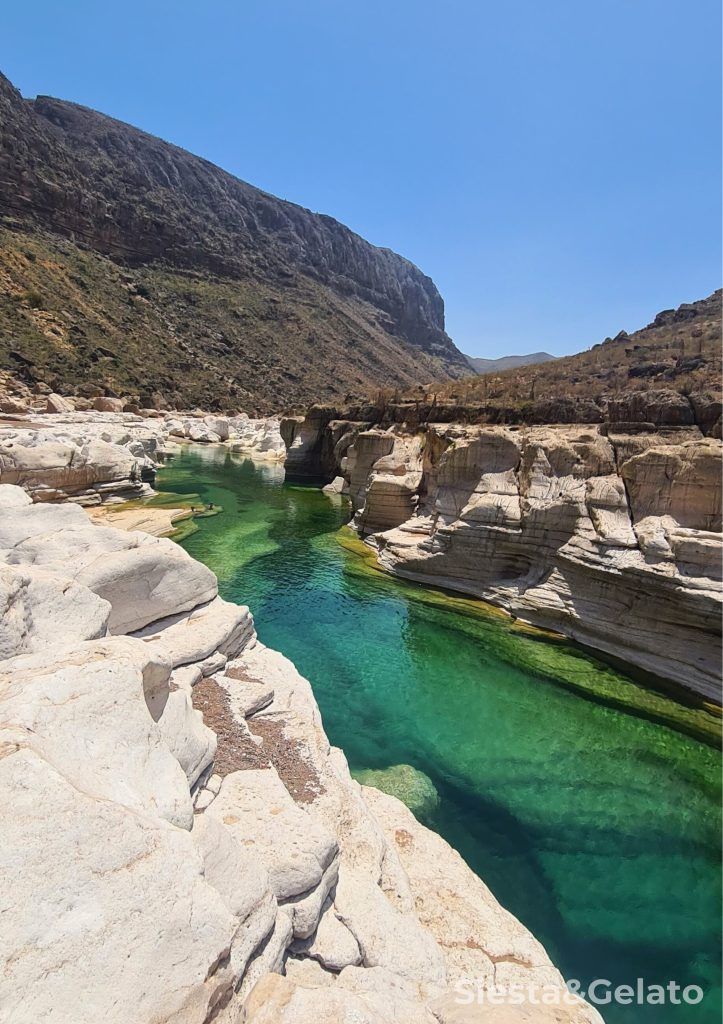
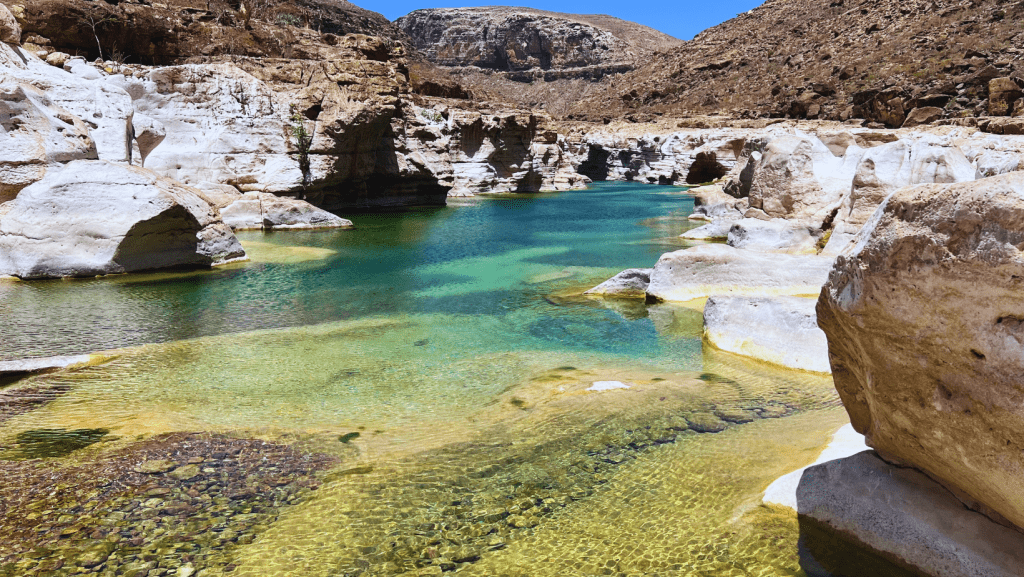
After a big, delicious breakfast, we headed off to Wadi Klisen Canyon, a place that looks like it’s been frozen in time.
Wadi Klisen Canyon
This place felt like stepping straight into a prehistoric world.
Massive cliffs towered over us with crystal-clear pools sparkled in the sunlight. It was the kind of place that made us stop and just take it all in.
As we wandered deeper, the canyon kept surprising us, crazy rock formations, and total silence except for the wind and the occasional bird. When we finally reached the pools, we couldn’t resist dipping our feet in. The water was unbelievably refreshing, this is definitely I place you cant miss if you visit Socotra.
Next, we headed to Arher Beach, our campsite for the night.
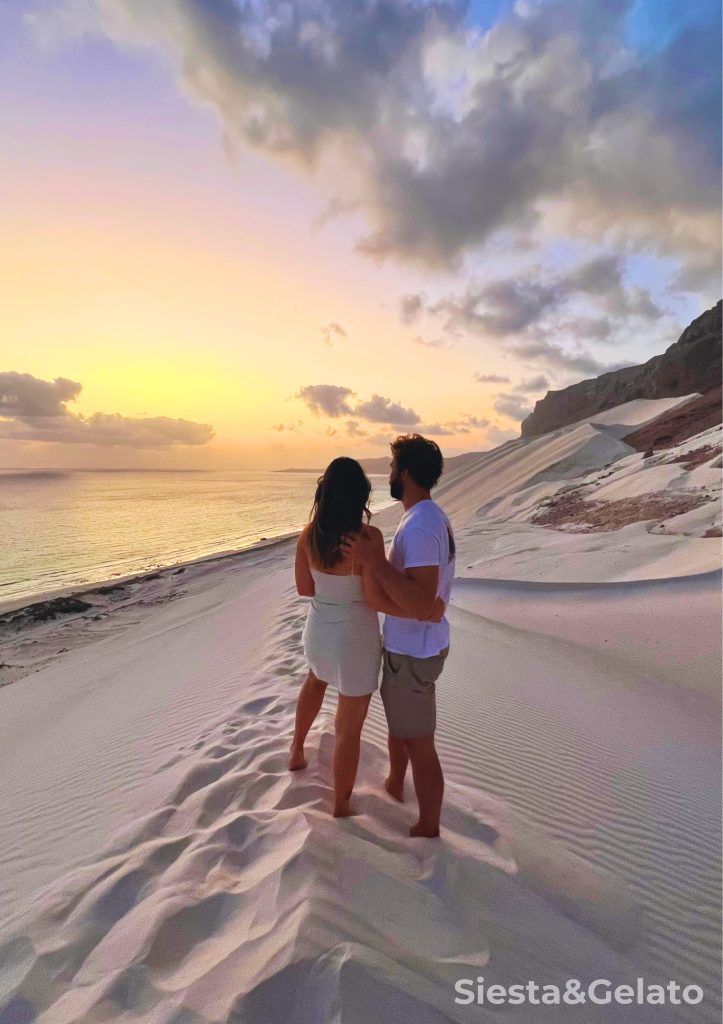
This spot is home to Socotra’s tallest sand dunes, reaching up to 300 meters!
These massive dunes were shaped by the strong monsoon winds that sweep across the island every summer.
day 6
Today, we woke up early to catch the sunrise from the top of the dune, an experience we didn’t want to miss!
The climb to the summit takes about an hour, but if you don’t feel like going all the way up, there are a few midway points where you can still enjoy stunning views. But if you make it to the top, the breathtaking panorama will make every step worth it!

Digub Cave
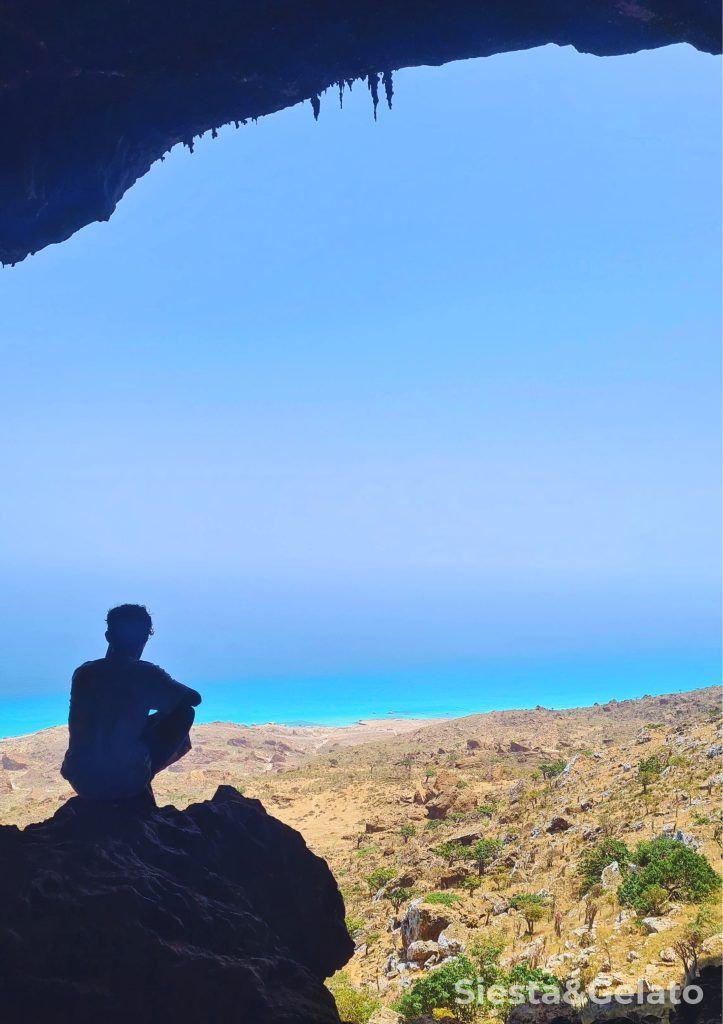
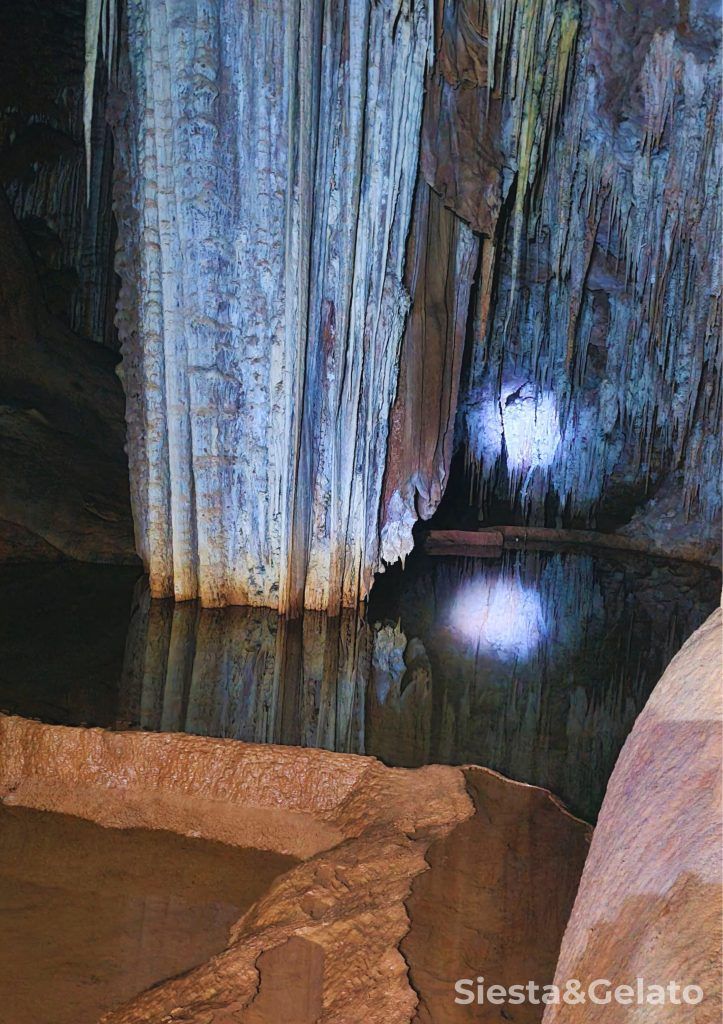
After our early morning dune hike, we set off to visit Digub Cave, a fascinating natural wonder filled with impressive stalactites and stalagmites. If you’re planning to visit, don’t forget to bring a flashlight—though if you don’t have one, your guide will likely provide it.
The hike to reach Digub Cave is quite challenging, with no shade along the way, making it one of the toughest parts of the trip. Many travelers skip it altogether and head straight to the beach to relax. But if you’re up for the adventure, make sure you’re in good physical condition and bring plenty of water and sunscreen. Personally, I even carried an umbrella for extra sun protection—it was a lifesaver!
day 7
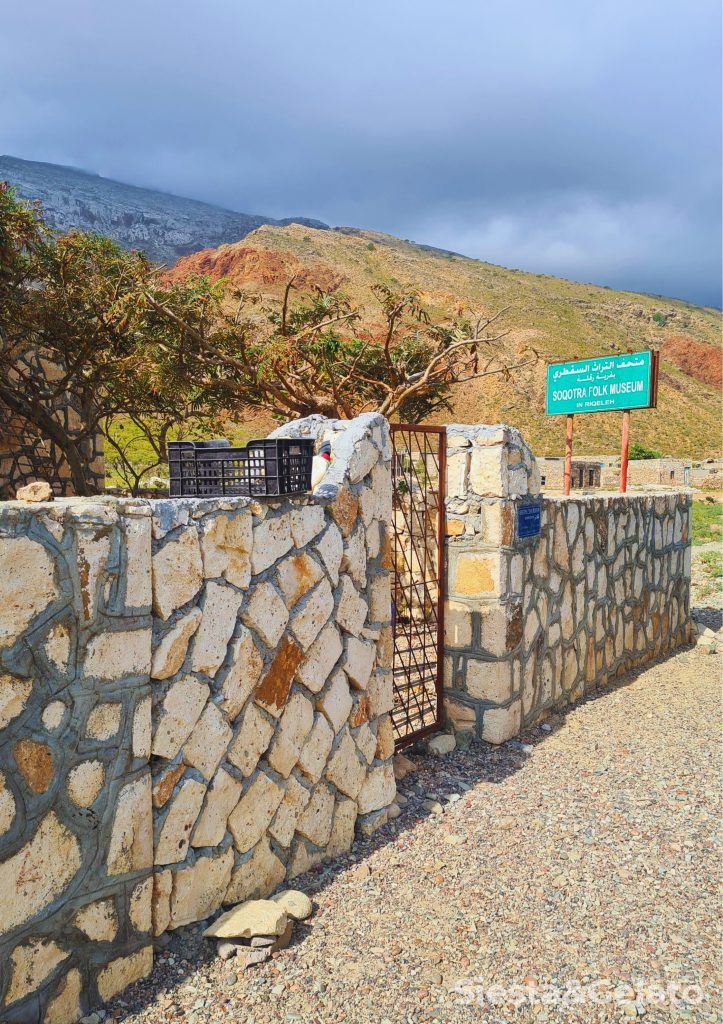
We started our day by visiting the Socotra Folk Museum a small and fascinating spot that offers a glimpse into the island’s unique culture and traditions. Inside, you’ll find traditional tools, artifacts, and photos showing the daily life of the Socotri people. It’s a great place to learn about local customs, ancient trades, and the island’s history.
After that we took a scenic drive to our next destination, Homhil.

Homil
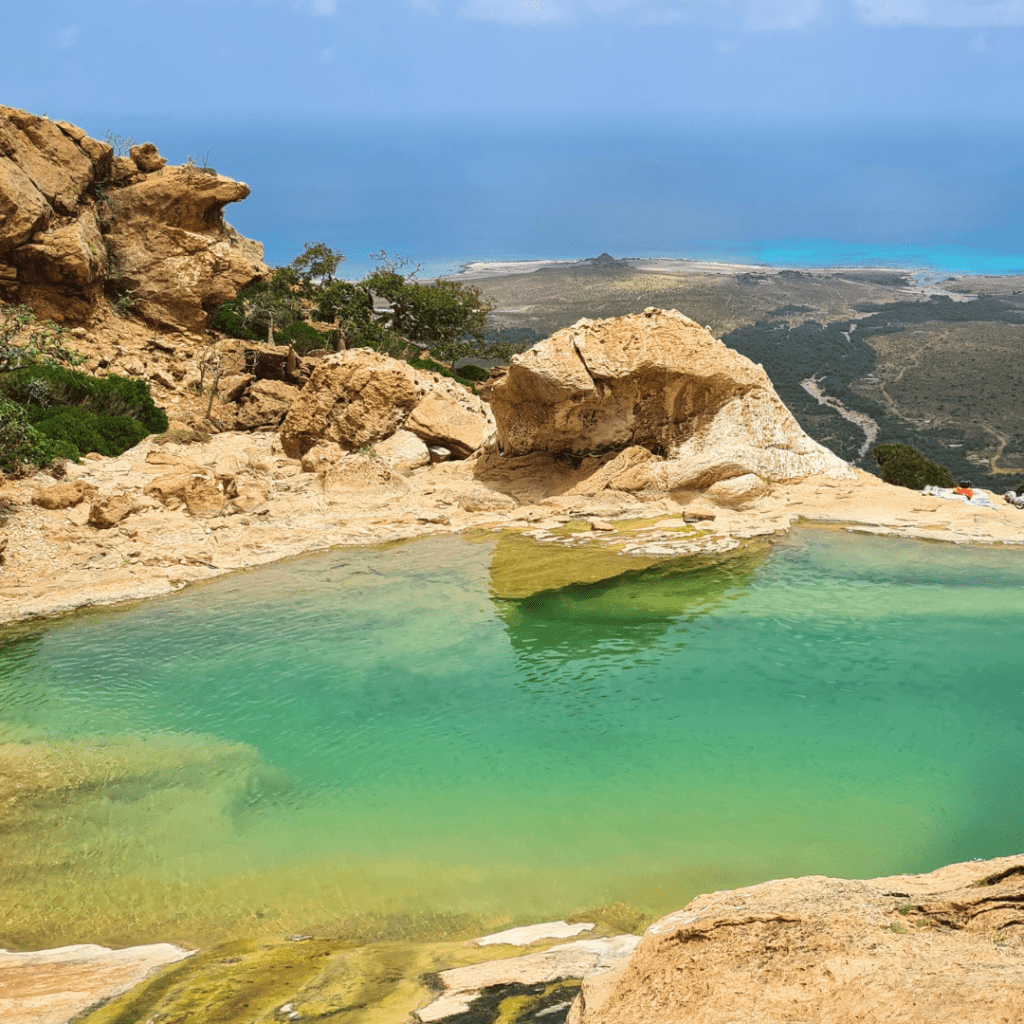
As soon as we got to the Homhil we started a short but exciting hike to the top! It might be a bit challenging, but nothing compare to the Digub Cave, and trust me, the views from the top are totally worth it.
Once you get there, you’ll find a natural “infinity” pool, shaped by nature over time. It’s a stunning spot where the pool seems to melt right into the horizon, blending perfectly with the Arabian Sea in the distance.
Dihamri Marine Reserve
After that, we headed to Dihamri Marine Reserve, where we’d be camping for the night.
Now it’s time to snorkel!
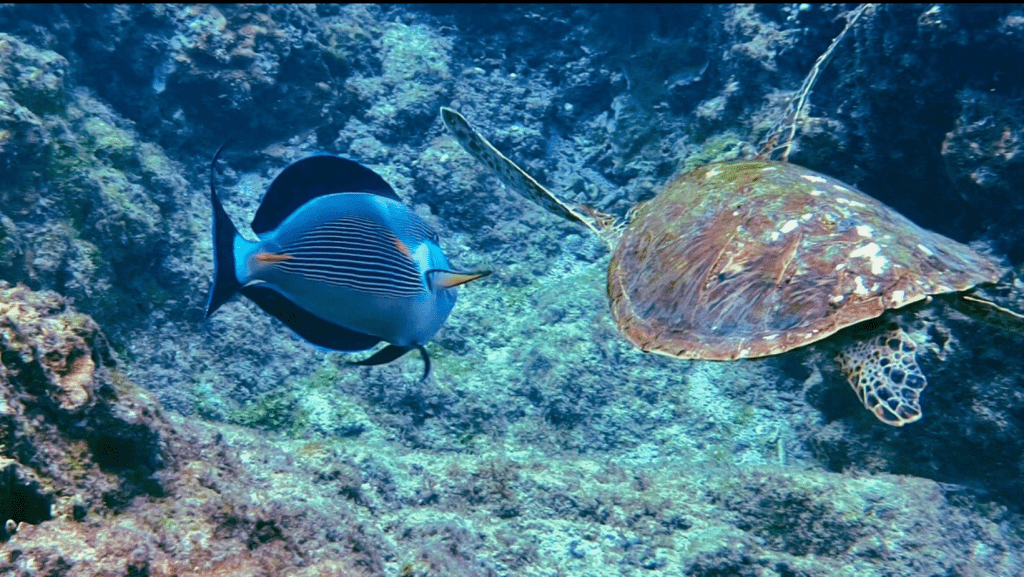
I’ve snorkeled in a few places before, but I’ve never seen anything like this. As soon as we entered the water, the shore was packed with corals and all kinds of colorful fish. We also spotted several turtles, two huge moray eels, and even a scorpion fish. It was definitely an unforgettable experience!
Hadibo
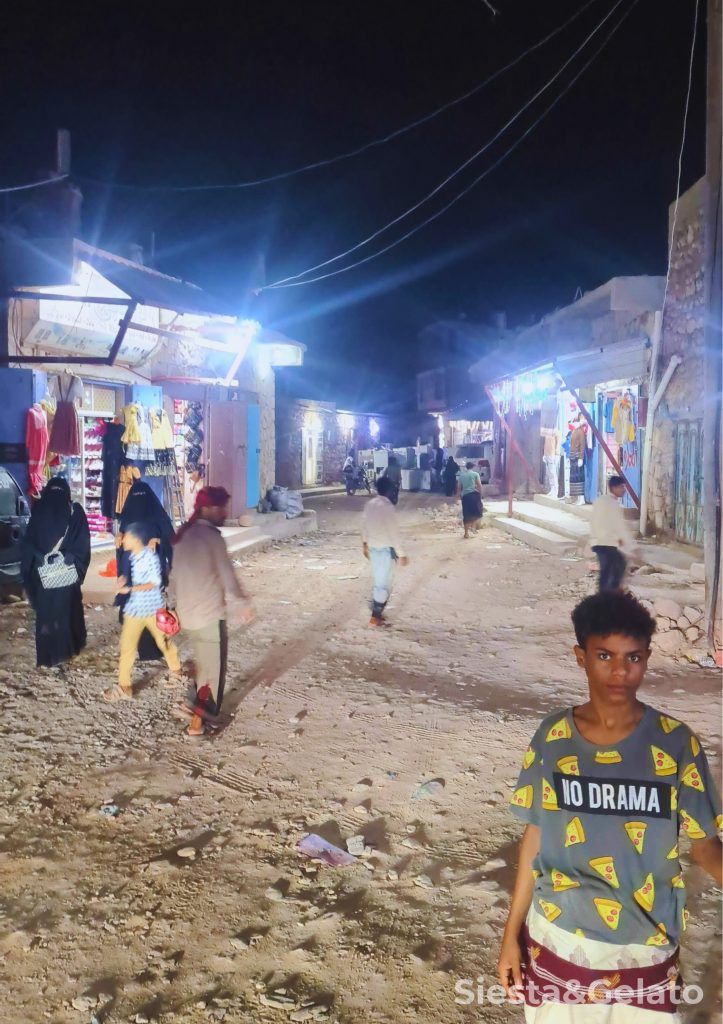
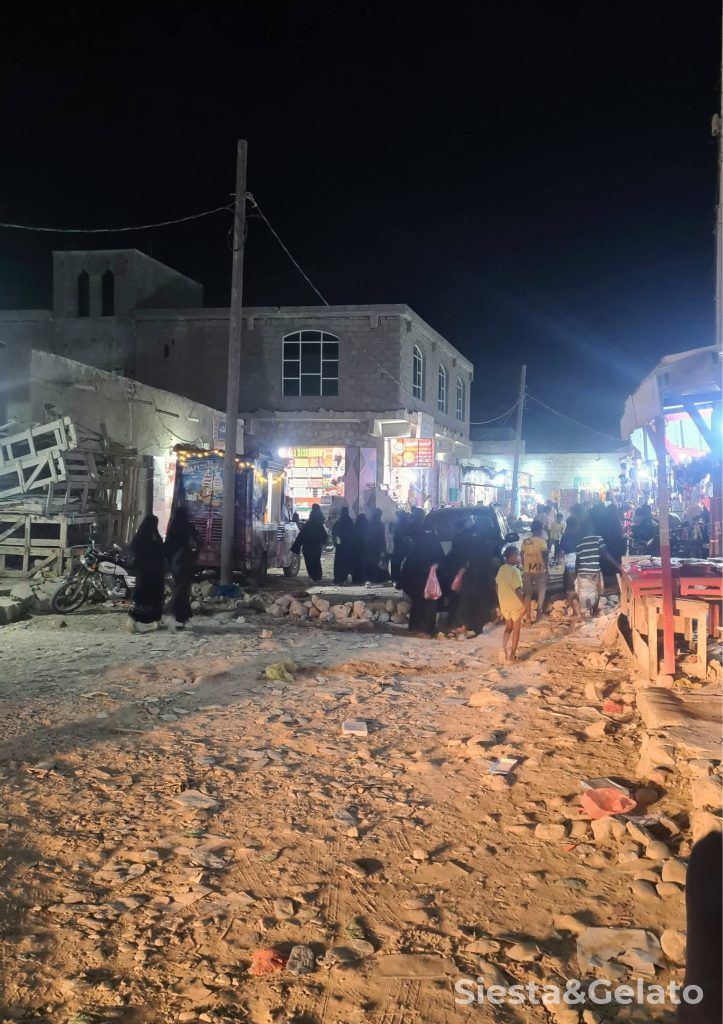
To wrap up our trip, we visited Hadibo, the capital of Socotra.
It was such an interesting experience to see how the locals live and what they get up to in the evening. The city was buzzing with life, with people out and about on the streets. We really enjoyed soaking in the atmosphere and getting into rhythms of the island.
Final Questions
How to dress
As you’ll be spending 90% of your time in the wild, you don’t need to follow any particular dress code.
However, Socotra is part of Yemen, which is a Muslim country, so dressing modestly is recommended when visiting the capital, Hadibo, or any village along the way. Locals will appreciate it if you cover your shoulders and avoid wearing shorts.
How to get food in Socotra?
You don’t need to get food in Socotra s everything will be provided by your guide.
Do I need a travel insurance to visit Socotra?
No matter where you travel, having travel insurance is essential.