





Visit Tokyo in 4 days: best things to do and travel tips
Visit Tokyo, where ancient traditions meet futuristic skylines—a city of contrasts where you can start your day at a serene temple and end it under the neon glow of Shibuya.
Whether you’re here for the food (trust us, you’ll eat so well), the culture, or the non-stop nightlife, Tokyo is packed with unforgettable experiences.
As Japan’s vibrant capital, it’s huge, fast-paced, and overflowing with must-see spots. With so much to explore, planning your trip can feel overwhelming—especially if you’re short on time.
That’s why we’ve put together the ultimate 4-day Tokyo itinerary to help you make the most of your visit.
And the best part? No matter how many times you go, Tokyo always has something new waiting for you!

Table of contents
Day 1: Shibuya & Shinjuku
We arrived in Tokyo in the afternoon, and after checking into our hotel, we went straight to explore Shibuya!
shibuya
This district is one of Tokyo’s most vibrant spots you’ll find while visiting Tokyo. A mix of fashion, entertainment, and electric city vibes. It’s home to the famous Shibuya Crossing (aka the busiest pedestrian crossing in the world), the iconic Hachiko statue, and endless shopping malls where the latest Japanese trends come to life. Shibuya is constantly evolving, so there’s always something new to discover!
Of course, we were so excited to see Shibuya Crossing that we headed straight there.
🚦 The Shibuya Crossing Experience
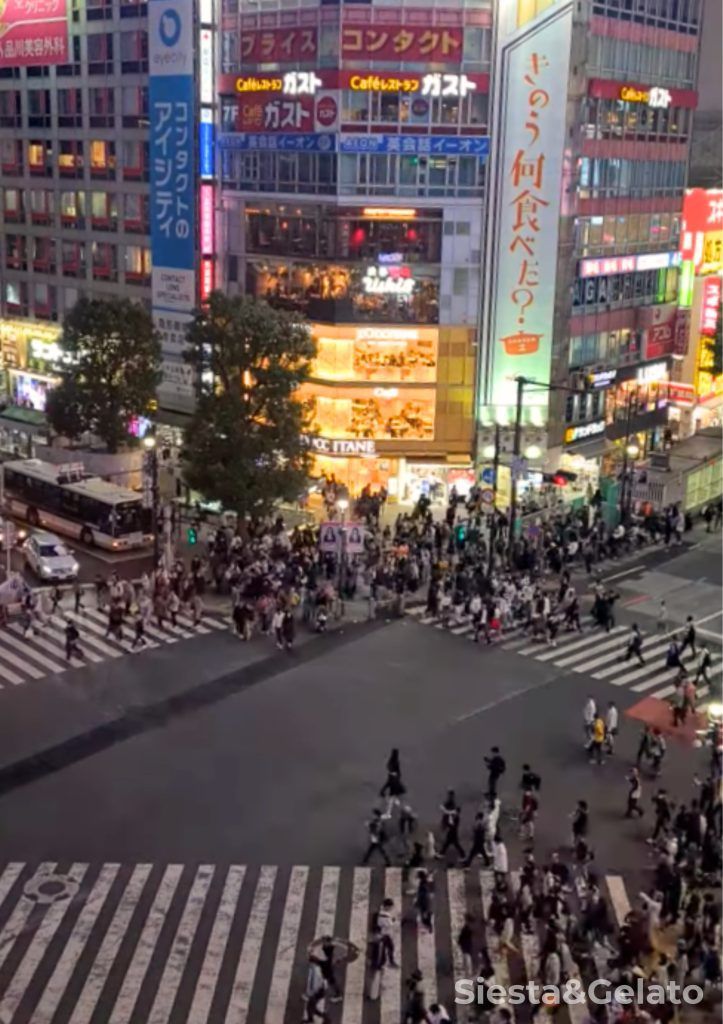
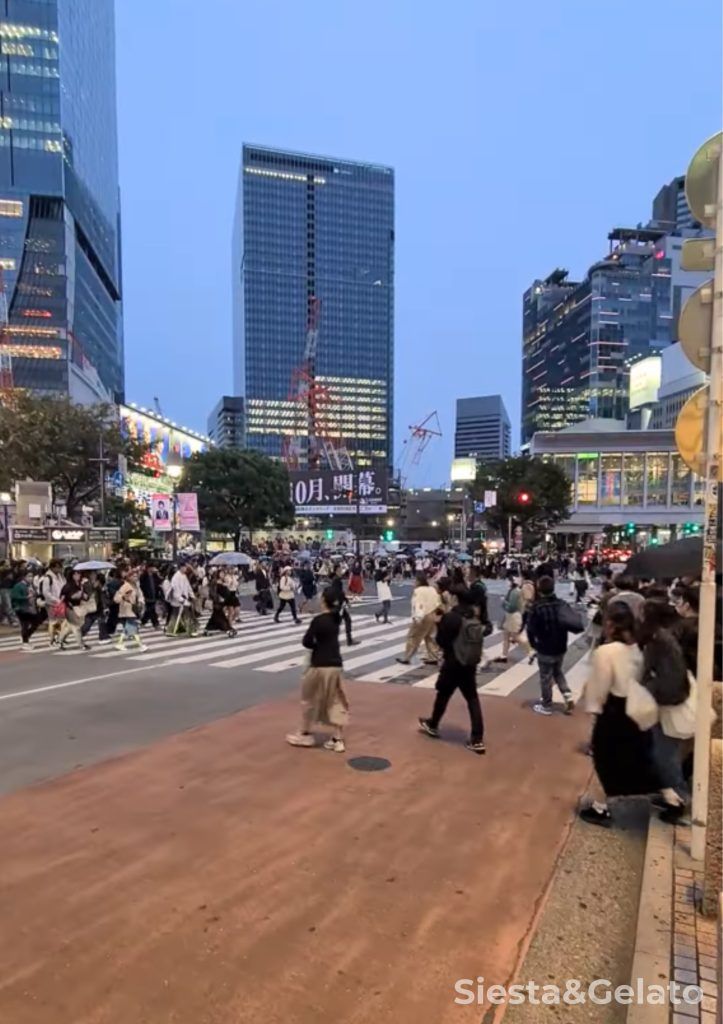
Shibuya Crossing isn’t just a place—it’s an experience! The moment the lights turn green, hundreds of people flood the streets in every direction, creating this incredible, fast-paced rhythm. It’s chaotic, but in the best way possible!
Did You Know?
Over 500,000 people cross Shibuya Crossing every single day! That’s more than the entire population of Iceland walking through this intersection daily! At peak hours, up to 3,000 people cross at the same time—talk about organized chaos!
After crossing a couple of times (because once is never enough! 😂), we wanted to see it from above. Our first stop? The Starbucks in the Tsutaya building, right in front of the station. Sadly, it was packed—no surprise there! We already heard from other travellers that it was hard to get a spot there.
Luckily, there are plenty of spots to watch the crossing from above, and one of the best is Rooftop Lounge MAG8.
Located on top of Magnet by Shibuya 109, this rooftop offers an amazing panoramic view of the Scramble Crossing, whether you visit by day or night.
💰 Entrance: 1,800 yen (approx. €11 / $12), including a drink
⏰ Opening hours: 10:00 – 22:00 (last entry at 21:30)
☕ Bonus: You can grab a snack or drink while enjoying the view!
You can check their website for updated closures/opening times.
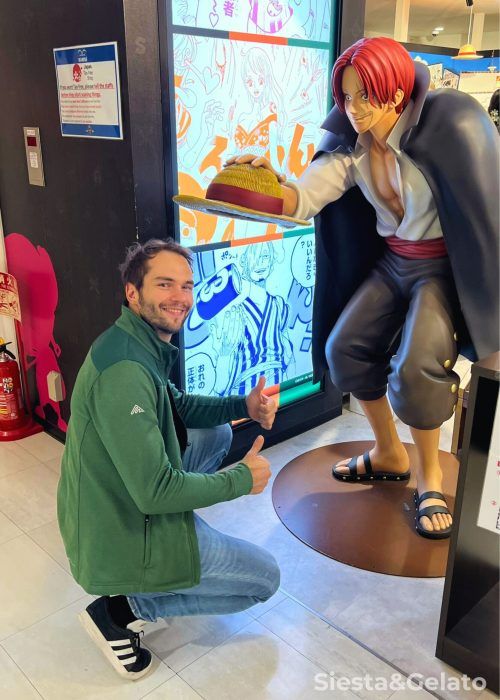
 If you’re a One Piece fan, you’re in for a treat! Shibuya is home to the ONE PIECE Straw Hat Store, a must-visit for any die-hard fan. Here, you’ll find exclusive merch, figures, and collectibles featuring Luffy and the crew. You can even get a stamp for your stamp book.
And let me tell you… this might just be the store of dreams for some boyfriends and husbands!
As you can see in the photo, mine was absolutely in his element… If you have a One Piece fan in your life, be prepared to spend some time (and yen!) here!
Shinjuku
Located on the west part of Tokyo, Shinjuku is one of the city’s administrative hubs and a top tourist destination when you visit Tokyo.
It’s packed with skyscrapers, shopping malls, department stores, restaurants, izakaya, cinemas, karaoke, pachinko, and endless entertainment options.
Shinjuku Station is the world’s busiest train station, according to the Guinness World Records, handling an average of 3.64 million passengers daily, Its massive size makes it easy to get lost when trying to exit.
Generally, the west side of the station is more administrative, while the east side is known for entertainment and nightlife.
Here we visited the historic Omoide Yokocho district and the iconic Kabukicho
Omoide Yokocho
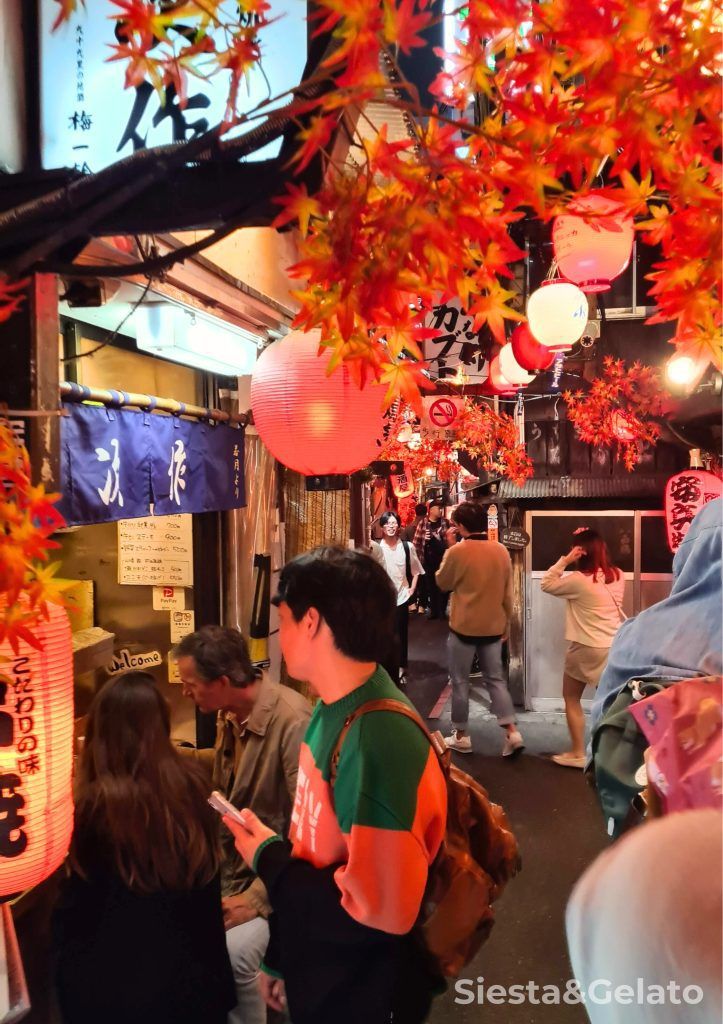
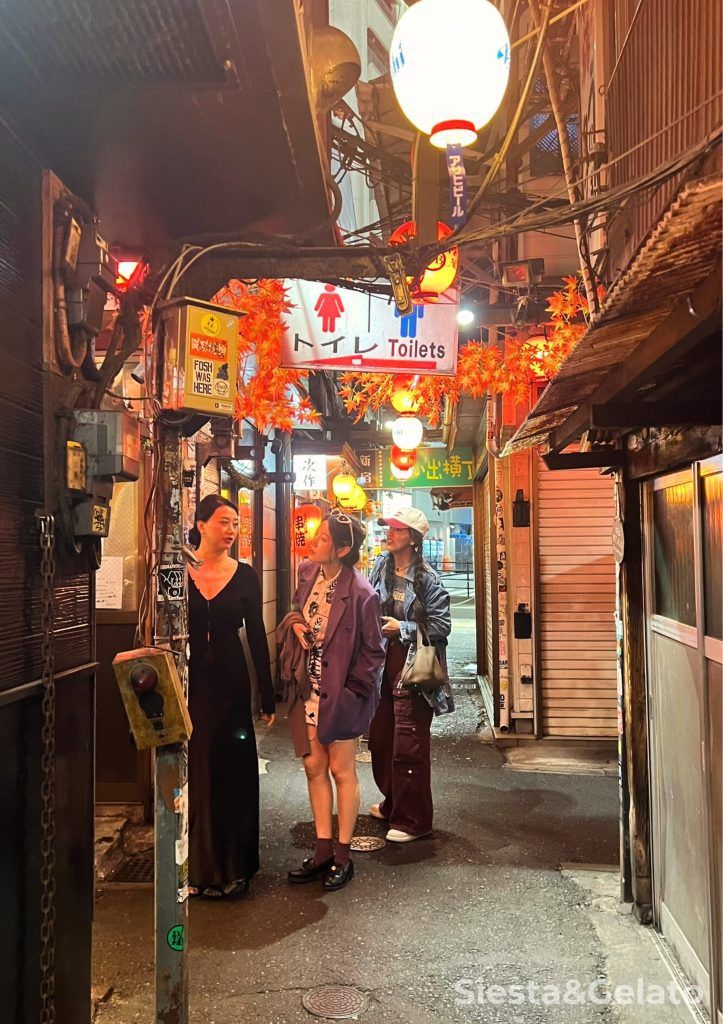
Tucked away near the west exit of Shinjuku Station, Omoide Yokocho (which literally means “Memory Alley“) is a maze of tiny alleyways lined with around 70 pocket-sized bars and eateries. This place has a fascinating history—it started as a post-war black market, and over the years, it’s evolved into one of Tokyo’s most atmospheric food spots. If you visit Tokyo, this is a must-see!
Most of the stalls specialize in yakitori (grilled chicken skewers), with menus ranging from the classic chicken-and-spring-onion combo to more adventurous options like crispy skin and rich liver. In the winter, many places also serve oden, a stew with ingredients like daikon radish, fish cakes, and boiled eggs simmered in a light dashi broth.
We stopped by one of the alley’s tiny eateries to try Shamoji Tsukune, a juicy chicken meatball skewer served with tare sauce and other snacks. Sometimes it’s difficult to remember all the names and know exactly what you’re eating, but that’s part of the adventure—and honestly, it’s what we enjoy the most!
If you’re feeling really adventurous, there’s always Asadachi, known for its more “unusual” offerings—think frog sashimi and pig testicles.
Kabukicho
Right in the heart of Shinjuku, Kabukicho is Tokyo’s buzzing entertainment district, packed with neon lights, izakayas, and over-the-top themed spots. Some guides make it sound off-limits, even calling it “dangerous” because of the Yakuza’s historical ties to certain businesses in the red-light district. But honestly? As a tourist, you won’t notice a thing—it’s perfectly safe to walk around and soak in the chaos.
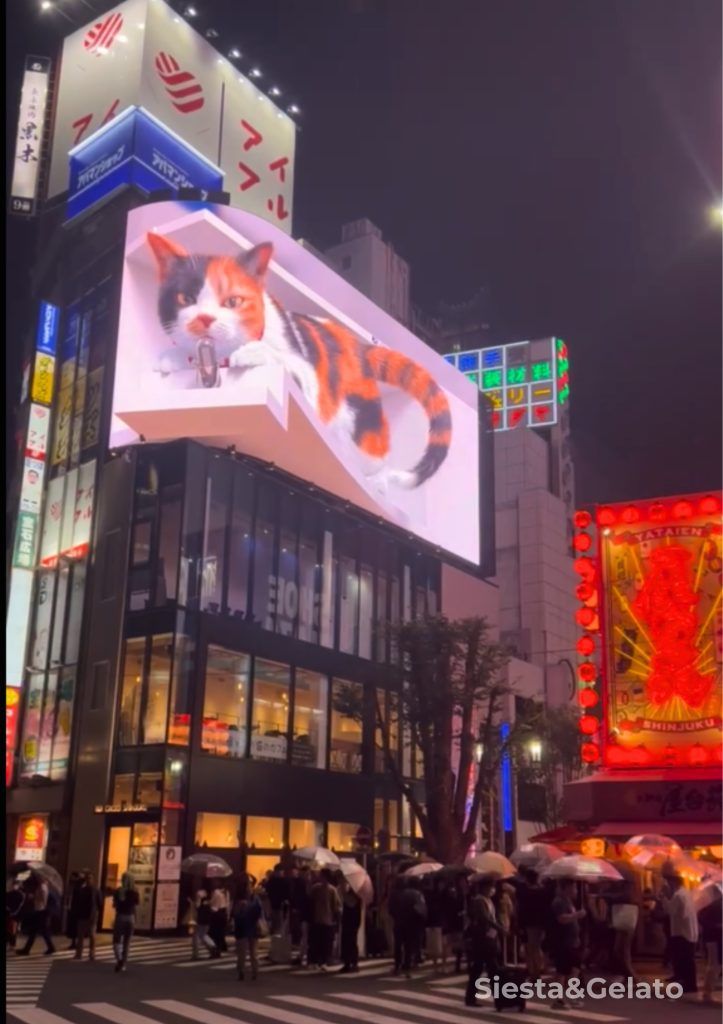
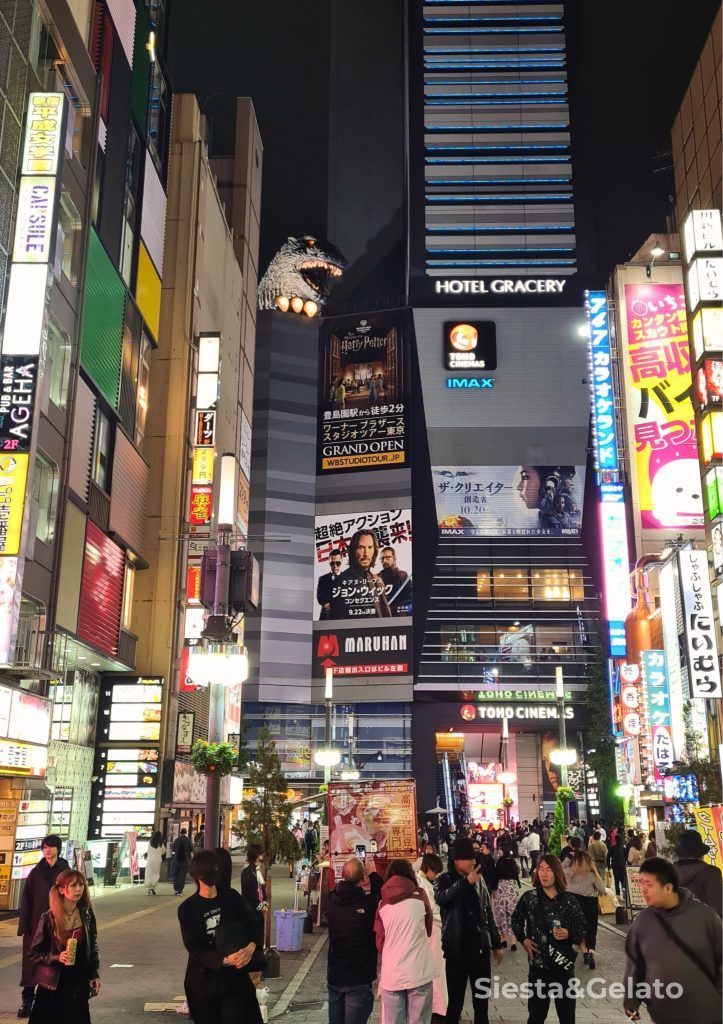
One of Kabukicho’s most famous residents is the Godzilla Head, towering over the streets from the Shinjuku Toho Building. But if we’re talking about giant creatures, my personal favorite is the Shinjuku Cat Billboard—a 3D screen with a ridiculously realistic giant cat that pops up throughout the day.
Now, let’s talk about claw machines—because this is where I had to be physically dragged away from them. Fede swears they’re rigged, but I refused to give up hope of winning a giant Snorlax. Spoiler: Snorlax remains undefeated.
Anyway, this is the kind of place where you can easily lose track of time—whether you’re hopping between arcades, testing your luck on claw machines, or just staring up at the massive billboards that make it feel like daytime, even in the middle of the night.
Day 2 TeamLab & Sotokanda
team lab planet / BorderLess
There are actually two TeamLab exhibitions in Tokyo—Planets and Borderless. When we were there, Borderless was closed for maintenance, but it’s now reopened! If you’re thinking of going, book your tickets in advance because they can sell out fast.
It’s an amazing experience and also a solid Plan B if the weather turns bad. We originally had tickets for another day, but when the forecast predicted rain, we swapped plans and did it then—something you can do with your ticket options. Super handy!
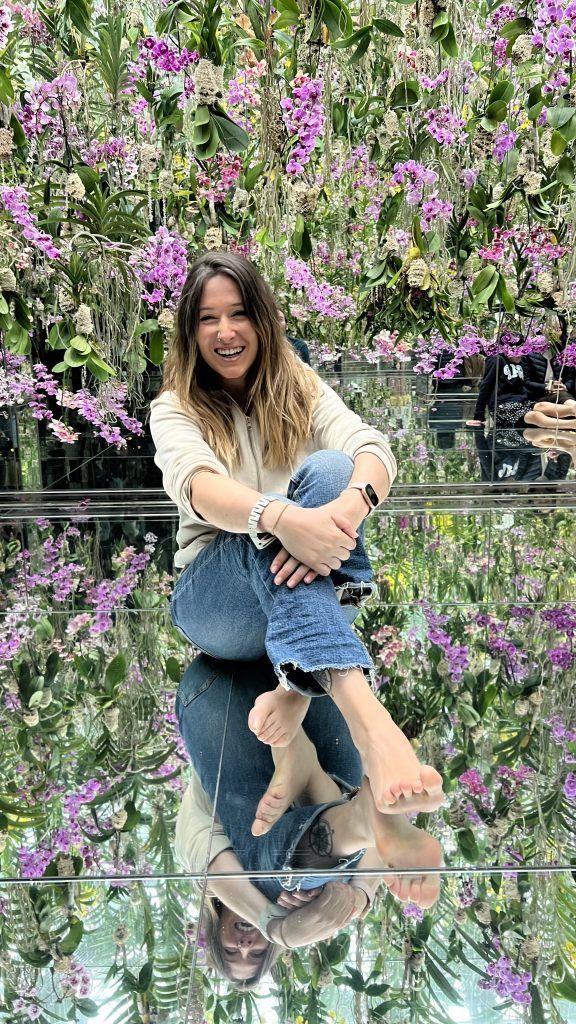
We don’t know about Borderless, although we heard people say it’s great, but TeamLab Planets is definitely a must-do—an immersive digital art museum in Toyosu, near the city’s wholesale market. It originally began as a successful exhibition in 2016 and later expanded into a 10,000-square-meter space that aims to dissolve the boundaries between the body and art. The museum opened in July 2018 and planned to close after the Tokyo 2020 Olympics. However, due to its massive popularity, it will stay open until 2027.
The museum features four main exhibition spaces and seven unique artworks, all designed to be experienced barefoot, making the immersion even more intense.
teamLab Planets
📅 Opening Hours: Daily | 🕘 9:00 AM – 10:00 PM (Last entry: 9:00 PM)
🎟️ Admission:
Adults (18+): ¥4,000 (approx. €25 / $27)
Students (13-17 years): ¥2,800 (approx. €18 / $19)
Children (4-12 years): ¥1,500 (approx. €9.50 / $10)
Children under 3: Free
Disability Discount: ¥2,000 (approx. €12.50 / $13.50)
📌 Where to Buy: Tickets must be purchased online in advance. Book here.
🔄 Ticket Changes: You can modify your ticket up to 3 times, no later than 2 hours before admission.
🔍 Tip: This is a barefoot experience, so wear easy-to-remove shoes! Also, it’s a great backup plan for rainy days, as you can reschedule your ticket if needed! 😊
teamLab Borderless
📅 Opening Hours: Daily | 🕘 10:00 AM – 9:00 PM (Last entry: 8:00 PM)
🎟️ Admission (varies by date):
¥3,600 – ¥5,600 (approx. €22.50 – €35 / $24 – $38)
📌 Where to Buy: Online booking recommended as tickets sell out quickly. Book here.
🔍 Tip: Borderless was closed for maintenance when we visited but has now reopened! Make sure to book in advance as tickets can sell out fast. Also, double-check the date-based pricing before purchasing! 😊

After visiting teamLab, we went full nerd mode!
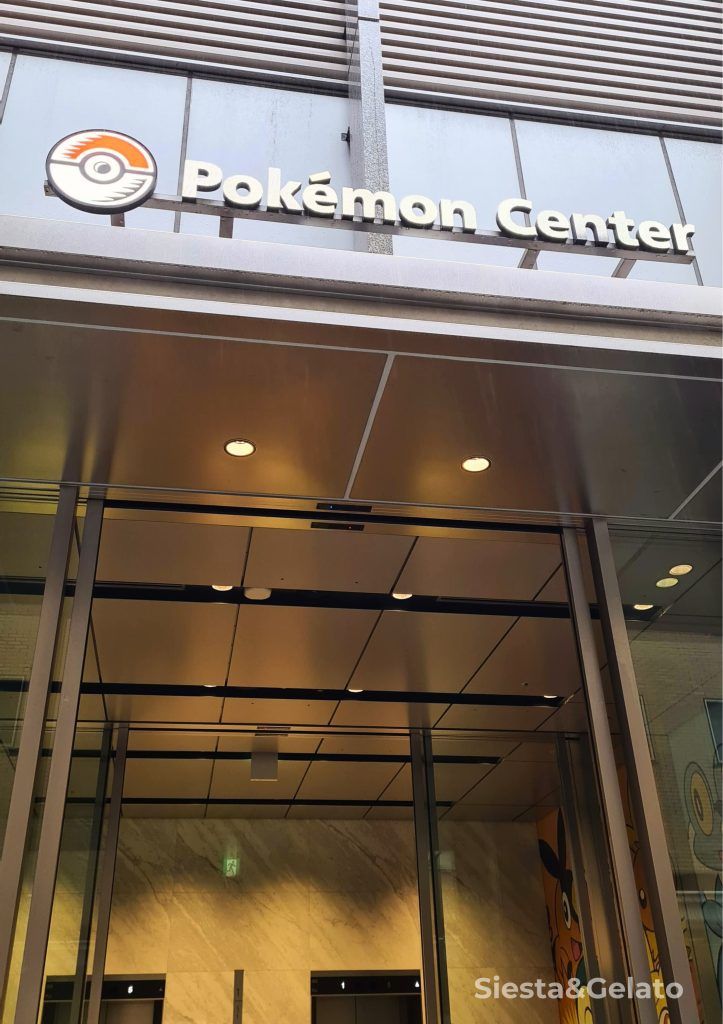
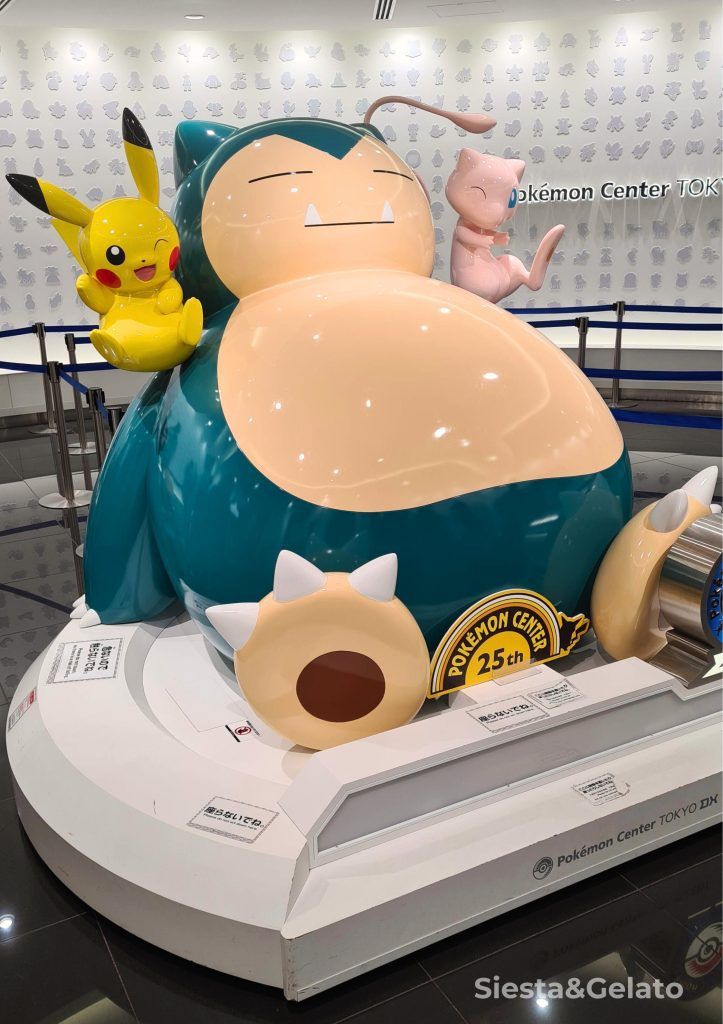
First stop: the Pokémon Center, where we got lost in a world of collectibles and nostalgia. If you have Pokémon-loving friends and family, this is the perfect place to grab some gifts… or, let’s be real, just treat yourself (shhh, no one needs to know it’s all for you haha).
Also, just a heads-up—the Pokémon Café is here too, but if you don’t book WAAAAY in advance, be ready to queue forever. In our opinion, it’s a bit overpriced, so we skipped it. But if you’re a die-hard fan, it might still be worth the experience!
📅 Opening Hours:
🏬 Pokémon Center DX | 🕘 10:30 AM – 9:00 PM (Follows Nihombashi Takashimaya S.C. business hours)
☕ Pokémon Café | 🕘 10:30 AM – 10:00 PM
🎟️ Booking Tip for Cafe:
Pokémon Café slots open at 6:00 PM, 31 days in advance. However, don’t assume the webpage adjusts for your time zone! The 6:00 PM you see online refers to local time in Japan—plan accordingly to snag a spot!
🔍 Tip: If you’re planning to visit, it’s always a good idea to check the official website for any updates on hours or special events! 😊
Then, we took a breather at the 2D Café, enjoying a coffee in its quirky, hand-drawn setting. You can also try their 2D cake, though it can run out quickly! Visiting themed cafés is one of Tokyo’s favorite pastimes, and it’s all part of the city experience.

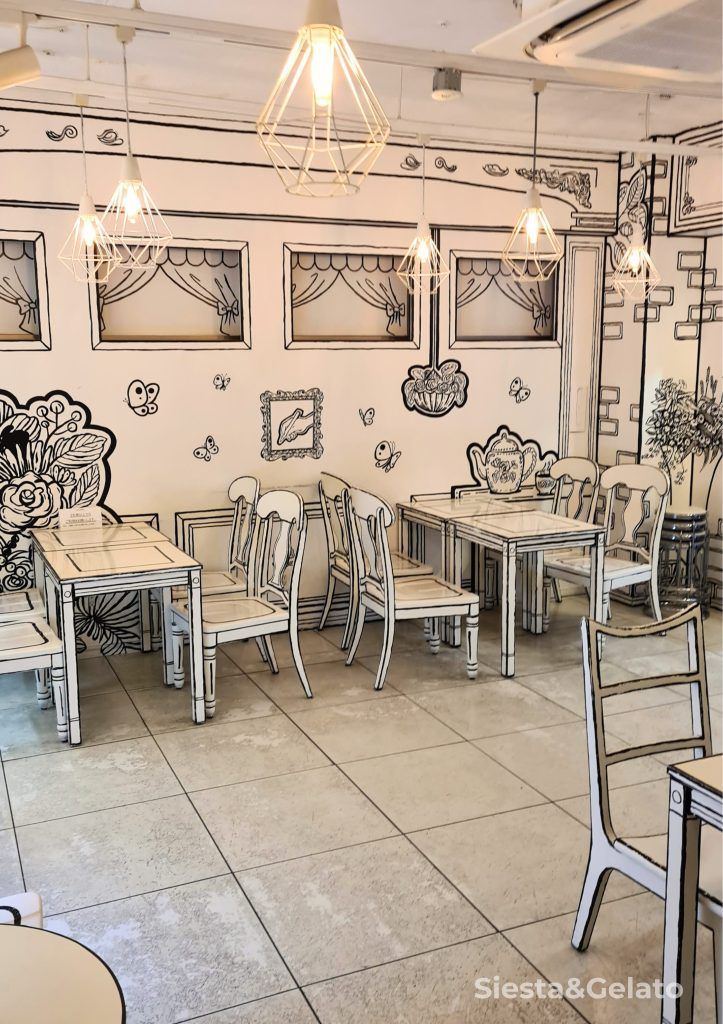
📍 2D Café – Tokyo
📅 Opening Hours:
☕ Daily | 🕘 11:00 AM – 10:00 PM
📌 Address: 1 Chome-7-5 Hyakunincho, Shinjuku City, Tokyo 169-0073, Japan
Akihabara
Our adventure continued in the heart of Akihabara, the ultimate playground for anime, manga, and retro gaming lovers. 🎮✨
We wandered through multi-story shops packed with collectibles, flipping through stacks of manga and eyeing vintage consoles. At one point, I almost walked out with a Nintendo SNES (the nostalgia was real), while Fede was busy playing around with the retro setups, fully lost in childhood memories.
Honestly, this is the perfect way to spend a rainy day in Tokyo—just hopping from store to store, geeking out over all the treasures inside!

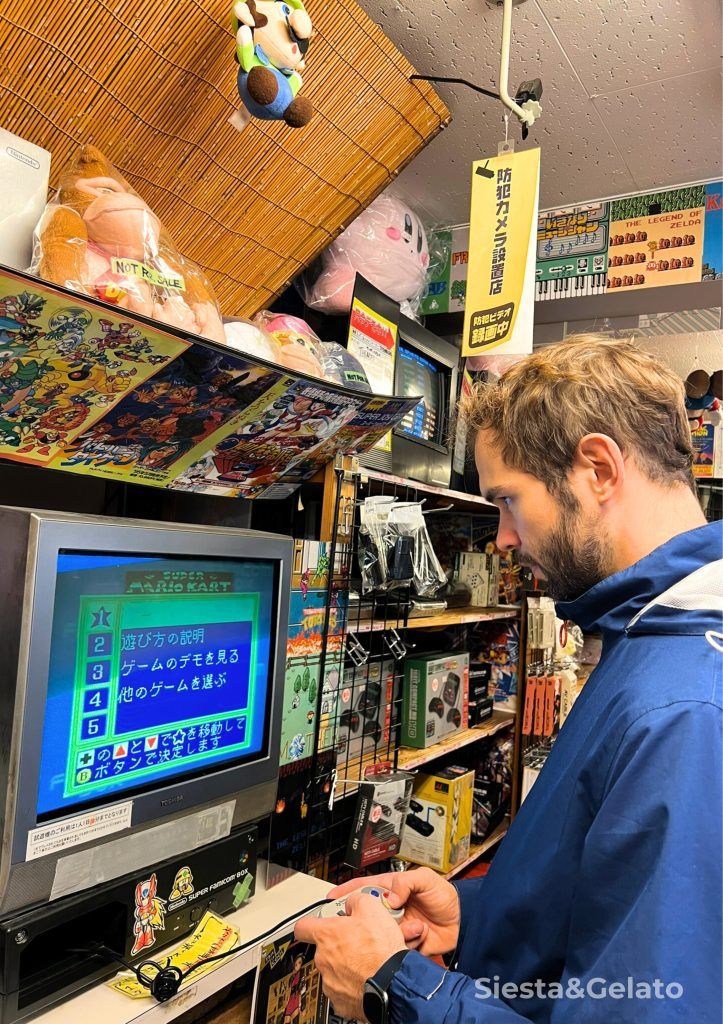
Did You Know?
If you’re into classic video games, you can’t miss Super Potato in Akihabara. This legendary shop is a treasure trove of vintage consoles, rare cartridges, and gaming memorabilia. Think Famicom, Super Nintendo, Game Boy, and even arcade machines you can play on the top floor!
📍 Super Potato – Akihabara
🏬 Address: 3F/4F/5F Kitabayashi Building, 1-11-2 Soto-Kanda, Chiyoda-ku, Tokyo 101-0021, Japan
🔍 Tip: Some items can be pricey and you might find similar items for cheaper prices at other stores, but if you’re a collector (or just feeling nostalgic), it’s worth a browse – I wish I had brought my old Tamagotchi to sell! Even if you’re not buying, just soaking up the retro vibes is an experience in itself! 🎮✨
Day 3: Sumo & Temples
sumo experience
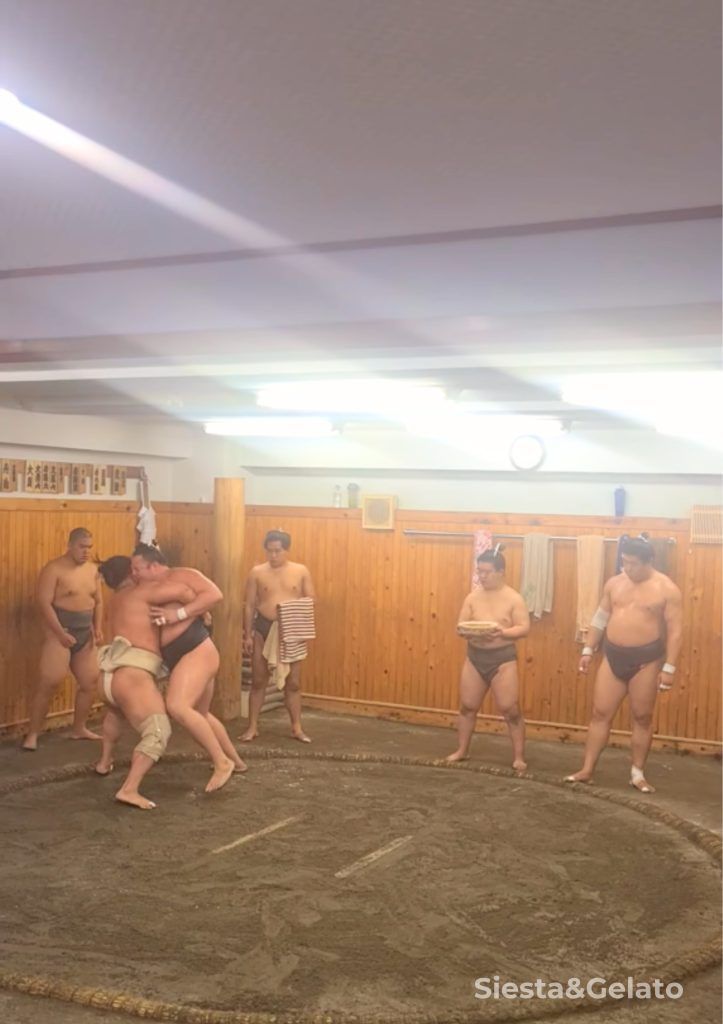
We started our day by heading to Arashio Stable to watch sumo practice, and it turned out to be an incredible experience.
We didn’t expect it, but witnessing the intense training, rituals, and discipline of sumo wrestlers up close was truly fascinating. We never realized just how massive and powerful sumo wrestlers are until I saw one up close!
Watching the practice is free, and if you arrive early, you can sit inside to observe, otherwise, you can still watch through the large window from outside.
Practice time: Daily from 7:30 AM to 10:00 AM.
There is no practice during tournaments, which usually run for 15 days each in January, May, and September.
 .Try to be quiet while watching, as sumo wrestlers prefer to practice in silence.

Meiji Jingū
Tucked away in the heart of Tokyo, Meiji Jingū feels like a world apart. This stunning Shinto shrine, built in 1921, honors Emperor Meiji and Empress Shōken, who played a key role in modernizing Japan during the Meiji Restoration. The city rebuilt the shrine in 1958 after WWII destroyed it, and today, it remains one of the most peaceful and spiritual spots.
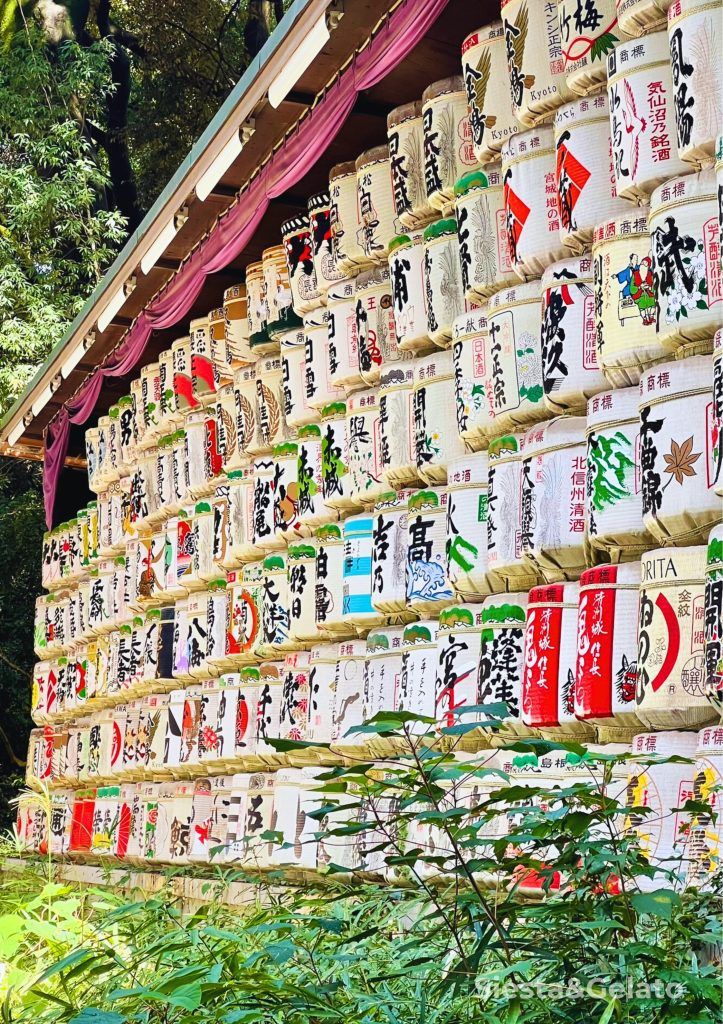
As we stepped through the massive wooden torii gate, we noticed the sixteen-petal chrysanthemum crests, a symbol of the imperial family. Walking along the Minami-sandō path, we stumbled upon an impressive wall of sake and wine barrels—the sake is offered annually by Japanese brewers, while the wine is a gift from French wineries, honoring the emperor’s love for Burgundy wine (who knew?!).
After passing the barrels, you will arrive at the largest torii gate in Japan—12 meters tall and 17.1 meters wide, carved from a 1,500-year-old cypress. Before stepping into the shrine’s inner grounds, we took a moment at the temizuya to perform the water purification ritual.
Even if you’re not religious, it’s a simple yet meaningful gesture of respect: Wash your left hand, then your right, and finally rinse your mouth (but don’t drink the water!).
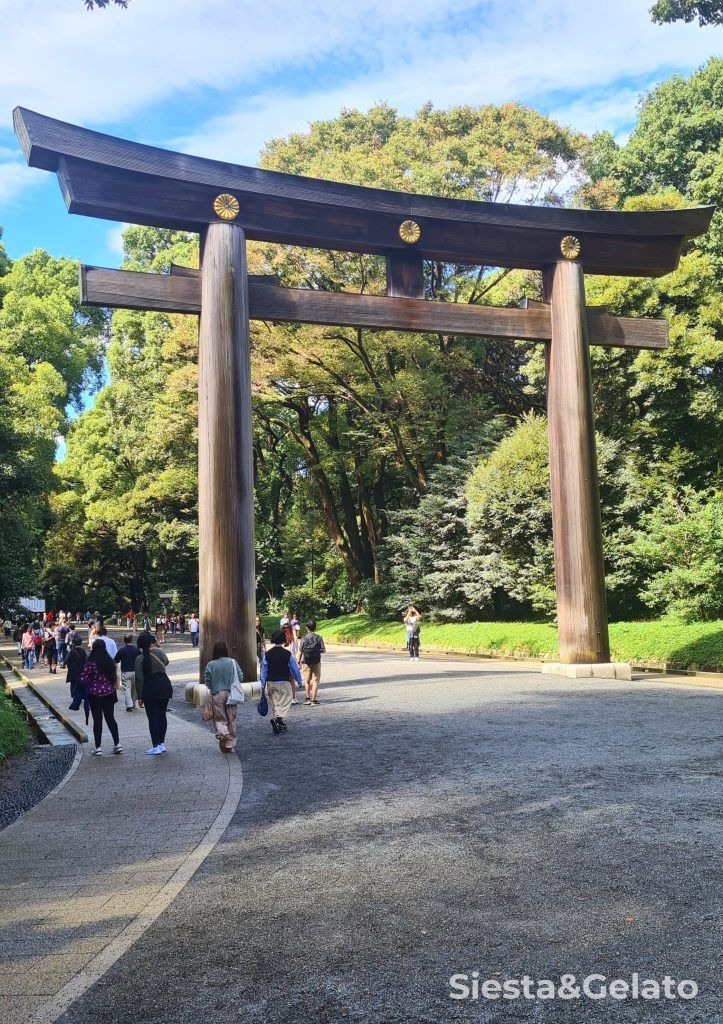
Traditional Wedding Processions – On weekends, you might witness a Shinto wedding ceremony, where a couple dressed in traditional attire walks through the shrine grounds.
🔍 Tip: Saturdays and Sundays are the best days to catch a glimpse of a traditional Shinto wedding.
📅 Opening Hours: Varies by season, usually sunrise to sunset
🎟️ Admission: Free
🔍 Tip: Visit in the morning for a more peaceful experience before the crowds arrive! 😊
Harajuku
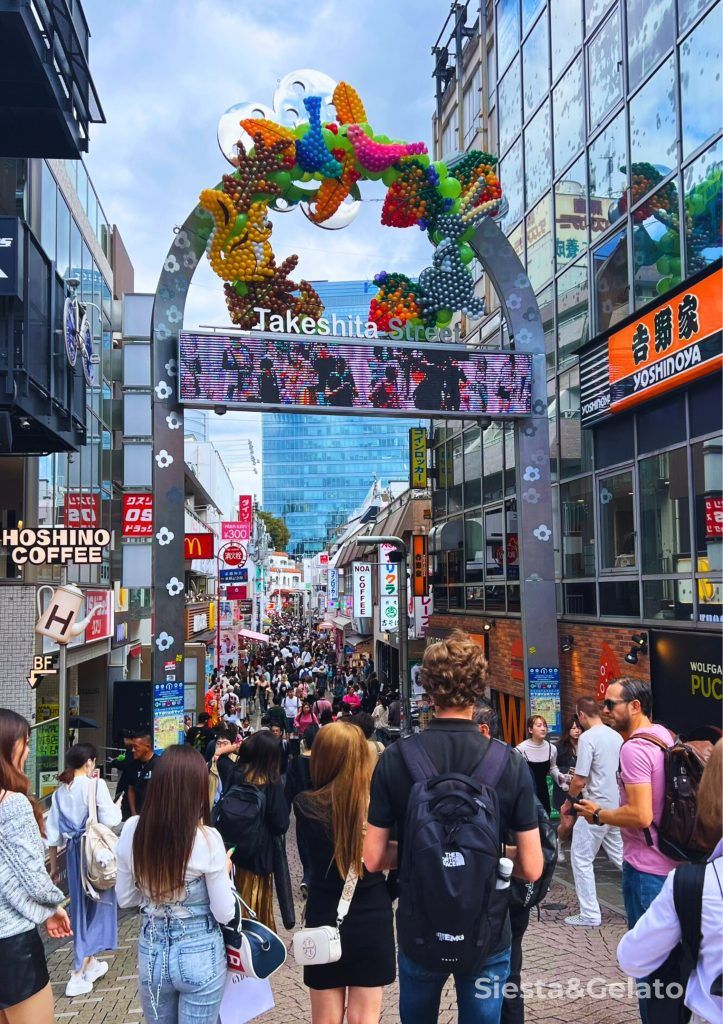
Close to Meiji Jingu, we find Harajuku, the ultimate street fashion hub of Tokyo! From here, you can make your way straight to Takeshita-dori, the iconic street that’s a must-visit for anyone looking to explore Tokyo’s youthful vibe and unique fashion scene.
This 400-meter pedestrian street is bursting with trendy boutiques, quirky idol shops, and vibrant street food that’s as fun to look at as it is to eat. Harajuku is the birthplace of various Japanese subcultures, from kawaii fashion to gothic styles, so it’s the perfect place for people-watching. But let’s be real, the real star here is the street food—or at least it was for us.
We tried giant sticks where they had stretched an entire potato. I swear I was hypnotized watching them prepare it. Cheese snacks shaped like coins, cotton candy bigger than your head—absolute madness!
What’s cool about Harajuku is that, unlike most parts of Japan where eating while walking is frowned upon, here it’s actually pretty common—though locals still tend to step aside for messier snacks. 😊

Sensō-ji
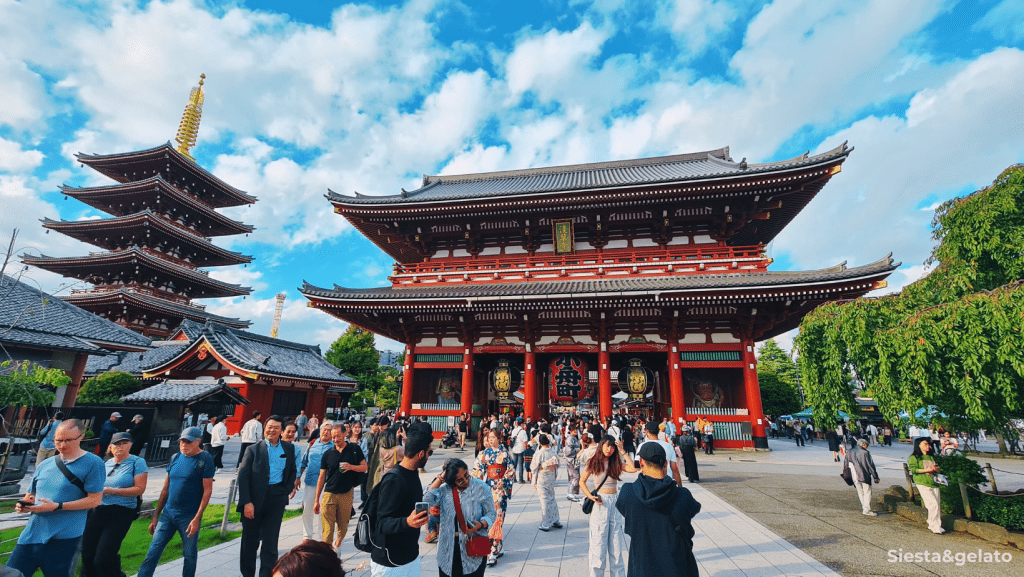
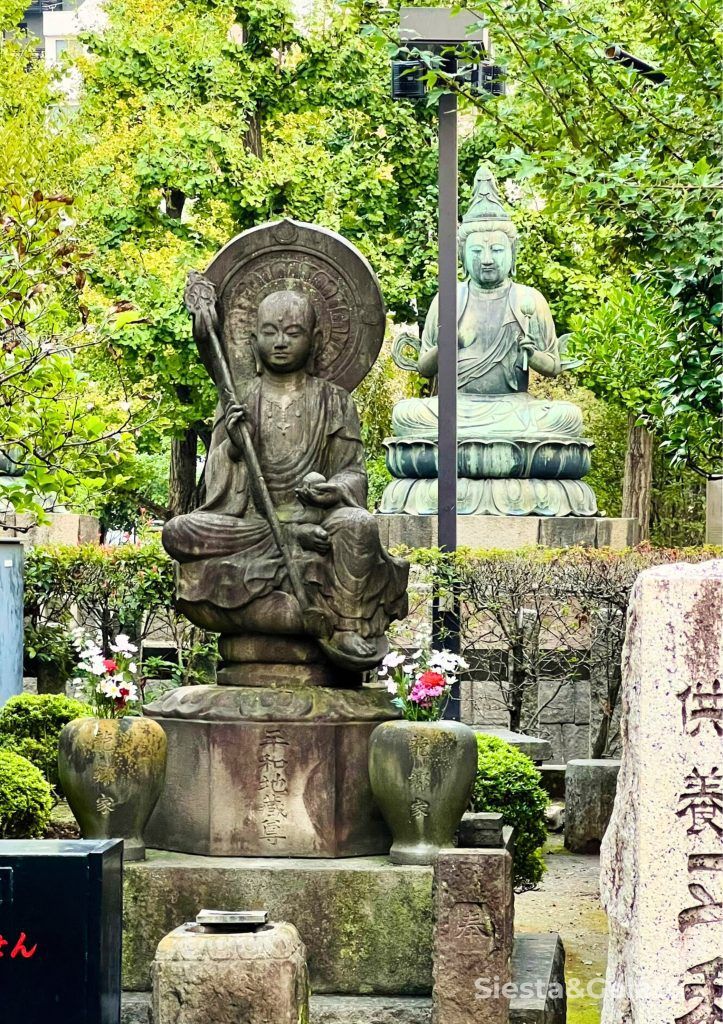
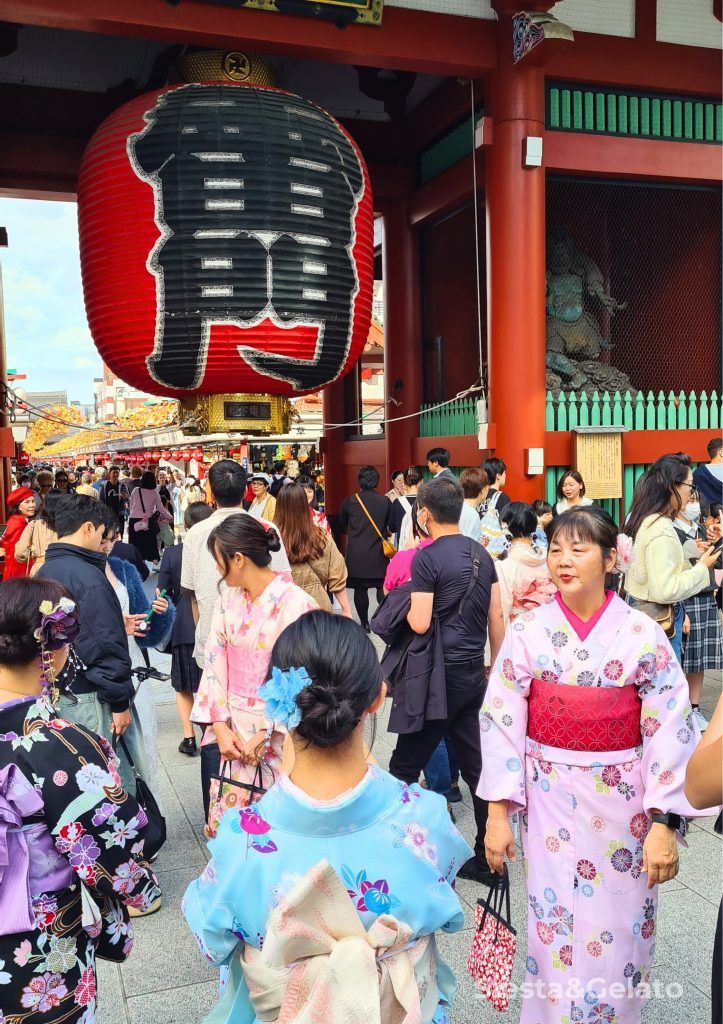
Sensō-ji Temple is a must-visit when you’re in the Asakusa district. Dating all the way back to 628 AD, it’s Tokyo’s oldest and most iconic temple, dedicated to Kannon, the Goddess of Mercy. Enter through the famous Kaminarimon Gate, and you’ll be greeted by Nakamise Street, a centuries-old shopping street filled with delicious snacks and unique souvenirs.
The temple’s main hall and five-story pagoda are absolutely stunning, especially when lit up at night. Despite being a major tourist attraction, Sensō-ji remains a deeply spiritual place where you can offer prayers.
Did You Know? – Omikuji Fortune-Telling
If you’ve visited a temple or shrine in Japan, you might have seen people drawing Omikuji. These are randomly drawn paper slips that offer predictions about your future. The fortunes range from great luck (大吉, daikichi) to bad luck (大凶, daikyō).
The process is simple: you shake a container filled with wooden sticks, each marked with a number. Once you draw a stick, you match the number to a drawer that contains your Omikuji fortune slip.
If you get a bad fortune, you can tie the slip to a tree or wire nearby, leaving the bad luck behind :)
📅 Opening Hours
Main Hall: 🕒 6:00 AM – 5:00 PM (from 6:30 AM from October to March)
Temple Grounds: Always open
Closed: No closing days
🎟️ Admission: Free
Day 4: Market & Tradition
On Day 4, we decided to wake up early and skip breakfast at the hotel—because what better place to eat breakfast than Tsukiji Market?
Tsukiji Market
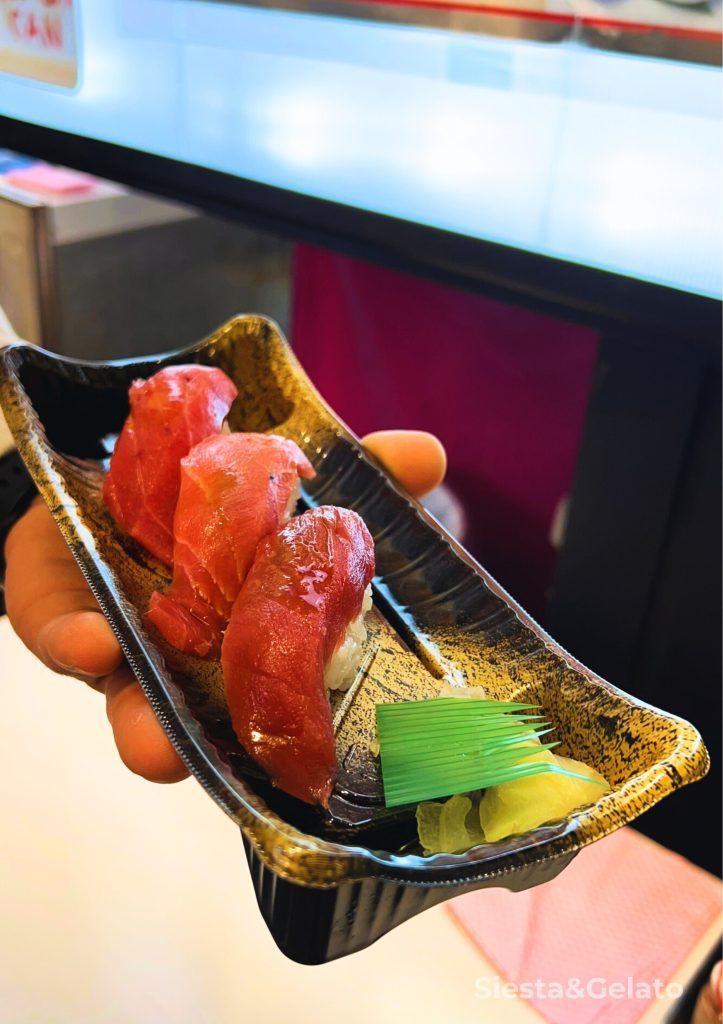
Tsukiji Market was once Tokyo’s famous wholesale fish market, but today, its Outer Market is a foodie paradise. While the inner market moved to Toyosu in 2018—where the famous tuna auction still happens every morning from 5:30 to 6:30 am—Tsukiji remains the go-to spot for incredible street food, fresh seafood, and local specialties like tamagoyaki (Japanese omelet) and grilled seafood skewers. It’s the perfect place for a traditional sushi breakfast or to try some other unique Japanese flavors!
Must-try spots:
🍣 Maguroya Kurogin – melt-in-your-mouth tuna sashimi
🥢 Tsukiji Yamacho – perfectly cooked tamagoyaki
🍣 Sushi Zanmai – the flagship of the popular chain, offering surprisingly high-quality sushi despite being a franchise
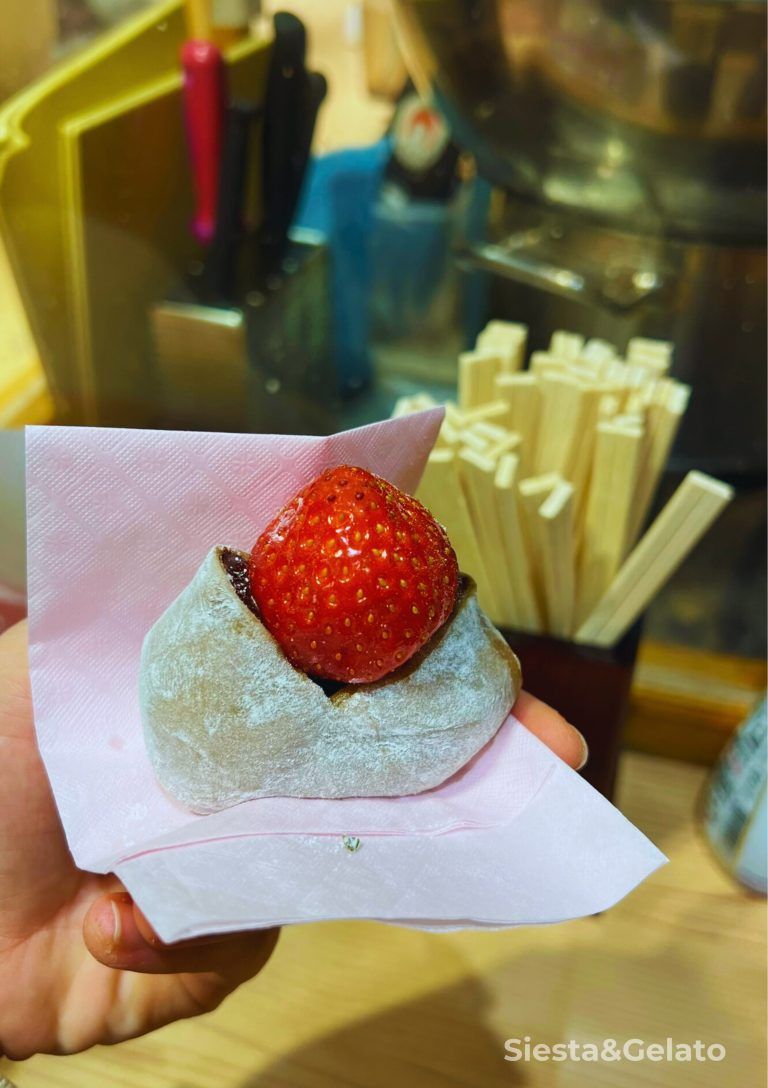
🍡 Tsukiji Solatsuki Sohonten – the perfect stop for daifuku, a soft, chewy mochi stuffed with sweet fillings—an ideal way to end your foodie adventure on a sweet note!
📅 Opening Hours
🕒 Varies by shop, typically 05:00 – 14:00
🚪 Closed
Sundays & national holidays (Some shops also close on certain Tuesdays/Wednesdays)
Arrive early to avoid crowds
Imperial palace
The Imperial Palace of Tokyo (Kōkyo) is home to Japan’s royal family and sits just a short walk from Tokyo Station. They built it on the former grounds of Edo Castle, which once housed the powerful Tokugawa shoguns.
While the original castle tower was destroyed in the 1600s, the Imperial Palace was completed in 1888. The palace itself isn’t generally open to the public, but guided tours of the palace grounds are available throughout the year (though no buildings are entered).
The guided tours last about 75 minutes.
How to Book the Imperial Palace Guided Tours
Booking your spot for a guided tour of the Imperial Palace is easy, and the best part—it’s free! Here’s how:
1 ) Advance Booking:
You can reserve your tour in advance through the Imperial Household Agency’s official website. Simply visit the booking page and follow the instructions.
2 ) Same-Day Registration:
If you’re feeling spontaneous, you can also register for the tour on the day at Kikyomon Gate before the tour starts. Just be sure to arrive early to secure your spot!
Important Info
Tours are held daily at 10:00 and 13:30, except on Mondays, Sundays, and national holidays.
Available in English and Japanese.
If you’d rather explore at your own pace, the beautiful East Gardens (Kōkyo Higashi Gyoen) are open daily, except Mondays, Fridays, and special occasions. It’s a great spot to unwind and take in a bit of Japan’s royal history—definitely worth a visit!
📅 Opening Hours for East Gardens
🕒 09:00 – 17:00 (March 1 to April 14 and all of September)
🕒 09:00 – 18:00 (April 15 through August)
🕒 09:00 – 16:30 (October)
🕒 09:00 – 16:00 (November through February)
Admission ends 30 minutes before closing.
🚪 Closed
Mondays, Fridays, New Year (December 28 to January 3) and some special occasions. If Monday or Friday is a national holiday, the gardens are closed on the following day instead.
🎟️ Admission Free
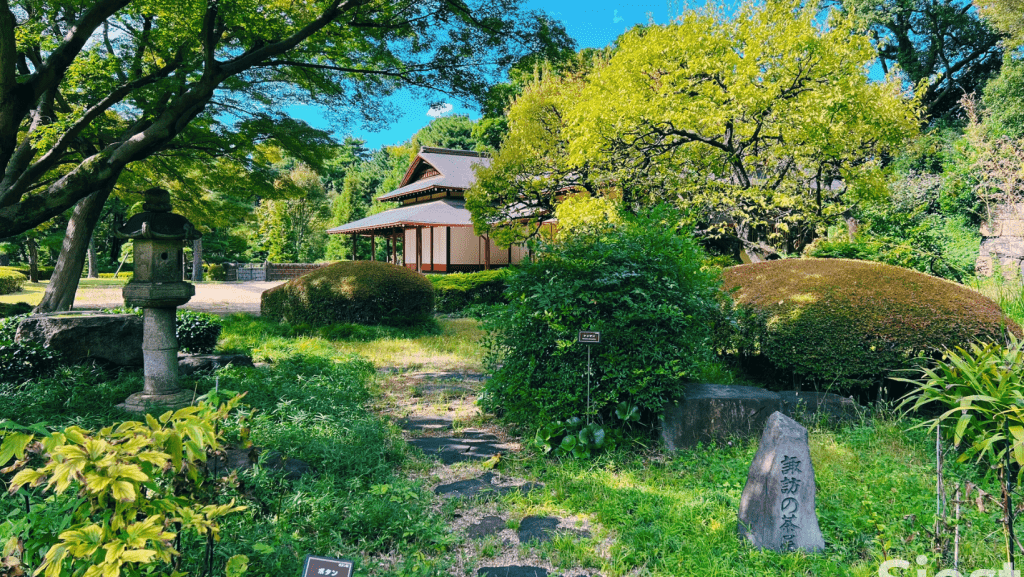

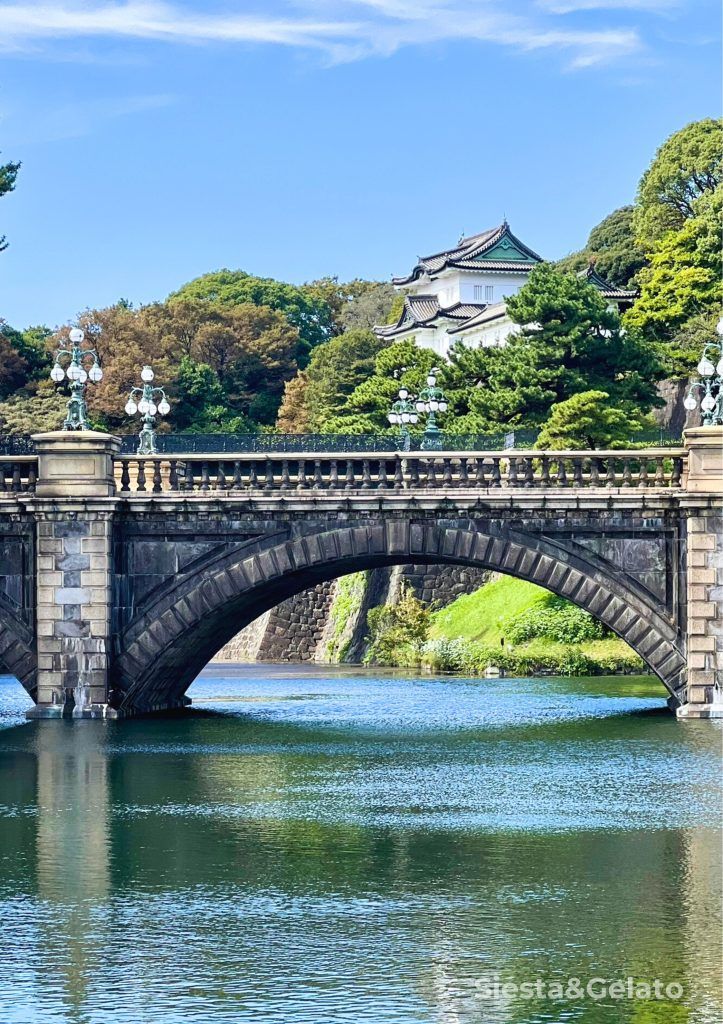
Tokyo is often seen as a buzzing metropolis full of technology, animation, and street fashion, but what we love is that the city still holds onto its traditional side, with hidden corners that give you a taste of Japan’s past.
Our next stop? Yanesen. For us, it was the perfect way to wrap up our 4 days in Tokyo—and honestly, probably our favourite part of the trip!
Yanesen
Yanesen is a mix of three neighborhoods: Yanaka, Nezu, and Sendagi, the name comes from the first syllable of each, and it perfectly captures the area’s old-school vibe.
Here you’ll find awesome traditional crafts, some made by artisans who’ve been passing down their skills for generations, it’s the kind of place where you can see people working with materials like bamboo, leather, and even turtle shell, just like in the past.
But it’s not all about crafts, Yanesen also has beautiful temples, great food, and the Yanaka Cemetery.
To explore Yanesen at its best, we suggest starting from the Tokyo National Museum and walking your way through Yanaka Ginza, stopping at a few points of interest along the way
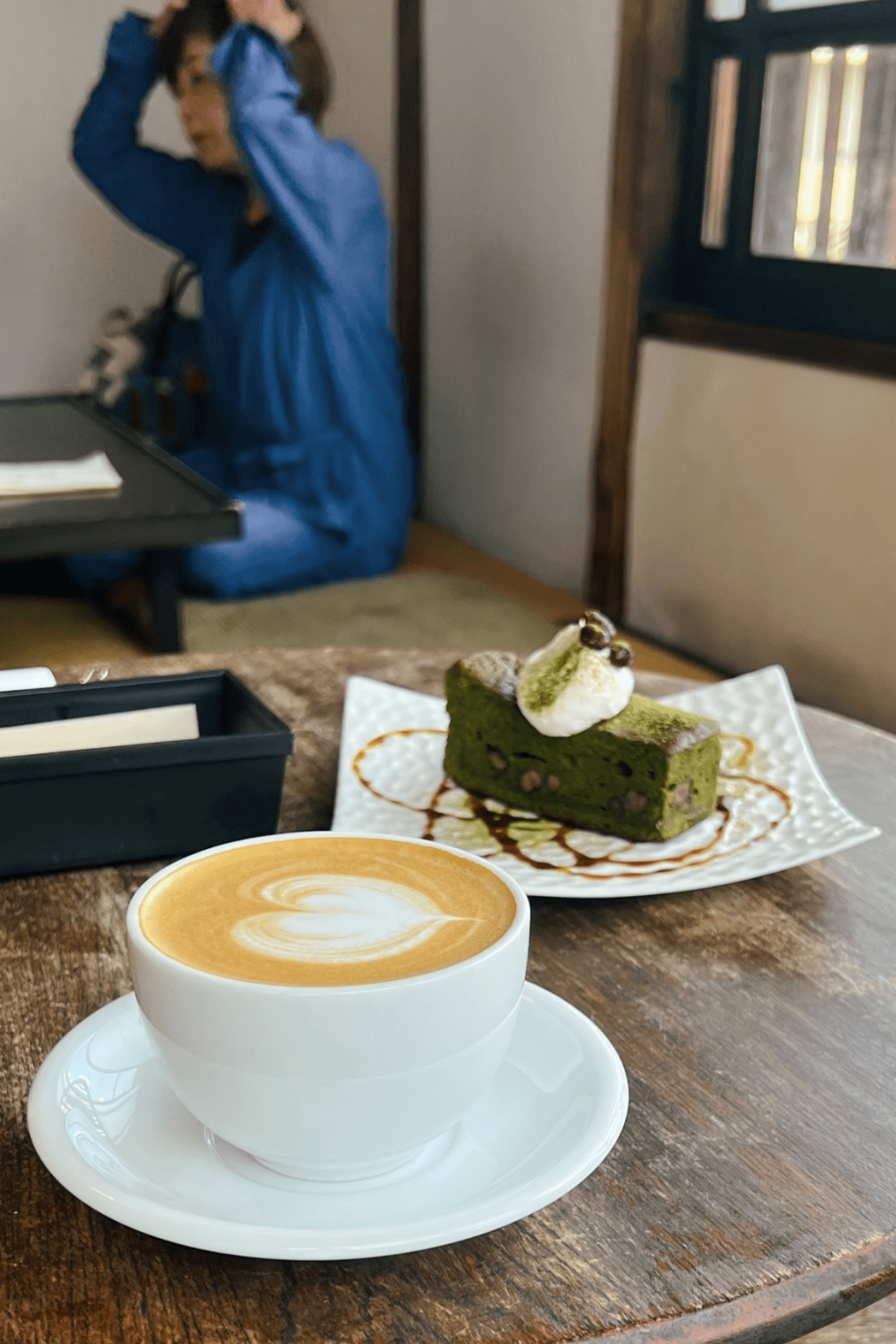
Kayaba Coffee – A historic café serving excellent coffee and Japanese-style breakfasts since 1938. With its warm wooden interiors and cozy atmosphere, it’s the perfect spot to slow down and take a break.

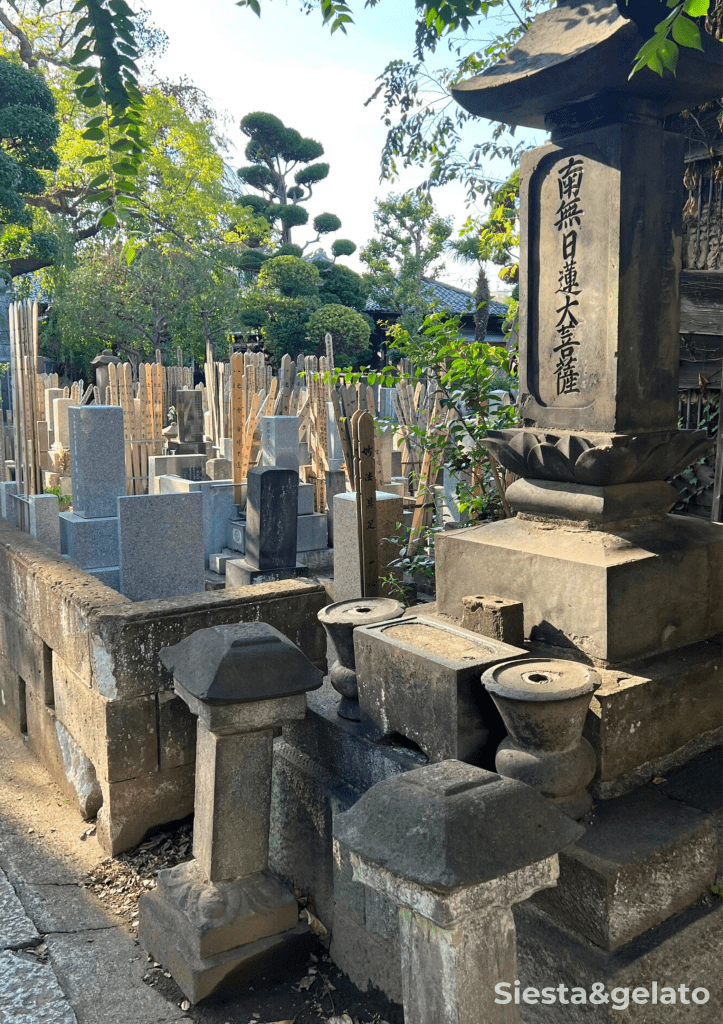
Enju-ji Temple – A peaceful hidden gem, tucked away from the crowds. Its beautifully crafted wooden gate and serene atmosphere make it a lovely place to pause and soak in the quiet.
Yanaka Cemetery – Dating back to 1695, this is one of Tokyo’s oldest cemeteries, with a calm, almost nostalgic vibe. You’ll find the graves of famous samurai, writers, and artists, adding a touch of history to the experience.
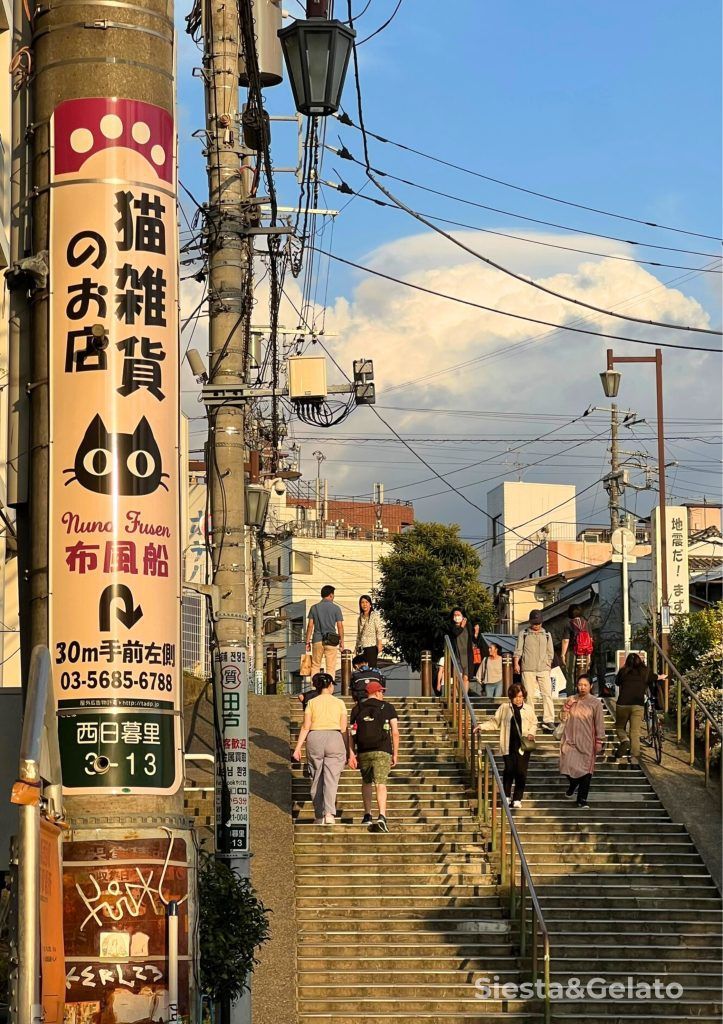
Before reaching Yanaka Ginza, you’ll pass through Yuyake Dandan—the “Sunset Stairs,” featured in the animated film Say My Name.
Yanaka Ginza – A charming mid-20th-century shopping street, packed with small artisan workshops, second-hand kimono and yukata shops, cozy tea houses, and street food stalls. You’ll also find mouthwatering bakeries and sake stores. It’s the perfect place to wander, explore, and soak in the nostalgic atmosphere.
 This walk through Yanesen has been one of our favorite experiences in Tokyo, it really gives you a sense of calm and tranquility.
Visit Tokyo: how to get around
Visiting Tokyo is incredibly easy if you know how to get around. Here, you’ll find all you have to know to move in this beautiful city.
Driving in Tokyo isn’t usually recommended due to heavy traffic, expensive tolls, and limited parking, as public transport is far more convenient.
🚇 Public transport in Tokyo can take you almost anywhere, but navigating it can be a bit overwhelming. With 285 stations and three different operators, it’s easy to get confused. The Tokyo Metro and Toei Subway run the subway system, while the JR Yamanote Line circles the city.
🔍 Tip: We found Google Maps to be the best app for getting around. It even tells you the exact exit number or name, which makes navigating massive stations like Shinjuku so much easier—just match the number on the app with the signs, and you’re good to go!
Just a heads-up—the JR Pass doesn’t cover metro or subway lines. But no stress! You can easily use a Suica or Pasmo card for the subway and then switch to your JR Pass when taking JR lines like the Yamanote Line.
To get around, you have two main payment options:
💳 IC Cards (Suica or Pasmo) – The most convenient option! Just tap in and out at the gates
🎟️ Single Tickets – Can be bought at machines, but less practical than IC cards.
You can get your Suica and Pasmo at the main JR and metro stations and other stations. Check here where to purchase your Suica Card.
These cards are interoperable, meaning a Suica bought in Tokyo can be used in other cities like Kyoto or Osaka. Any area where you see the below sign including street vending machines can be used with your card.

🔍 Tip: If you have an iPhone, you can easily add Suica, Pasmo, or ICOCA directly to your Wallet app. However, for Android users, it works a bit differently. Only Android phones purchased in Japan support these cards digitally. If you have an Android phone that wasn’t bought in Japan, you’ll need to use a physical card.